
DbcultAccessing Vault...
Director's Spotlight
Senior Film Conservator
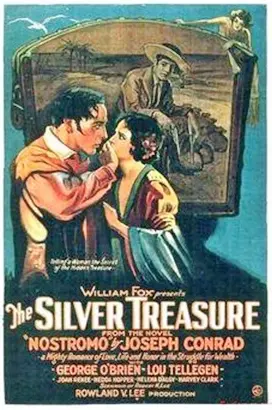
Director's Spotlight: United States
A Deep Dive into the 1926 Vision of Rowland V. Lee
The thematic gravity of The Silver Treasure (1926) is rooted in the historical context that Rowland V. Lee weaves into the Action fabric. Synthesizing the best elements of United States and international cinema, it highlights the importance of independent voices in United States.
In The Silver Treasure, Rowland V. Lee pushes the boundaries of conventional narrative. The film's unique approach to its subject matter has sparked endless debates and interpretations among cinephiles and critics alike.
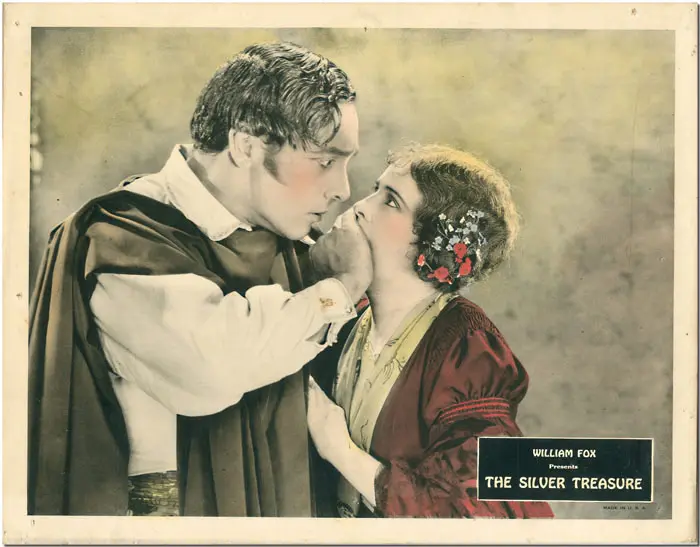
While deeply rooted in United States, The Silver Treasure has achieved a global reach, influencing directors from various backgrounds. Its ability to translate Action tropes into a universal cinematic language is why it remains a cult staple decades after its 1926 release.
| Cinematography | Static |
| Soundtrack | Diegetic |
| Editing | Rhythmic |
| Art Direction | Naturalist |
Visualizing the convergence of Rowland V. Lee's style and the core Action narrative.
Nostromo is the foreman of longshoremen in a South American Republic, and they are to load the cargo of silver that is to come from the San Tome mine. Sotillo and his band gang are plotting to steal the silver, but the fore-warned Nostromo has a plan to outwit them. He meets the silver train far up the road and has the shipment transferred to a big wagon, sending it via side-streets to the wharf. He and his men stay with the train and fight of the bandits. Back at the wharf, Nostromo thinks about claiming the silver was lost in the battle and taking it for himself. He and his conscience struggles mightily.
Decades after its release, The Silver Treasure remains a vital piece of the cinematic puzzle. Its influence can be seen in countless modern works, solidifying Rowland V. Lee's status as a master of the craft in United States and beyond.