
DbcultAccessing Vault...
Director's Spotlight
Senior Film Conservator
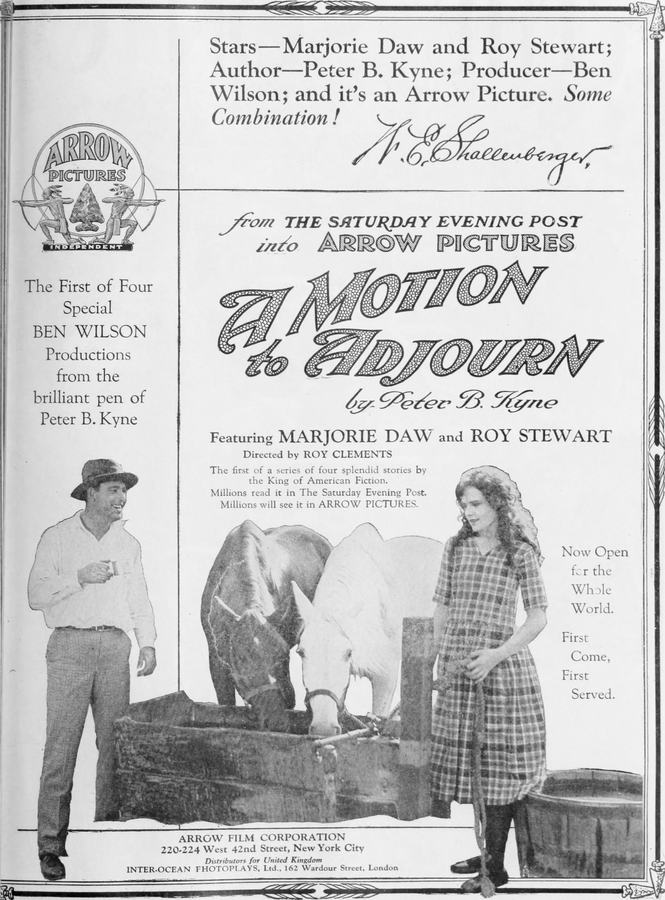
Director's Spotlight: United States
A Deep Dive into the 1921 Vision of Roy Clements
The 1921 release of A Motion to Adjourn marked a significant moment for the enduring legacy of Roy Clements's artistic contribution to the genre. By challenging the status quo of 1921 cinema, it has cemented its place in the global cult cinema archive.
In A Motion to Adjourn, Roy Clements pushes the boundaries of conventional narrative. The film's unique approach to its subject matter has sparked endless debates and interpretations among cinephiles and critics alike.
To fully appreciate A Motion to Adjourn, one must consider the cinematic climate of 1921. During this period, United States was undergoing significant artistic shifts, and Roy Clements was at the forefront of this Drama movement, often challenging established norms.
| Cinematography | Handheld |
| Soundtrack | Minimalist |
| Editing | Disjunctive |
| Art Direction | Baroque |
Visualizing the convergence of Roy Clements's style and the core Drama narrative.
Silas Warner, Jr., playboy son of a wealthy New York broker, is disinherited and sent from home by his father when he assumes the blame for a near-theft committed by his brother, Archie. In a western mining community, he is inducted into the "Ornery and Worthless Men of the World," a fraternity of fortune seekers, and a compromising situation forces him to marry Sally Bleeker. Sally is sent away to finishing school when her father dies; there she meets Louise, Silas' sister; and the girls become pals. While visiting the Warner home, Sally recognizes Silas, Jr.'s, picture, and when her miner-guardians come to New York to bring her home, there is a final meeting of the order and a happy reconciliation of Silas with his family.
Decades after its release, A Motion to Adjourn remains a vital piece of the cinematic puzzle. Its influence can be seen in countless modern works, solidifying Roy Clements's status as a master of the craft in United States and beyond.