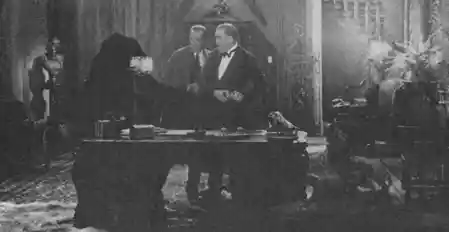
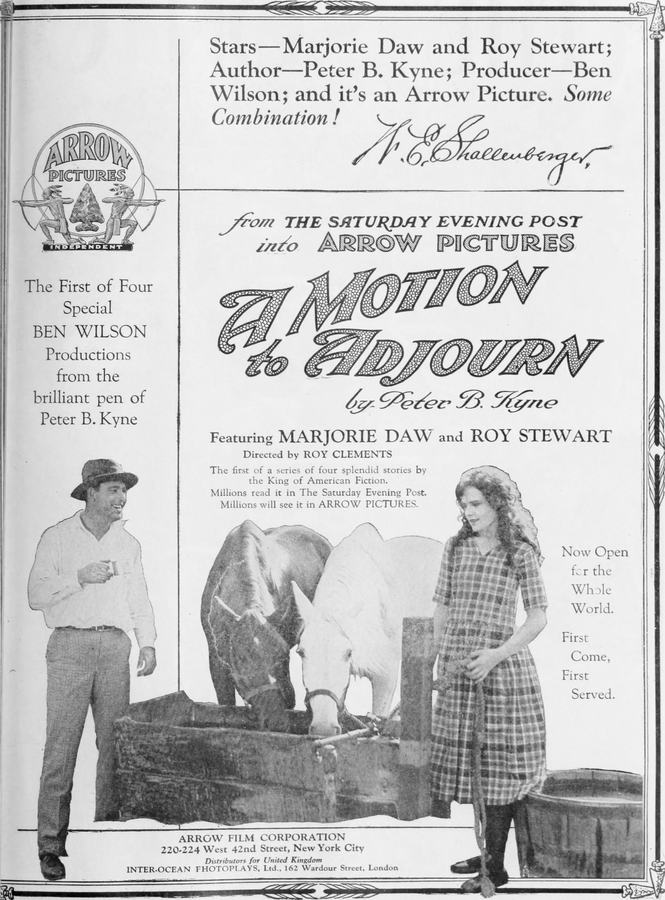
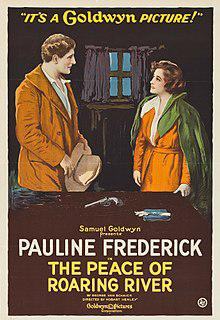
Silas Warner, Jr., playboy son of a wealthy New York broker, is disinherited and sent from home by his father when he assumes the blame for a near-theft committed by his brother, Archie.

h2 {color:#C2410C; font-size:24px; margin-top:30px; margin-bottom:15px;} p {color:white; font-size:16px; margin-bottom:20px;} a {color:#EAB308; text-decoration:none; font-weight:bold;} .highlight {background:#0E7490; color:white; padding:2px 5px; border-radius:4px;} Disgrace and Exile: The Fall of Silas Warner, Jr. *...
Comparing the cinematic DNA and archive impact of two defining moments in cult history.
Roy Clements
Roy Clements
Community
Log in to comment.
"h2 {color:#C2410C; font-size:24px; margin-top:30px; margin-bottom:15px;} p {color:white; font-size:16px; margin-bottom:20px;} a {color:#EAB308; text-decoration:none; font-weight:bold;} .highlight {background:#0E7490; color:white; padding:2px 5px; border-radius:4px;} Disgrace and Exile: The Fall of Silas Warner, Jr. *A Stitch in Time and *A Motion to Adjourn* both grapple with the tension between inherited privilege and moral agency, but where the former leans into melodrama, the latter adopts ..."
Roy Clements, Peter B. Kyne
United States

Deep dive into the cult classic
Discover similar cinematic experiences
A Directorial Spotlight on Roy Clements