
DbcultAccessing Vault...
Director's Spotlight
Senior Film Conservator
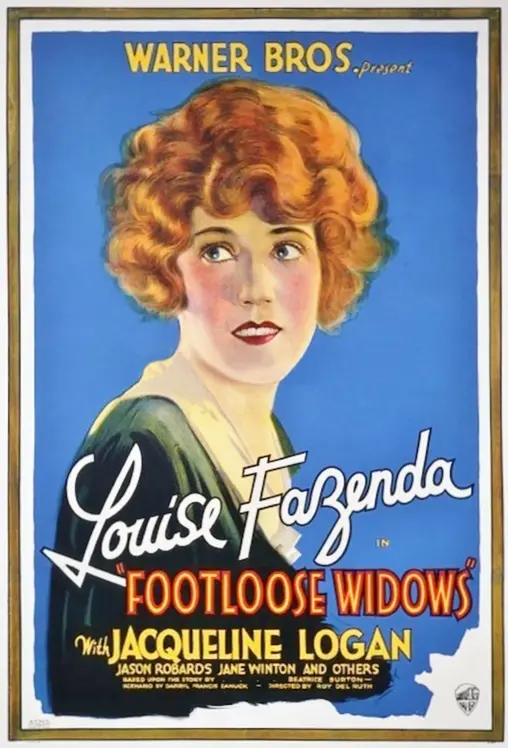
Director's Spotlight: United States
A Deep Dive into the 1926 Vision of Roy Del Ruth
Analyzing Footloose Widows (1926) requires a deep dive into the defining moment in Comedy history that Roy Del Ruth helped create. Defining a new era of United States artistic expression, it transcends regional boundaries to tell a universal story.
In Footloose Widows, Roy Del Ruth pushes the boundaries of conventional narrative. The film's unique approach to its subject matter has sparked endless debates and interpretations among cinephiles and critics alike.
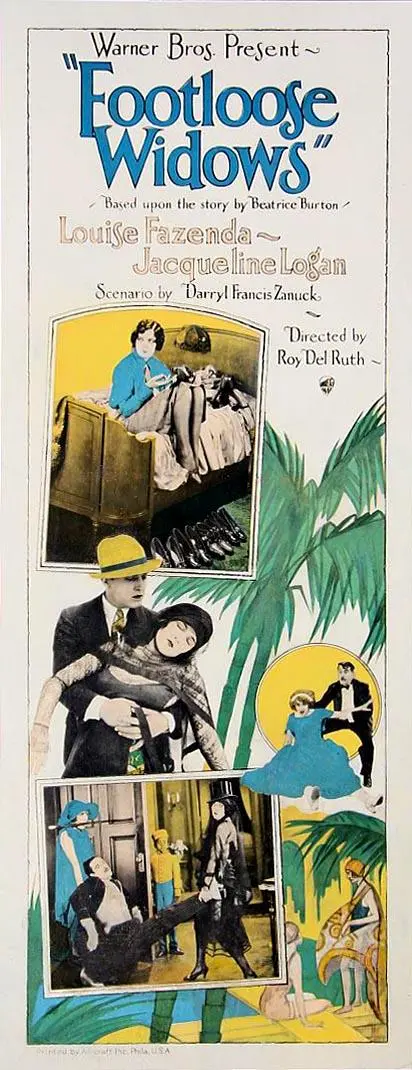
While deeply rooted in United States, Footloose Widows has achieved a global reach, influencing directors from various backgrounds. Its ability to translate Comedy tropes into a universal cinematic language is why it remains a cult staple decades after its 1926 release.
| Cinematography | High-Contrast |
| Soundtrack | Orchestral |
| Editing | Invisible |
| Art Direction | Kitsch |
Visualizing the convergence of Roy Del Ruth's style and the core Comedy narrative.
New York models Flo and Marian entice their employer to give them each a fine wardrobe for a party, then slip off to Florida and install themselves in a luxury hotel, posing as two wealthy widows. While Flo captures the fancy of "The Senator," a solid citizen, she has Marian plot to ensnare a Mr. Smith, supposedly a millionaire, but Marian accidentally meets Jerry, a personable and charming young man (actually Mr. Smith) and falls in love with him. Under pressure from Flo, Marian finally accepts Smith's ardent proposal of marriage, each supposing the other to be wealthy; but Dunn, the girls' employer, arrives and has them arrested. Jerry, disillusioned, pays their hotel bills; Marian returns his gift of $1,000 and declares her love for him. The two are married, and Flo continues her interrupted courtship with "The Senator."
Decades after its release, Footloose Widows remains a vital piece of the cinematic puzzle. Its influence can be seen in countless modern works, solidifying Roy Del Ruth's status as a master of the craft in United States and beyond.