
DbcultAccessing Vault...
Director's Spotlight
Senior Film Conservator
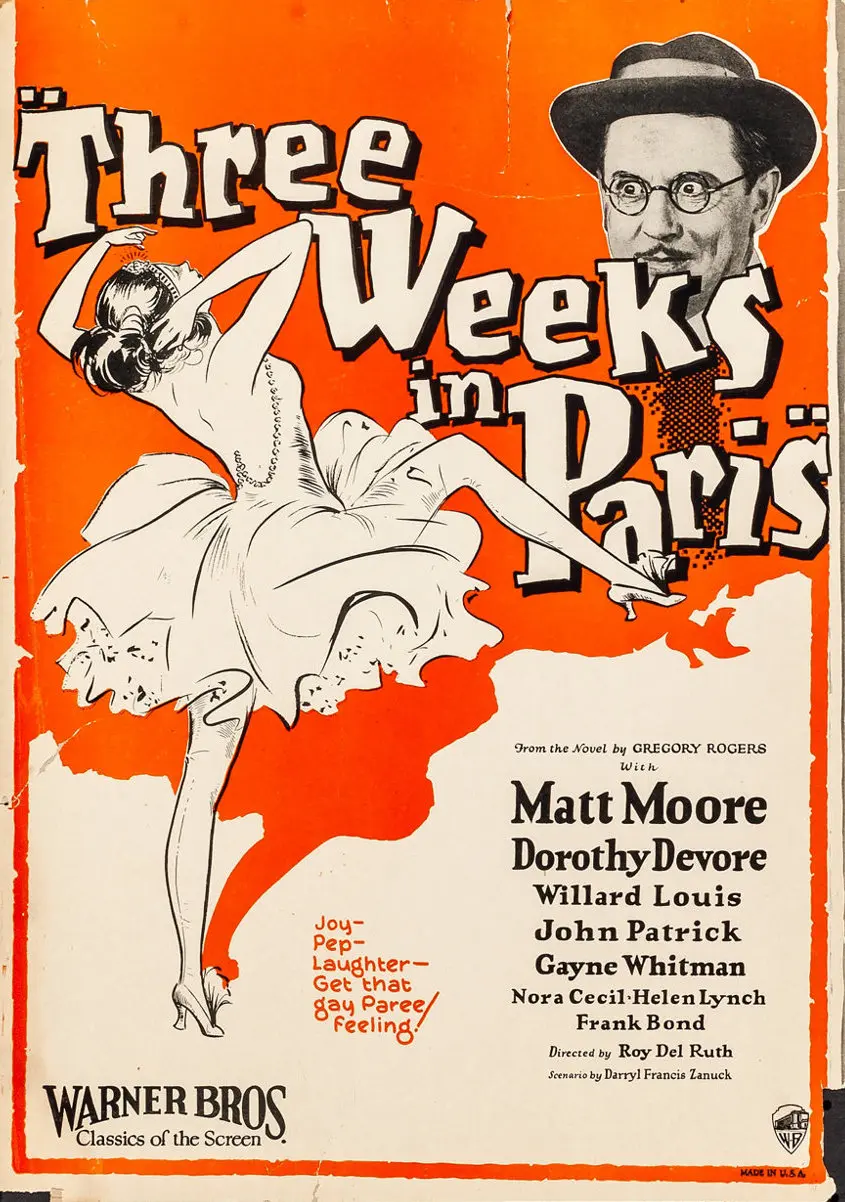
Director's Spotlight: United States
A Deep Dive into the 1925 Vision of Roy Del Ruth
The enduring fascination with Three Weeks in Paris is a testament to the defining moment in Comedy history that Roy Del Ruth helped create. This film stands as a masterclass in visual storytelling, it has cemented its place in the global cult cinema archive.
In Three Weeks in Paris, Roy Del Ruth pushes the boundaries of conventional narrative. The film's unique approach to its subject matter has sparked endless debates and interpretations among cinephiles and critics alike.
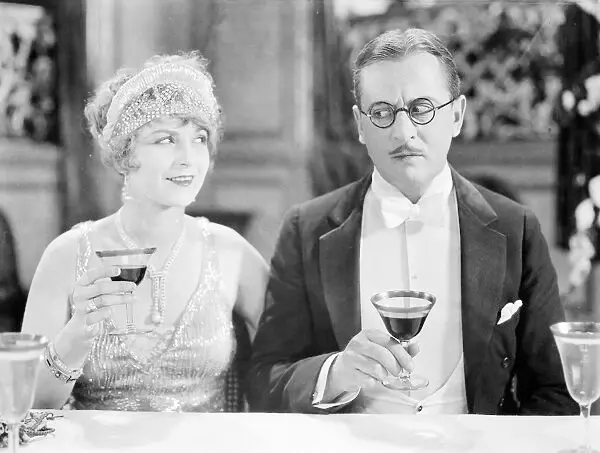
The visual language of Three Weeks in Paris is defined by its use of shadows and framing, a hallmark of Roy Del Ruth's style. By utilizing a 1925-era palette, the film creates an immersive experience that perfectly complements its Comedy themes.
| Cinematography | Handheld |
| Soundtrack | Experimental |
| Editing | Invisible |
| Art Direction | Kitsch |
Visualizing the convergence of Roy Del Ruth's style and the core Comedy narrative.
In spite of dire predictions from her mother, Mary Brown marries Oswald Bates, an energetic young businessman. He then is forced to go to Paris alone on their wedding night. Haunted by thoughts of his neglected bride, Oswald seeks to drown his sorrow in Parisian night life. Flirting with Dolly Withers, an American, Oswald is challenged to a duel by Duke Laporte. Through the ineptness of his friend, Gus Billikins, he is jailed; the steamer on which he was to have returned home sinks in mid-Atlantic; and he is declared dead. Posing as a count (with Dolly Withers as his countess), Oswald returns to the United States and obtains a position as a cook for Mary's mother. When he learns that Mary is to marry Bruce Gordon, Oswald reveals his true identity. He and Mary are reconciled, and Dolly discovers that Bruce is her long-lost husband. It all turns out to have been a daydream, however, for Mary and Oswald actually are uneventfully wed.
Decades after its release, Three Weeks in Paris remains a vital piece of the cinematic puzzle. Its influence can be seen in countless modern works, solidifying Roy Del Ruth's status as a master of the craft in United States and beyond.