
DbcultAccessing Vault...
Director's Spotlight
Senior Film Conservator
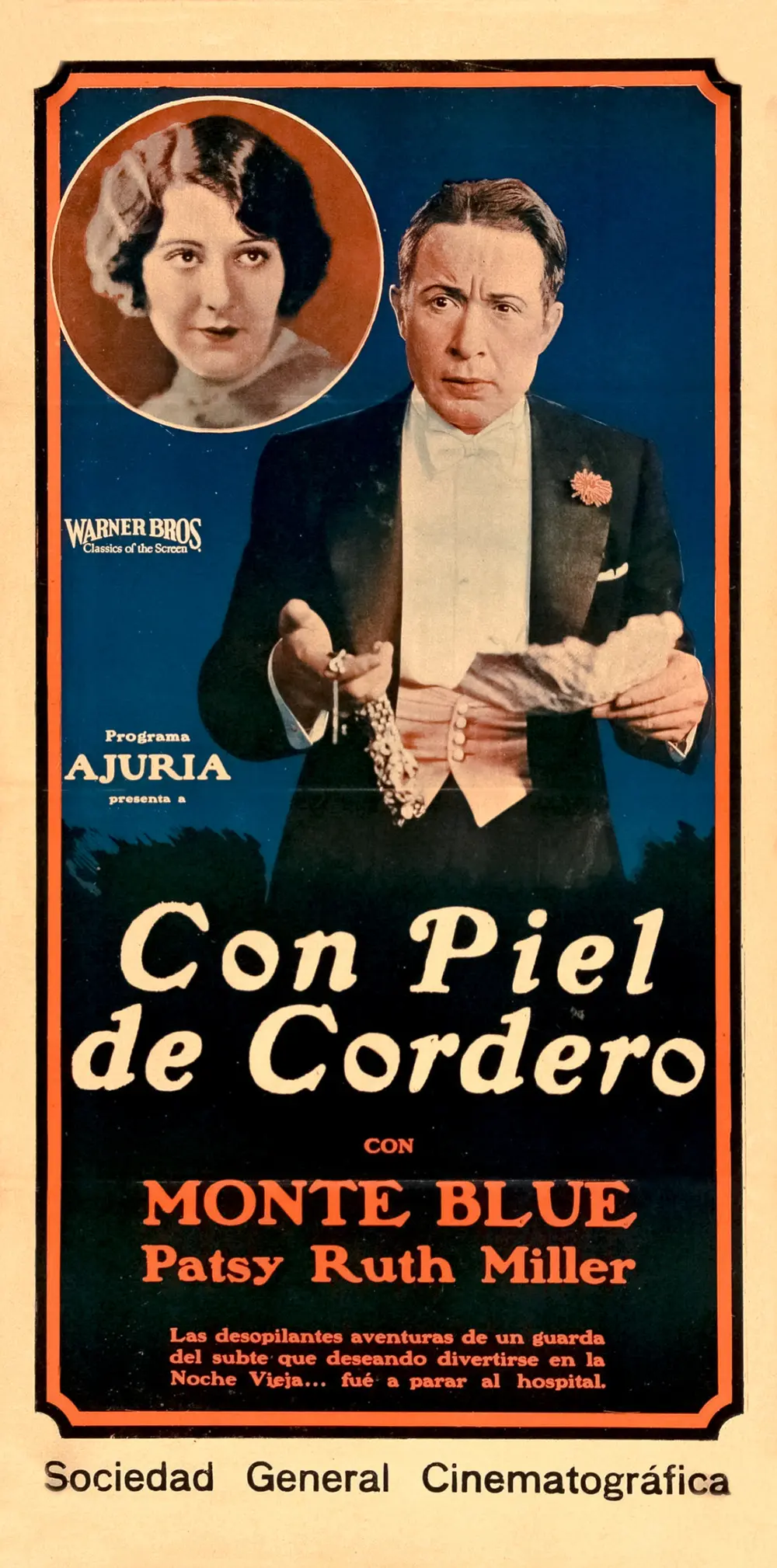
Director's Spotlight: United States
A Deep Dive into the 1927 Vision of Roy Del Ruth
The Family DNA of Wolf's Clothing is a reflection of United States's the subversive storytelling techniques employed by Roy Del Ruth in 1927. Breaking the traditional rules of Family engagement, it leaves an indelible mark on the soul of the viewer.
In Wolf's Clothing, Roy Del Ruth pushes the boundaries of conventional narrative. The film's unique approach to its subject matter has sparked endless debates and interpretations among cinephiles and critics alike.
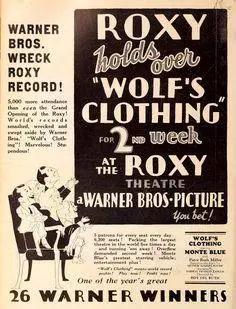
The visual language of Wolf's Clothing is defined by its use of shadows and framing, a hallmark of Roy Del Ruth's style. By utilizing a 1927-era palette, the film creates an immersive experience that perfectly complements its Family themes.
| Cinematography | Static |
| Soundtrack | Diegetic |
| Editing | Elliptical |
| Art Direction | Expressionist |
Visualizing the convergence of Roy Del Ruth's style and the core Family narrative.
Barry Baline, a guard at a subway station, has worked at his job for six years without a day off. One New Year's Eve he's told that he won't be needed until the next morning, so he decides to go out for a night on the town. As it turns out, however, his "celebrating" is short-lived--he is knocked down by a large, luxurious car driven by a man wearing expensive evening clothes. Complications ensue.
Decades after its release, Wolf's Clothing remains a vital piece of the cinematic puzzle. Its influence can be seen in countless modern works, solidifying Roy Del Ruth's status as a master of the craft in United States and beyond.