
DbcultAccessing Vault...
Director's Spotlight
Senior Film Conservator
Director's Spotlight: United States
A Deep Dive into the 1919 Vision of Roy William Neill
Analyzing Charge It to Me (1919) requires a deep dive into the unique directorial voice that Roy William Neill brought to the screen. By challenging the status quo of 1919 cinema, it continues to spark endless debates among critics and cinephiles alike.
In Charge It to Me, Roy William Neill pushes the boundaries of conventional narrative. The film's unique approach to its subject matter has sparked endless debates and interpretations among cinephiles and critics alike.
To fully appreciate Charge It to Me, one must consider the cinematic climate of 1919. During this period, United States was undergoing significant artistic shifts, and Roy William Neill was at the forefront of this cult movement, often challenging established norms.
| Cinematography | Static |
| Soundtrack | Diegetic |
| Editing | Elliptical |
| Art Direction | Expressionist |
Visualizing the convergence of Roy William Neill's style and the core cult narrative.
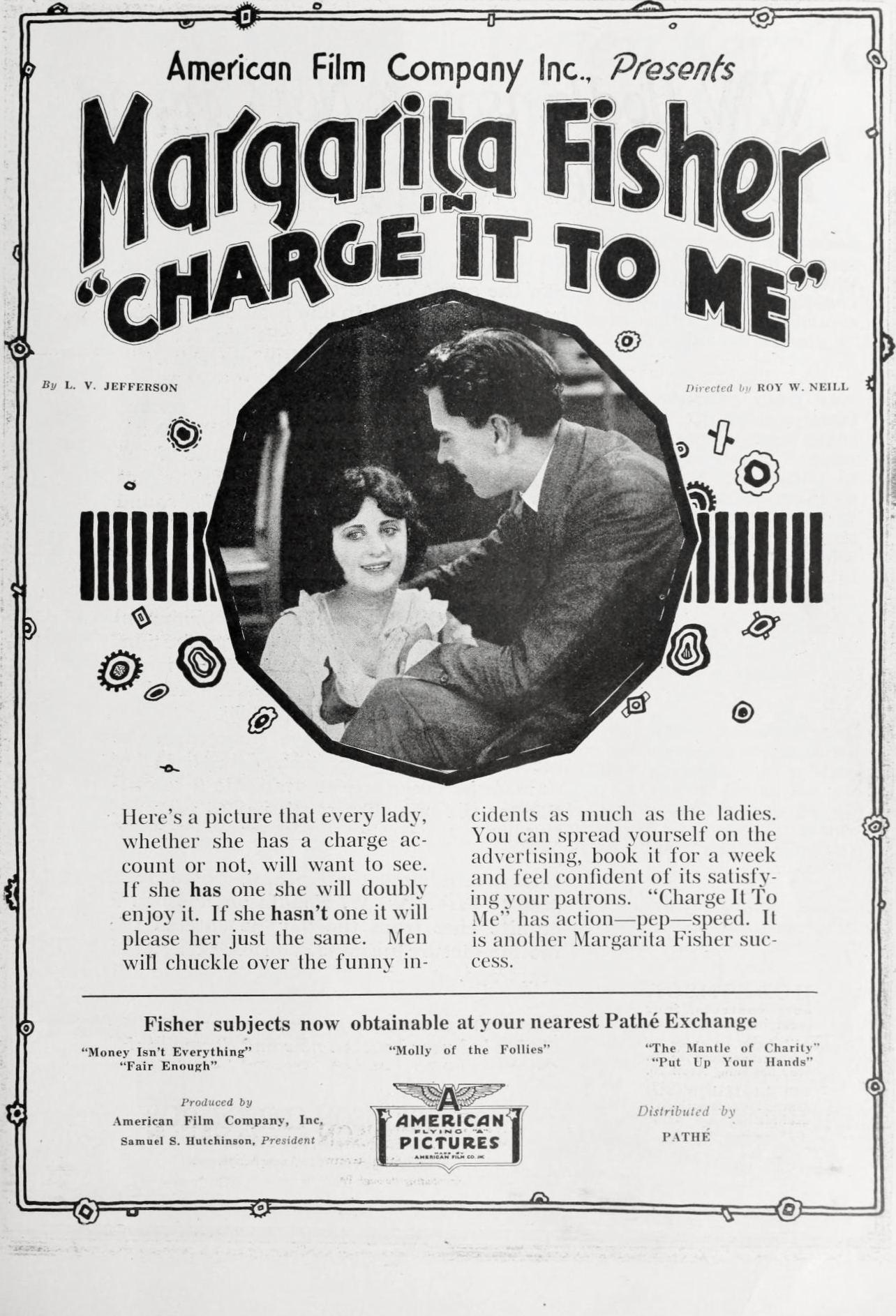
New bride Winnie Davis wants to buy her husband Elmer a birthday present, but she can't because he insists that all household expenses be charged to him, and she doesn't want him finding out what she's buying him. She decides to make money by using the family car as a taxi, puts on a "chauferette" uniform and soon is attracting many new customers--mostly male. Matters become more complicated when a jealous former suitor of Winnie tries to ruin her husband by putting financial pressure on Elmer so Winnie will come back to him..
Decades after its release, Charge It to Me remains a vital piece of the cinematic puzzle. Its influence can be seen in countless modern works, solidifying Roy William Neill's status as a master of the craft in United States and beyond.