
DbcultAccessing Vault...
Director's Spotlight
Senior Film Conservator
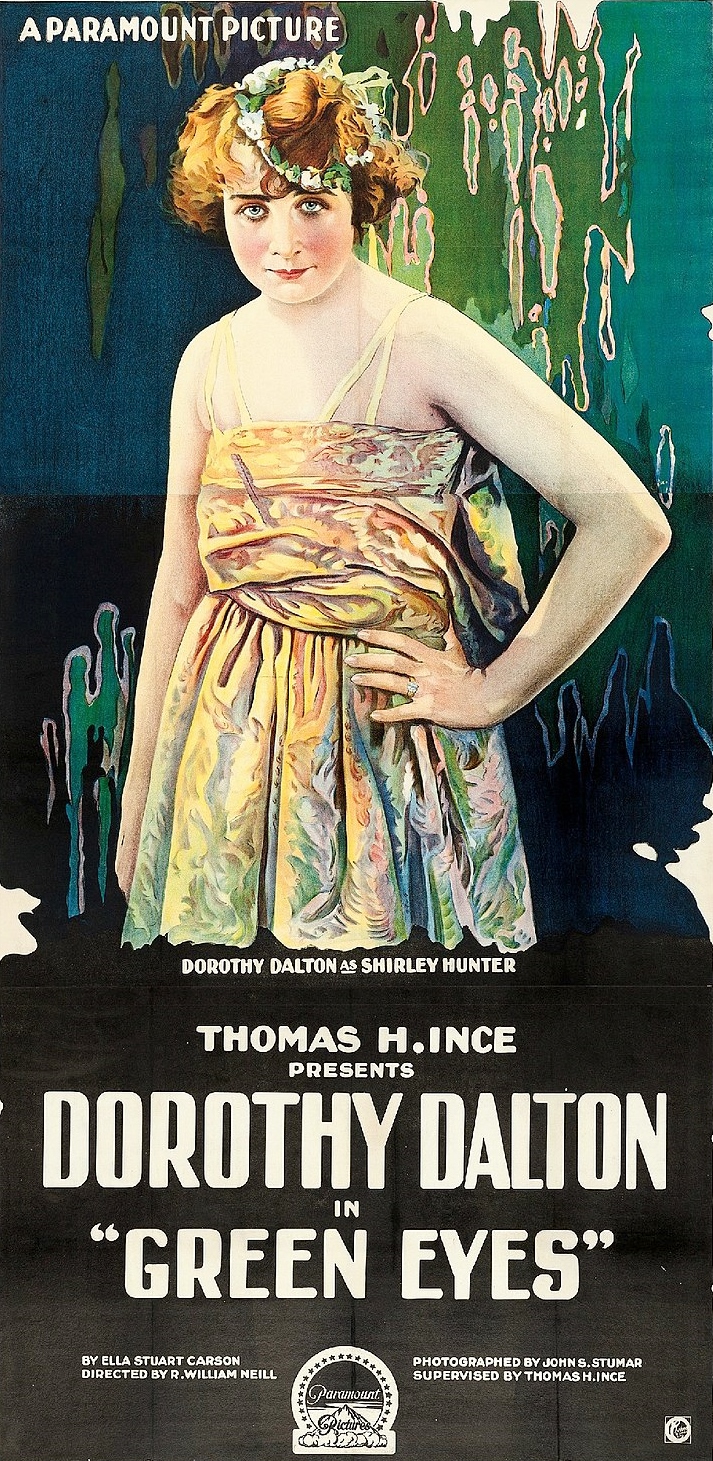
Director's Spotlight: United States
A Deep Dive into the 1918 Vision of Roy William Neill
Few works in United States cinema carry the same weight as Green Eyes, especially regarding the cultural zeitgeist captured so perfectly by Roy William Neill in 1918. Utilizing a 1918-specific aesthetic that remains timeless, it serves as a blueprint for future generations of cult directors.
In Green Eyes, Roy William Neill pushes the boundaries of conventional narrative. The film's unique approach to its subject matter has sparked endless debates and interpretations among cinephiles and critics alike.
The visual language of Green Eyes is defined by its use of shadows and framing, a hallmark of Roy William Neill's style. By utilizing a 1918-era palette, the film creates an immersive experience that perfectly complements its cult themes.
| Cinematography | Handheld |
| Soundtrack | Orchestral |
| Editing | Slow-Burn |
| Art Direction | Brutalist |
Visualizing the convergence of Roy William Neill's style and the core cult narrative.
Pearson Hunter, a jealous Southern plantation owner, returns home with his new wife Shirley, a Northerner. Shirley's socializing enrages Pearson when he finds her in the company of Alexander Chapman, a drunken wastrel, but after a bitter quarrel, they reconcile. Pearson's younger brother Morgan soon arrives accompanied by his fiancée, Margery Gibson. Shirley befriends Morgan, creating jealousy in Margery, who goes to Pearson for consolation and advice, but instead rekindles Pearson's own jealousy. Later, at a dance in the Hunter home, Chapman reappears uninvited. Morgan, aware of the situation, removes Chapman to the garden where the latter says insulting things about Shirley. Morgan knocks Chapman out, then returns to the house just as Jim Webb, a poor man with consumption enters the garden. Upon seeing Chapman, Webb kills him in revenge of a past conflict, but when a servant discovers the body, Morgan assumes that he is guilty and seeks council from Shirley. Pearson breaks in on them and, assuming a romance between them, despondently goes to the garden where he overhears Webb's confession, which results in a reconciliation among all the parties.
Decades after its release, Green Eyes remains a vital piece of the cinematic puzzle. Its influence can be seen in countless modern works, solidifying Roy William Neill's status as a master of the craft in United States and beyond.