
DbcultAccessing Vault...
Director's Spotlight
Senior Film Conservator
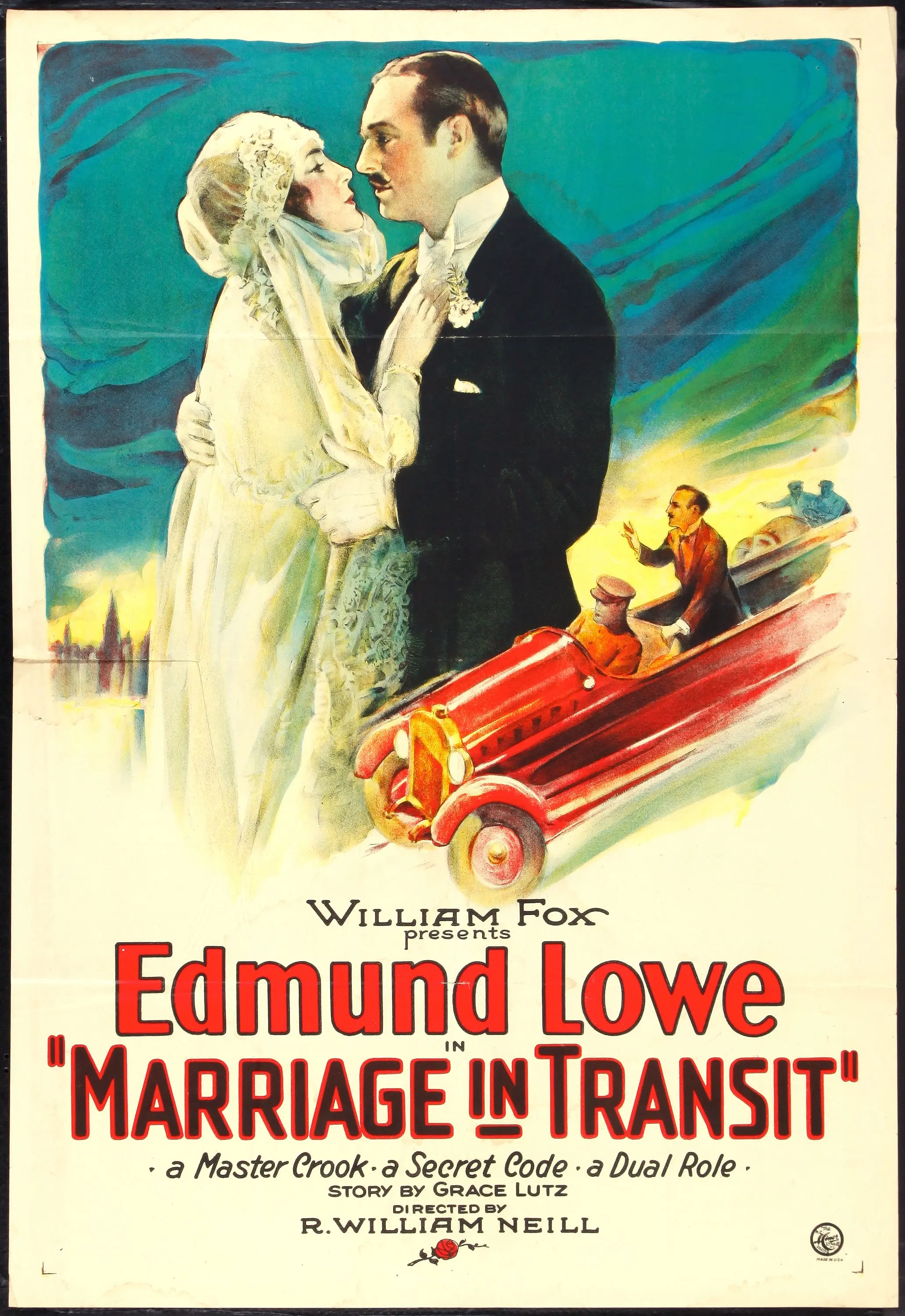
Director's Spotlight: United States
A Deep Dive into the 1925 Vision of Roy William Neill
Deciphering the layers of Marriage in Transit (1925) reveals a monumental shift in Crime filmmaking spearheaded by Roy William Neill. With its avant-garde structure and atmospheric tension, offering layers of thematic complexity that demand repeated viewing.
In Marriage in Transit, Roy William Neill pushes the boundaries of conventional narrative. The film's unique approach to its subject matter has sparked endless debates and interpretations among cinephiles and critics alike.
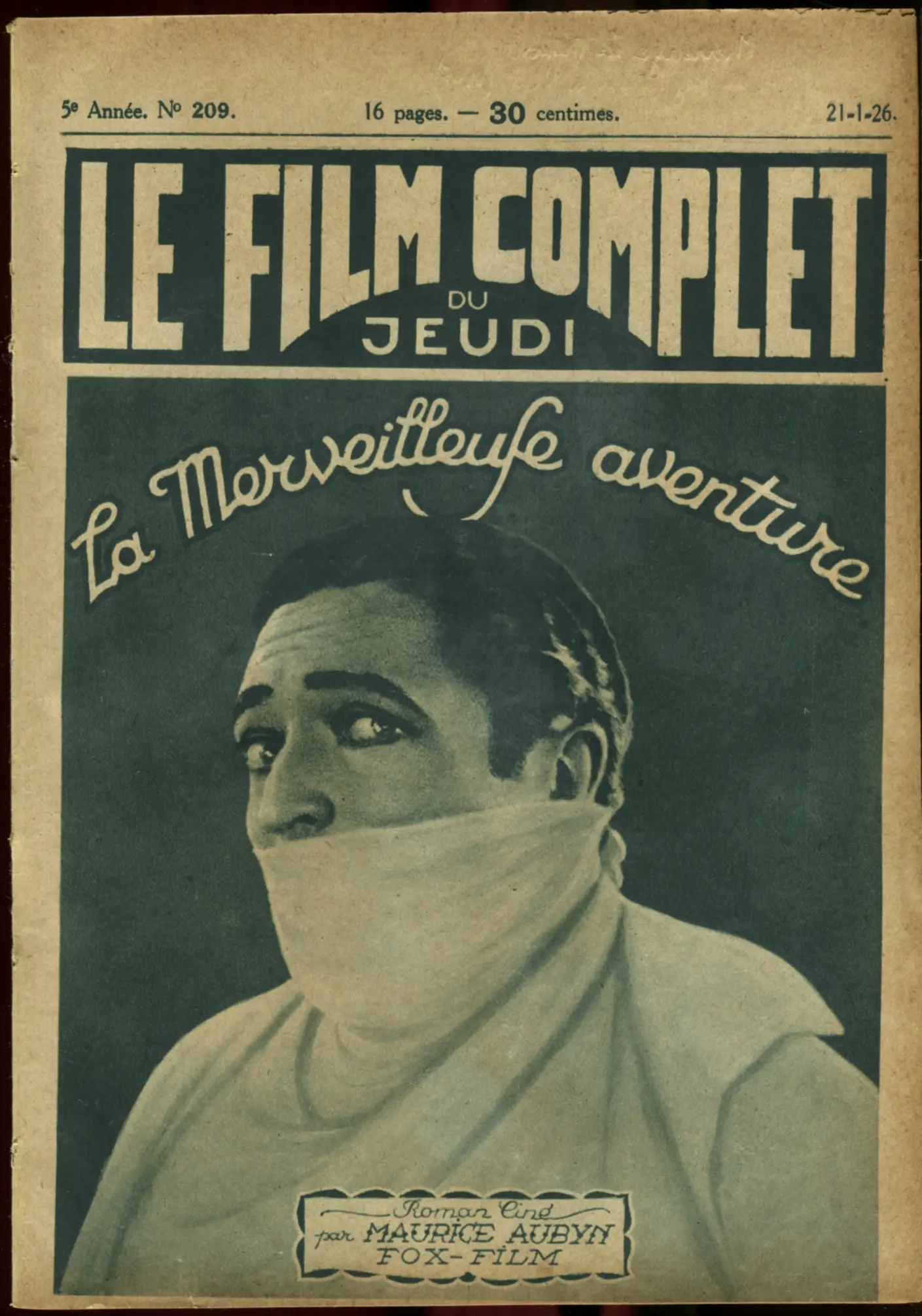
In this work, Roy William Neill explores the intersection of Crime and United States cultural identity. The meticulous attention to detail suggests a deep-seated commitment to pushing the boundaries of the medium, ensuring that Marriage in Transit remains a relevant topic of study for Crime enthusiasts.
| Cinematography | Static |
| Soundtrack | Diegetic |
| Editing | Rhythmic |
| Art Direction | Naturalist |
Visualizing the convergence of Roy William Neill's style and the core Crime narrative.
A gang of crooks led by Holden steals a government code, and Cyril Gordon, a Secret Service agent who bears a strong resemblance to the gang leader, is assigned to recover the stolen documents. Cyril successfully impersonates Holden and recovers the papers. He also gets himself a bride when, in the name of Holden, he marries Celia, a beautiful young woman who was about to sacrifice herself in matrimony to the gangster. Cyril discloses his identity to the girl, and they journey together to Washington, where Cyril reports to his superiors. Holden catches up with the newlyweds and traps them in a hotel room, but Cyril outfights Holden and escapes with his new wife. The gang is broken up, and Celia announces to Cyril that she would be honored to continue as his wife.
Decades after its release, Marriage in Transit remains a vital piece of the cinematic puzzle. Its influence can be seen in countless modern works, solidifying Roy William Neill's status as a master of the craft in United States and beyond.