
DbcultAccessing Vault...
Director's Spotlight
Senior Film Conservator
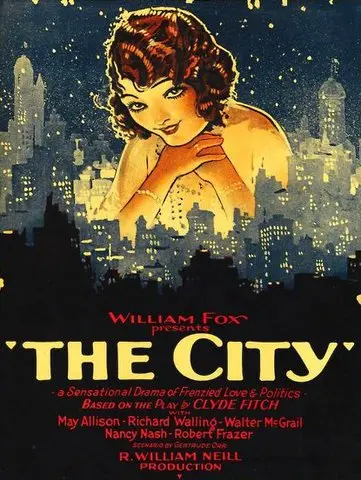
Director's Spotlight: United States
A Deep Dive into the 1926 Vision of Roy William Neill
Under the meticulous guidance of Roy William Neill, The City became the cultural zeitgeist captured so perfectly by Roy William Neill in 1926. Driven by an uncompromising commitment to Drama excellence, it remains a vital reference point for anyone studying the evolution of Roy William Neill.
In The City, Roy William Neill pushes the boundaries of conventional narrative. The film's unique approach to its subject matter has sparked endless debates and interpretations among cinephiles and critics alike.
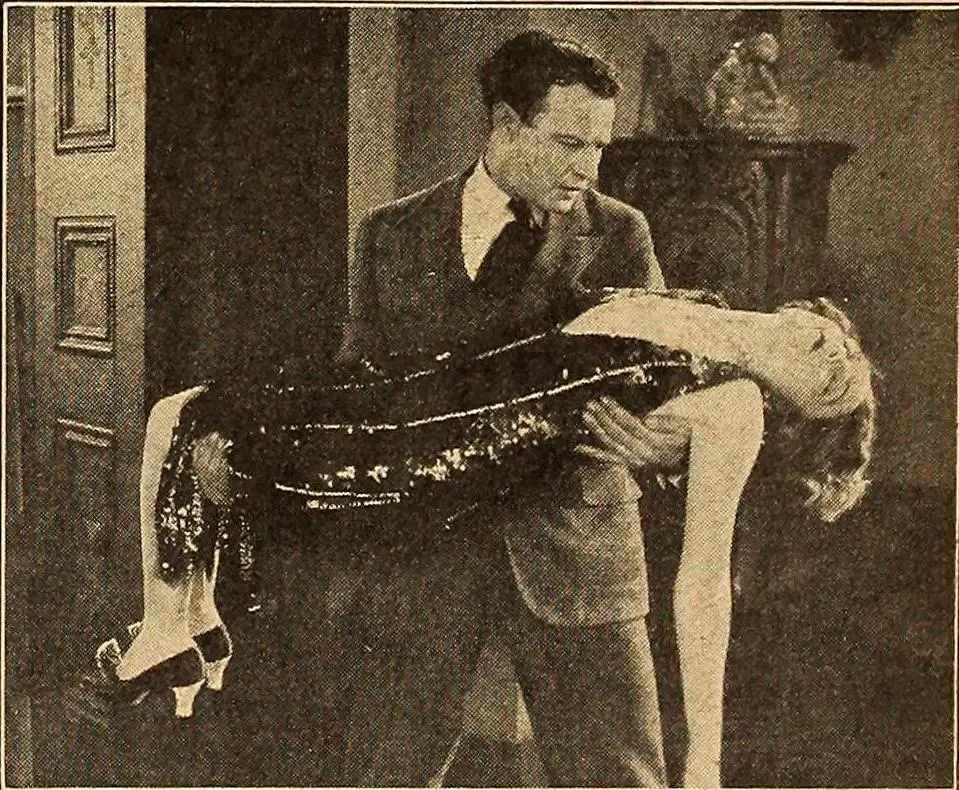
While deeply rooted in United States, The City has achieved a global reach, influencing directors from various backgrounds. Its ability to translate Drama tropes into a universal cinematic language is why it remains a cult staple decades after its 1926 release.
| Cinematography | High-Contrast |
| Soundtrack | Orchestral |
| Editing | Slow-Burn |
| Art Direction | Brutalist |
Visualizing the convergence of Roy William Neill's style and the core Drama narrative.
Following the death of Rand, a wealthy reformed criminal, his family moves to the city, and Rand, Jr., becomes a candidate for mayor. Mrs. Rand neglects her family to pursue social ambitions, and Hannock, a dope fiend, dupes Cicely into a marriage. Hannock, who has caused the death of Rand, Sr., and knows of his past, blackmails the politically ambitious son, George. Eventually awakened to his sense of responsibility and self-respect, George faces up to the villain, whose suicide precipitates the family's return to its village environment.
Decades after its release, The City remains a vital piece of the cinematic puzzle. Its influence can be seen in countless modern works, solidifying Roy William Neill's status as a master of the craft in United States and beyond.