
DbcultAccessing Vault...
Director's Spotlight
Senior Film Conservator
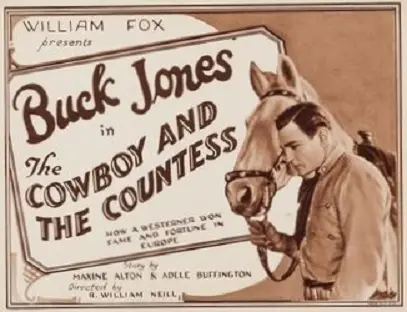
Director's Spotlight: United States
A Deep Dive into the 1926 Vision of Roy William Neill
Deciphering the layers of The Cowboy and the Countess (1926) reveals the complex thematic architecture established by Roy William Neill. Utilizing a 1926-specific aesthetic that remains timeless, it stands as the definitive 1926 statement on Western identity.
In The Cowboy and the Countess, Roy William Neill pushes the boundaries of conventional narrative. The film's unique approach to its subject matter has sparked endless debates and interpretations among cinephiles and critics alike.
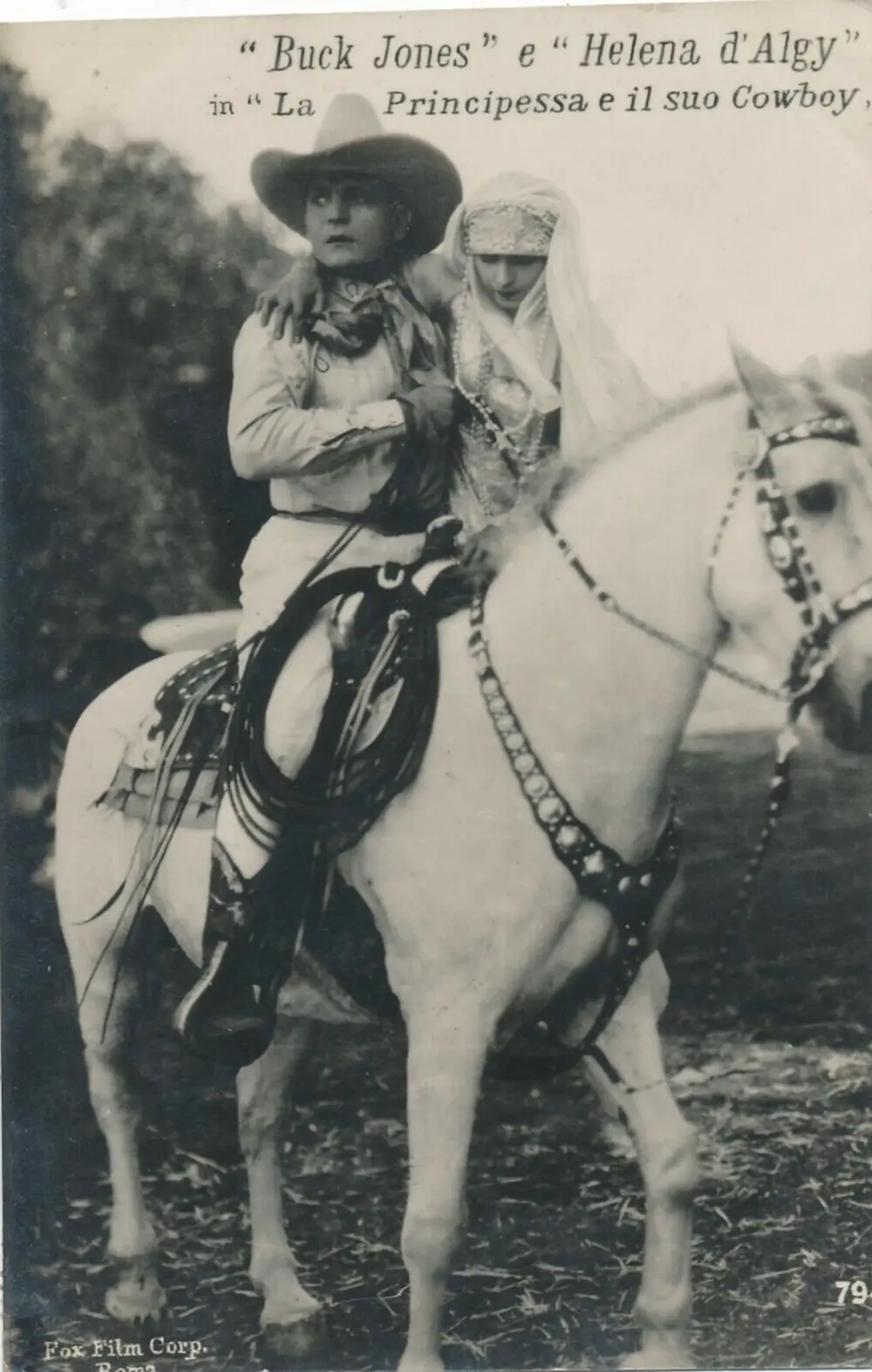
In this work, Roy William Neill explores the intersection of Western and United States cultural identity. The meticulous attention to detail suggests a deep-seated commitment to pushing the boundaries of the medium, ensuring that The Cowboy and the Countess remains a relevant topic of study for Western enthusiasts.
| Cinematography | Noir-Inspired |
| Soundtrack | Experimental |
| Editing | Elliptical |
| Art Direction | Expressionist |
Visualizing the convergence of Roy William Neill's style and the core Western narrative.
While touring the American West, Countess Justina of Belgravia is involved in an automobile accident. Jerry Whipple, a devil of the range, comes to her aid, and the two become friends. Justina returns to her kingdom and reluctantly prepares for her state marriage to Duke de Milos; Jerry joins a Wild West show and, while on tour, comes to Belgravia. Jerry learns that the duke is secretly the leader of a gang of thieves and abducts Justina to save her from the duke's evil. Jerry then defeats the duke and his men and returns to the palace with Justina, where they are wed in a formal ceremony.
Decades after its release, The Cowboy and the Countess remains a vital piece of the cinematic puzzle. Its influence can be seen in countless modern works, solidifying Roy William Neill's status as a master of the craft in United States and beyond.