
DbcultAccessing Vault...
Director's Spotlight
Senior Film Conservator
Director's Spotlight: United States
A Deep Dive into the 1917 Vision of Roy William Neill
When we examine the cinematic landscape of United States, The Price Mark emerges as a landmark work of the enduring legacy of Roy William Neill's artistic contribution to the genre. Through a lens of existential fatalism and cult tropes, it captures a specific kind of cinematic magic that is rarely replicated.
In The Price Mark, Roy William Neill pushes the boundaries of conventional narrative. The film's unique approach to its subject matter has sparked endless debates and interpretations among cinephiles and critics alike.
While deeply rooted in United States, The Price Mark has achieved a global reach, influencing directors from various backgrounds. Its ability to translate cult tropes into a universal cinematic language is why it remains a cult staple decades after its 1917 release.
| Cinematography | Deep Focus |
| Soundtrack | Orchestral |
| Editing | Invisible |
| Art Direction | Kitsch |
Visualizing the convergence of Roy William Neill's style and the core cult narrative.
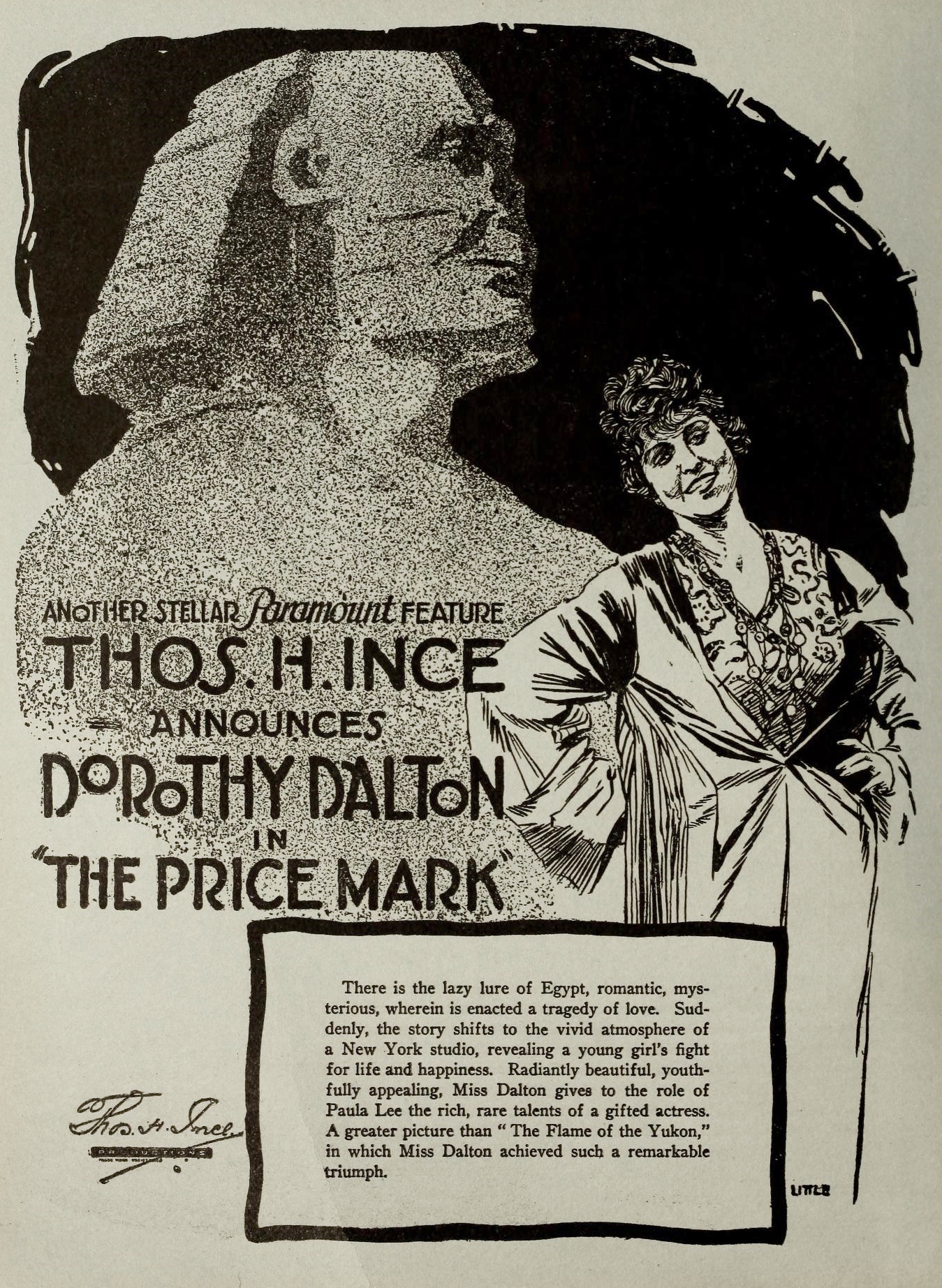
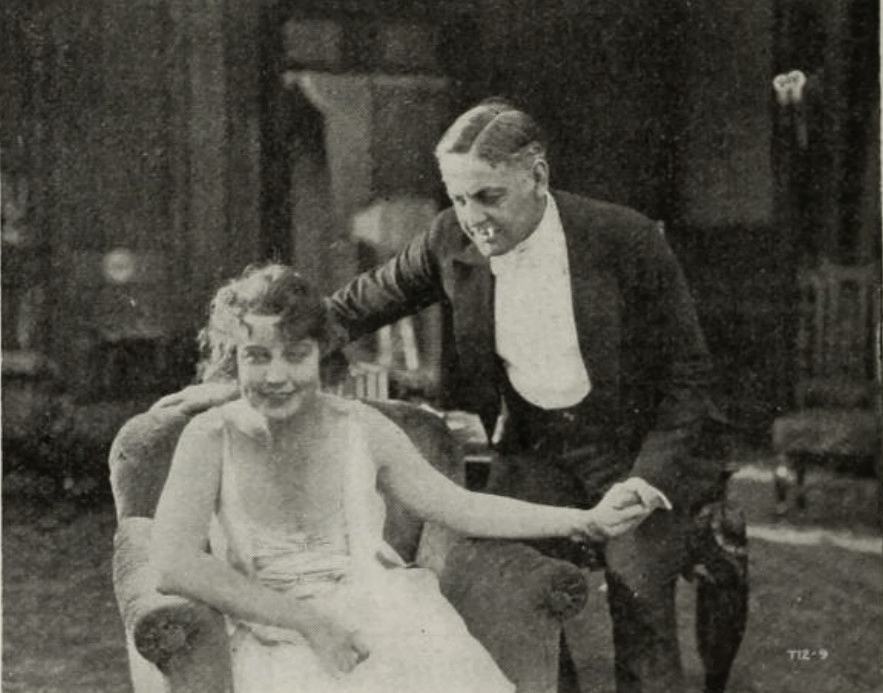
After being dishonored by noted artist Fielding Powell, struggling model Paula Lee resigns herself to living as his mistress until a misunderstanding causes their separation. Paula meets and falls in love with Powell's old friend Dr. Melfi, and they marry and are happy until Powell pays a visit to Dr. Melfi and is astonished when Paula is introduced to him as Melfi's wife. His old desires aroused, he forces a promise from her to visit him that night. In his home, he demands that their old relationship be continued as the price of his silence. Paula tries to escape and is struggling with him when Melfi's servant, desiring to avenge his sister's honor, which had been destroyed by Powell, plunges a knife into the artist's heart. Dr. Melfi is summoned and arrives in time to hear Powell confess that he was responsible for Paula's predicament.
Decades after its release, The Price Mark remains a vital piece of the cinematic puzzle. Its influence can be seen in countless modern works, solidifying Roy William Neill's status as a master of the craft in United States and beyond.