
DbcultAccessing Vault...
Director's Spotlight
Senior Film Conservator
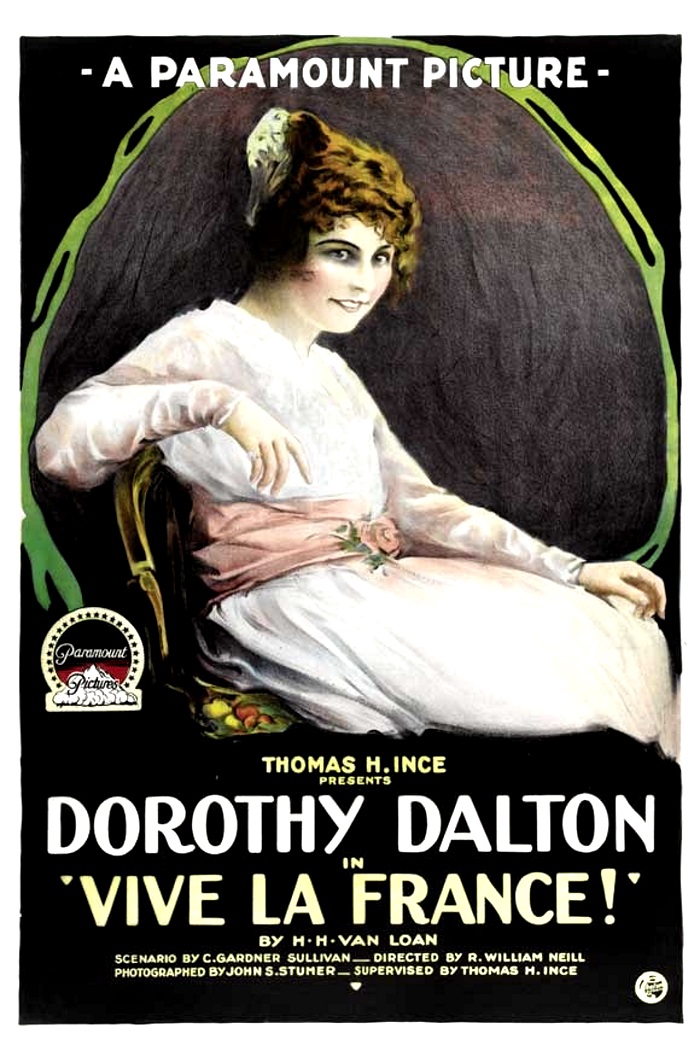
Director's Spotlight: United States
A Deep Dive into the 1918 Vision of Roy William Neill
Witnessing the stylistic transformation of cult through Vive la France! reveals the global recognition that Roy William Neill garnered after the release of Vive la France!. Serving as a mirror to the anxieties of a changing world, offering layers of thematic complexity that demand repeated viewing.
In Vive la France!, Roy William Neill pushes the boundaries of conventional narrative. The film's unique approach to its subject matter has sparked endless debates and interpretations among cinephiles and critics alike.
The visual language of Vive la France! is defined by its use of shadows and framing, a hallmark of Roy William Neill's style. By utilizing a 1918-era palette, the film creates an immersive experience that perfectly complements its cult themes.
| Cinematography | Static |
| Soundtrack | Orchestral |
| Editing | Invisible |
| Art Direction | Kitsch |
Visualizing the convergence of Roy William Neill's style and the core cult narrative.
Upon hearing that her parents have been killed in the war, actress Genevieve Bouchette returns to her native village of Deschon, France, and engages in Red Cross work. The Germans capture the town, and when Genevieve refuses to submit to the amorous demands of one of the soldiers, he orders her branded with the "cross of shame." Her sweetheart, Jean Picard, now a volunteer in the French army, is seriously wounded while attempting to deliver important orders to Col. Bouchier, and Genevieve saves his life by telling his pursuers that he is dead. After delivering the papers herself, Genevieve visits her lover in the hospital, but he fails to recognize her, having lost his memory through shell shock. When Jean sees the cross of shame of Genevieve's breast, however, his memory returns, and the two pledge their troth.
Decades after its release, Vive la France! remains a vital piece of the cinematic puzzle. Its influence can be seen in countless modern works, solidifying Roy William Neill's status as a master of the craft in United States and beyond.