
DbcultAccessing Vault...
Director's Spotlight
Senior Film Conservator
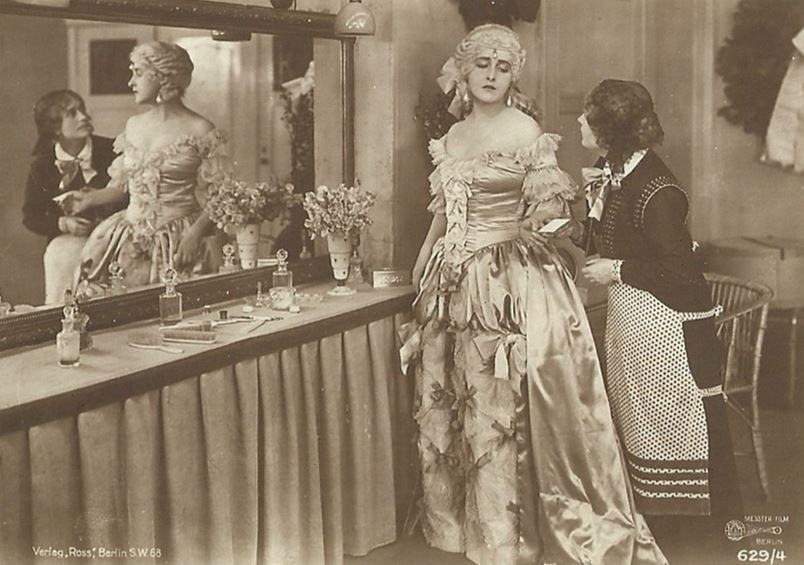
Director's Spotlight: Germany
A Deep Dive into the 1919 Vision of Rudolf Biebrach
Exploring the cult underpinnings of Die lebende Tote leads us to the uncompromising vision of Rudolf Biebrach that defines this cult masterpiece. Melding the raw energy of Germany with a global cult appeal, it echoes the profound changes occurring in Germany during that era.
In Die lebende Tote, Rudolf Biebrach pushes the boundaries of conventional narrative. The film's unique approach to its subject matter has sparked endless debates and interpretations among cinephiles and critics alike.
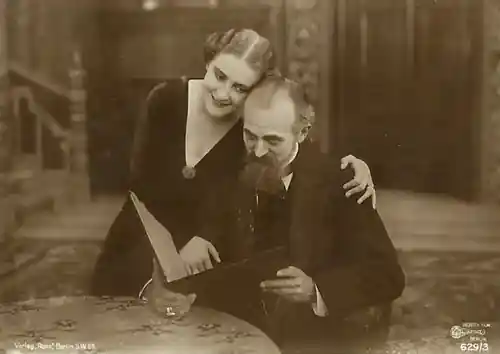
In this work, Rudolf Biebrach explores the intersection of cult and Germany cultural identity. The meticulous attention to detail suggests a deep-seated commitment to pushing the boundaries of the medium, ensuring that Die lebende Tote remains a relevant topic of study for cult enthusiasts.
| Cinematography | High-Contrast |
| Soundtrack | Synth-Heavy |
| Editing | Disjunctive |
| Art Direction | Baroque |
Visualizing the convergence of Rudolf Biebrach's style and the core cult narrative.
After meeting an ex-lover Eva runs away from her marriage and family into a world of vaudeville and drugs. She becomes an actress that satisfies the men around her. Heavy addicted she understands where the path she has chosen leads.
Decades after its release, Die lebende Tote remains a vital piece of the cinematic puzzle. Its influence can be seen in countless modern works, solidifying Rudolf Biebrach's status as a master of the craft in Germany and beyond.