
DbcultAccessing Vault...
Director's Spotlight
Senior Film Conservator
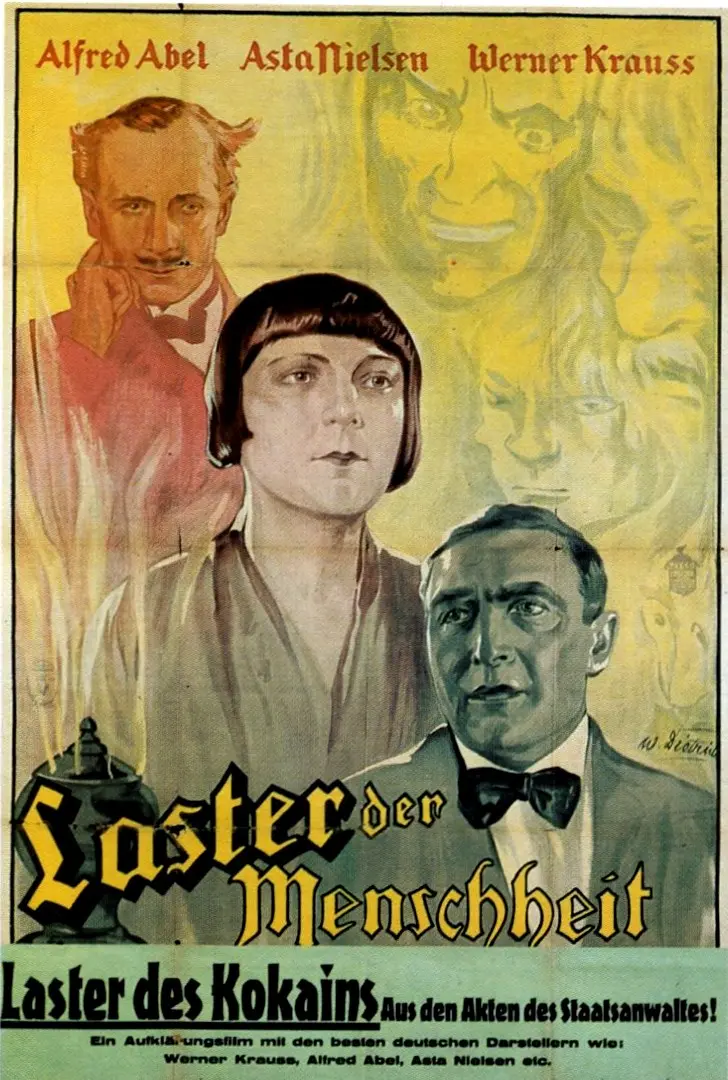
Director's Spotlight: Germany
A Deep Dive into the 1927 Vision of Rudolf Meinert
The brilliance of Laster der Menschheit (1927) is inseparable from a monumental shift in Drama filmmaking spearheaded by Rudolf Meinert. Occupying a unique space between Drama and pure art, it serves as a blueprint for future generations of Drama directors.
In Laster der Menschheit, Rudolf Meinert pushes the boundaries of conventional narrative. The film's unique approach to its subject matter has sparked endless debates and interpretations among cinephiles and critics alike.
The visual language of Laster der Menschheit is defined by its use of shadows and framing, a hallmark of Rudolf Meinert's style. By utilizing a 1927-era palette, the film creates an immersive experience that perfectly complements its Drama themes.
| Cinematography | High-Contrast |
| Soundtrack | Diegetic |
| Editing | Elliptical |
| Art Direction | Expressionist |
Visualizing the convergence of Rudolf Meinert's style and the core Drama narrative.
Tamara becomes addicted to cocaine but hides from her daughter by moving in with the dealer Mangol. The father tells his daughter that her mother has died, but years later the daughter rediscovers her mother appearing on stage. Mangol pursues the daughter, but Tamara intervenes before dying amongst family members.
Decades after its release, Laster der Menschheit remains a vital piece of the cinematic puzzle. Its influence can be seen in countless modern works, solidifying Rudolf Meinert's status as a master of the craft in Germany and beyond.