
DbcultAccessing Vault...
Director's Spotlight
Senior Film Conservator
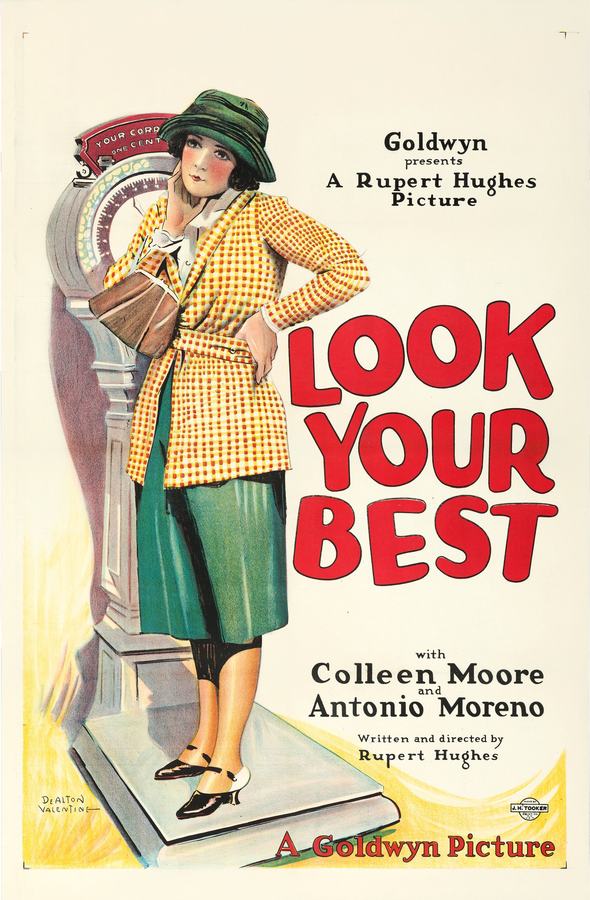
Director's Spotlight: United States
A Deep Dive into the 1923 Vision of Rupert Hughes
Peeling back the layers of Rupert Hughes's Look Your Best exposes the collaborative alchemy between Rupert Hughes and the 1923 creative team. Anchored by a narrative that is both personal and universal, it reinforces the idea that cinema is a medium of infinite possibilities.
In Look Your Best, Rupert Hughes pushes the boundaries of conventional narrative. The film's unique approach to its subject matter has sparked endless debates and interpretations among cinephiles and critics alike.
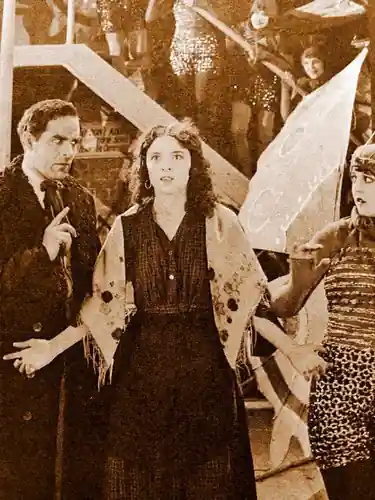
The visual language of Look Your Best is defined by its use of shadows and framing, a hallmark of Rupert Hughes's style. By utilizing a 1923-era palette, the film creates an immersive experience that perfectly complements its Comedy themes.
| Cinematography | Deep Focus |
| Soundtrack | Minimalist |
| Editing | Slow-Burn |
| Art Direction | Brutalist |
Visualizing the convergence of Rupert Hughes's style and the core Comedy narrative.
Perla Quaranta, a half-starved "daughter of Little Italy," is given the place in Carlo Bruni's "Butterfly Act" that is vacated by a chorus girl who has grown too fat. Although Perla becomes friendly with Krug, the wire-man, she rejects him as a suitor, and in revenge Krug causes Perla's wire to break, hoping she will be fired for gaining weight. Instead, Bruni thrashes Krug, a felony for which he spends thirty days in jail. When freed, Bruni produces a new and successful dance act with Perla as the star, and the couple marry, each encouraging the other in his struggle against food.
Decades after its release, Look Your Best remains a vital piece of the cinematic puzzle. Its influence can be seen in countless modern works, solidifying Rupert Hughes's status as a master of the craft in United States and beyond.