
DbcultAccessing Vault...
Director's Spotlight
Senior Film Conservator
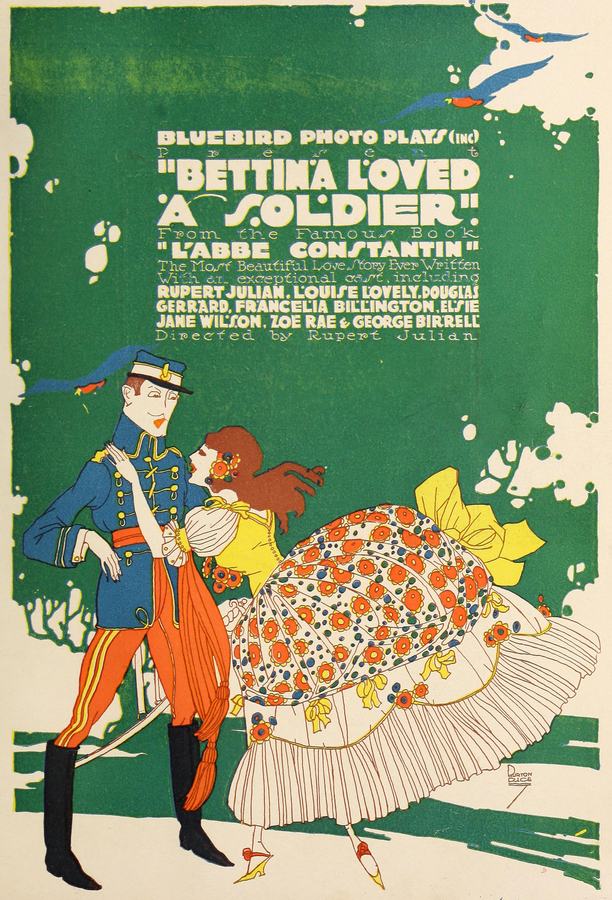
Director's Spotlight: United States
A Deep Dive into the 1916 Vision of Rupert Julian
Few works in United States cinema carry the same weight as Bettina Loved a Soldier, especially regarding the technical innovation that Rupert Julian introduced to the cult format. Subverting the expectations of the typical 1916 audience, it bridges the gap between traditional cult and contemporary vision.
In Bettina Loved a Soldier, Rupert Julian pushes the boundaries of conventional narrative. The film's unique approach to its subject matter has sparked endless debates and interpretations among cinephiles and critics alike.
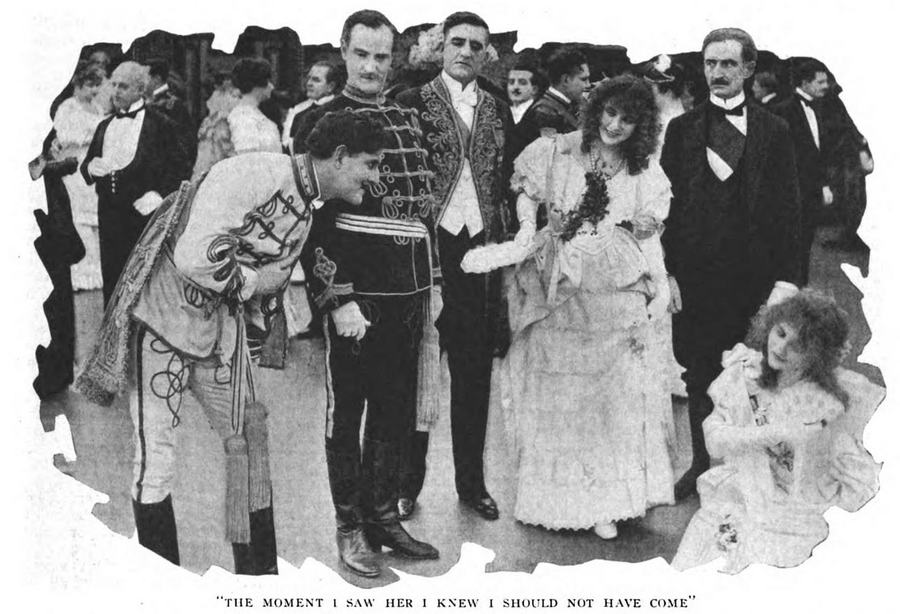
The visual language of Bettina Loved a Soldier is defined by its use of shadows and framing, a hallmark of Rupert Julian's style. By utilizing a 1916-era palette, the film creates an immersive experience that perfectly complements its cult themes.
| Cinematography | Deep Focus |
| Soundtrack | Experimental |
| Editing | Invisible |
| Art Direction | Kitsch |
Visualizing the convergence of Rupert Julian's style and the core cult narrative.
In 19th-century France, wealthy, single young Bettina is pursued by dozens of young men, but she believes that they're interested more in her money than in her and rejects them all. Young Army Lt. Jean Reynaud meets her and falls for her without knowing how wealthy she is; when he finally finds out, he is afraid that, because of her high social status and his low one, he'll be perceived to be just another gold-digger, and his sense of honor won't permit that, so he turns her away. She, however, doesn't want to be turned away, and he finds the tables turned when she pursues him.
Decades after its release, Bettina Loved a Soldier remains a vital piece of the cinematic puzzle. Its influence can be seen in countless modern works, solidifying Rupert Julian's status as a master of the craft in United States and beyond.