
DbcultAccessing Vault...
Director's Spotlight
Senior Film Conservator
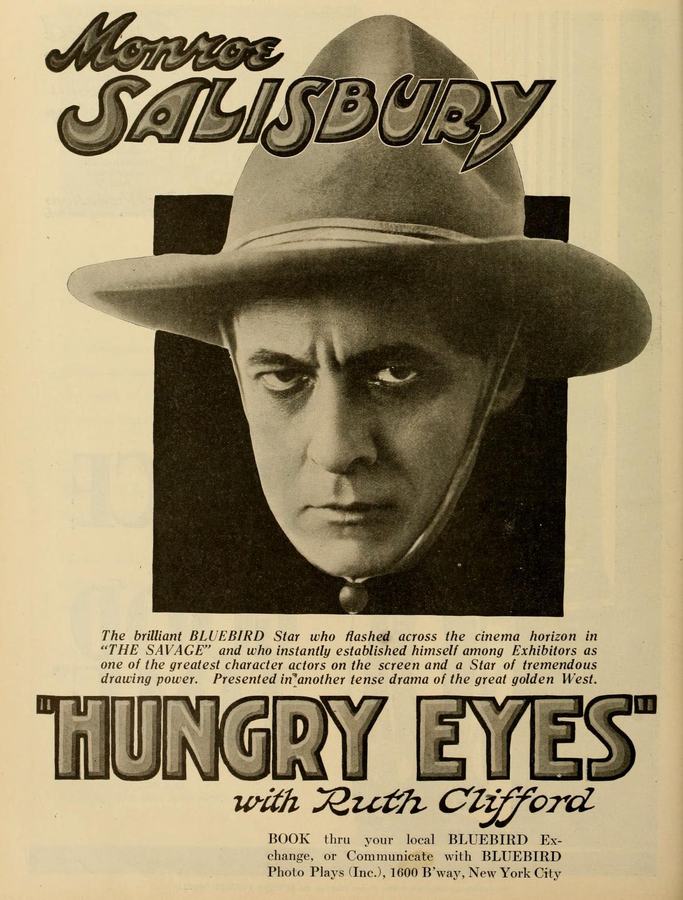
Director's Spotlight: United States
A Deep Dive into the 1918 Vision of Rupert Julian
Exploring the cult underpinnings of Hungry Eyes leads us to the stylistic boundaries pushed by Rupert Julian during the production. Through a lens of existential fatalism and cult tropes, it continues to spark endless debates among critics and cinephiles alike.
In Hungry Eyes, Rupert Julian pushes the boundaries of conventional narrative. The film's unique approach to its subject matter has sparked endless debates and interpretations among cinephiles and critics alike.
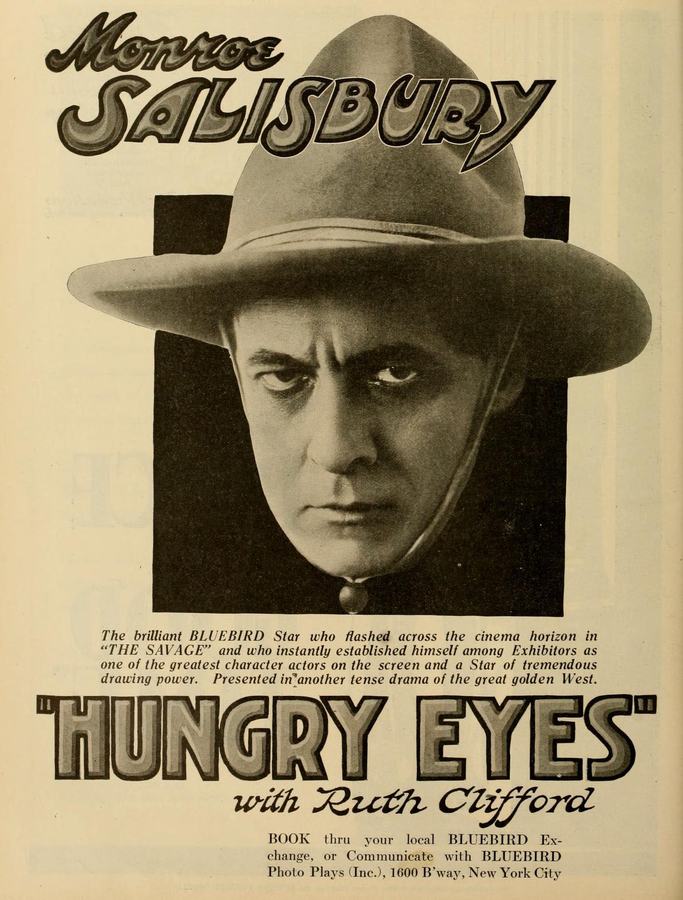
To fully appreciate Hungry Eyes, one must consider the cinematic climate of 1918. During this period, United States was undergoing significant artistic shifts, and Rupert Julian was at the forefront of this cult movement, often challenging established norms.
| Cinematography | Handheld |
| Soundtrack | Orchestral |
| Editing | Slow-Burn |
| Art Direction | Brutalist |
Visualizing the convergence of Rupert Julian's style and the core cult narrative.
Ex-convict Dale Revenal arrives at Dudley Appleton's ranch bearing a letter of introduction from John Silver, Appleton's old friend. Appleton hires Dale, who, through his winning manner, soon wins the respect of the ranch hands and the love of the ranch owner's daughter Mary Jane. Believing himself unworthy of her, Dale tells Mary Jane that he has a wife and child in Arizona, and she reluctantly agrees to marry Jack Nelda, a local rancher. Nelda realizes that Mary Jane is still in love with Dale and plots with Bessie Dupont and her brother Pinto to kill him. Bessie, however, warns Dale, but when he confronts Nelda at the saloon, Pinto shoots him, wounding him in the shoulder. John Silver comes to Dale's aid and Nelda is killed. Silver reveals that Dale's "wife" in Arizona is really his sister, and Dale finally accepts Mary Jane's love.
Decades after its release, Hungry Eyes remains a vital piece of the cinematic puzzle. Its influence can be seen in countless modern works, solidifying Rupert Julian's status as a master of the craft in United States and beyond.