
DbcultAccessing Vault...
Director's Spotlight
Senior Film Conservator
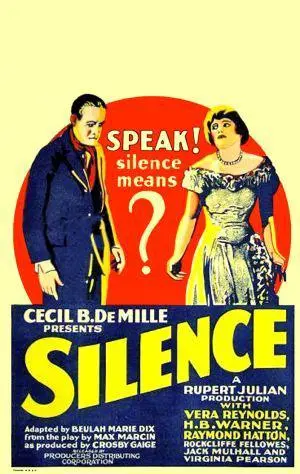
Director's Spotlight: United States
A Deep Dive into the 1926 Vision of Rupert Julian
As we revisit the 1926 masterpiece Silence, we are struck by the atmospheric immersion that Rupert Julian achieves throughout Silence. Exploring the nuances of the human condition with Drama flair, it solidifies Rupert Julian's reputation as a master of the craft.
In Silence, Rupert Julian pushes the boundaries of conventional narrative. The film's unique approach to its subject matter has sparked endless debates and interpretations among cinephiles and critics alike.
To fully appreciate Silence, one must consider the cinematic climate of 1926. During this period, United States was undergoing significant artistic shifts, and Rupert Julian was at the forefront of this Drama movement, often challenging established norms.
| Cinematography | Static |
| Soundtrack | Experimental |
| Editing | Elliptical |
| Art Direction | Expressionist |
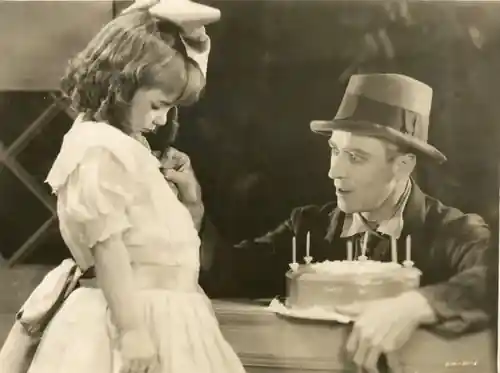
Visualizing the convergence of Rupert Julian's style and the core Drama narrative.
Jim Warren, a crook, is married to Norma, but there was a flaw in their marriage papers and he must marry her again to protect their unborn child. He returns home and gives her some money but it has been stolen and she is sent to jail as an accomplice. To get her out, he is forced to marry another woman and Norma, thinking Jim has deserted her, marries Phil Powers, and gives birth to Jim's daughter. Years later, Jim meets his daughter in the midst of a blackmail scheme against Norma over her earlier imprisonment. The daughter shoots the blackmailer, and Jim takes the blame.
Decades after its release, Silence remains a vital piece of the cinematic puzzle. Its influence can be seen in countless modern works, solidifying Rupert Julian's status as a master of the craft in United States and beyond.