
DbcultAccessing Vault...
Director's Spotlight
Senior Film Conservator
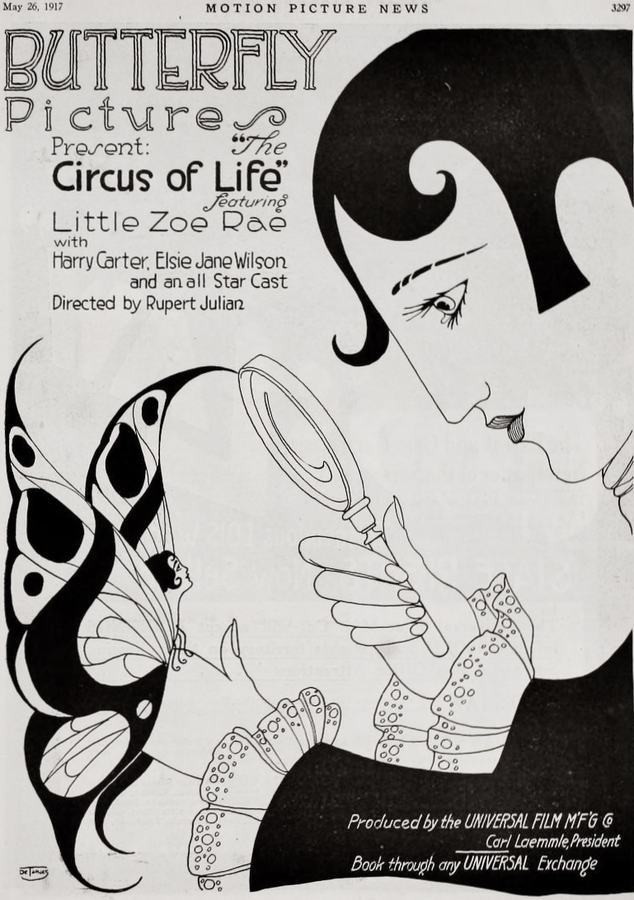
Director's Spotlight: United States
A Deep Dive into the 1917 Vision of Rupert Julian
Exploring the cult underpinnings of The Circus of Life leads us to the uncompromising vision of Rupert Julian that defines this cult masterpiece. Melding the raw energy of United States with a global cult appeal, it echoes the profound changes occurring in United States during that era.
In The Circus of Life, Rupert Julian pushes the boundaries of conventional narrative. The film's unique approach to its subject matter has sparked endless debates and interpretations among cinephiles and critics alike.
To fully appreciate The Circus of Life, one must consider the cinematic climate of 1917. During this period, United States was undergoing significant artistic shifts, and Rupert Julian was at the forefront of this cult movement, often challenging established norms.
| Cinematography | High-Contrast |
| Soundtrack | Diegetic |
| Editing | Rhythmic |
| Art Direction | Naturalist |
Visualizing the convergence of Rupert Julian's style and the core cult narrative.
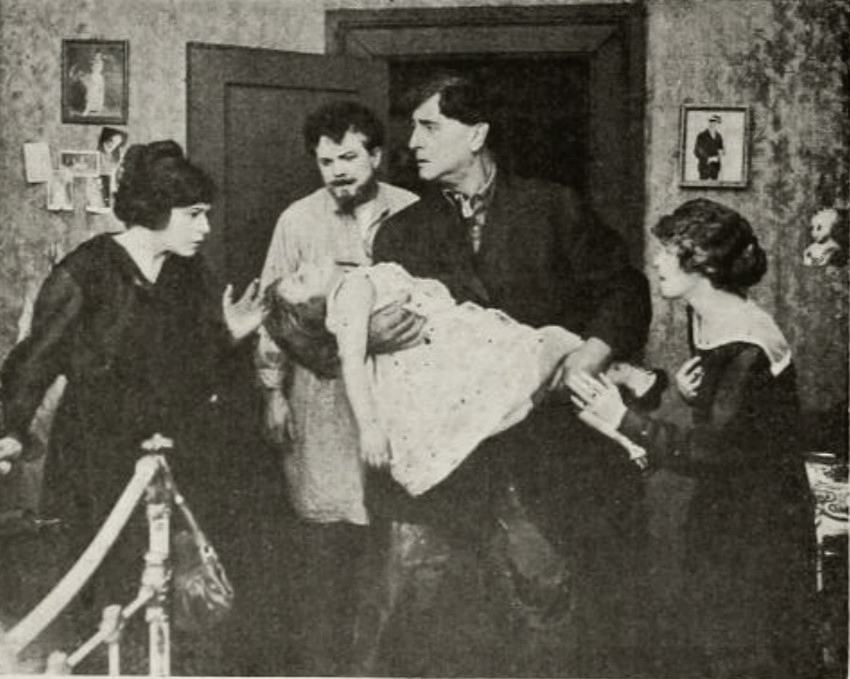
Danny, the driver of a brewery wagon, marries Mamie; soon after, she becomes infatuated with artist Gaston Bouvais. When Marie gives birth to Daisy May, Danny is led to believe at the hospital that the baby is not his. Shattered, he embarks upon a life of drinking and carousing. Nevertheless, he loves the little girl, and as she grows up, Daisy May joins him on the brewery wagon. On one of these trips, Danny drinks too much and loses control of his horses, and Daisy May is injured in the melee. Meanwhile, Bouvais has finally convinced Mamie to run away with him, but Danny's accident finally awakens in her the love she feels for him, and she refuses to go. Rejected, Bouvais marries another woman and happiness is restored to Danny and Mamie. When they reconcile, Daisy May recovers and Danny embarks upon the new career of driving a milk wagon.
Decades after its release, The Circus of Life remains a vital piece of the cinematic puzzle. Its influence can be seen in countless modern works, solidifying Rupert Julian's status as a master of the craft in United States and beyond.