
DbcultAccessing Vault...
Director's Spotlight
Senior Film Conservator
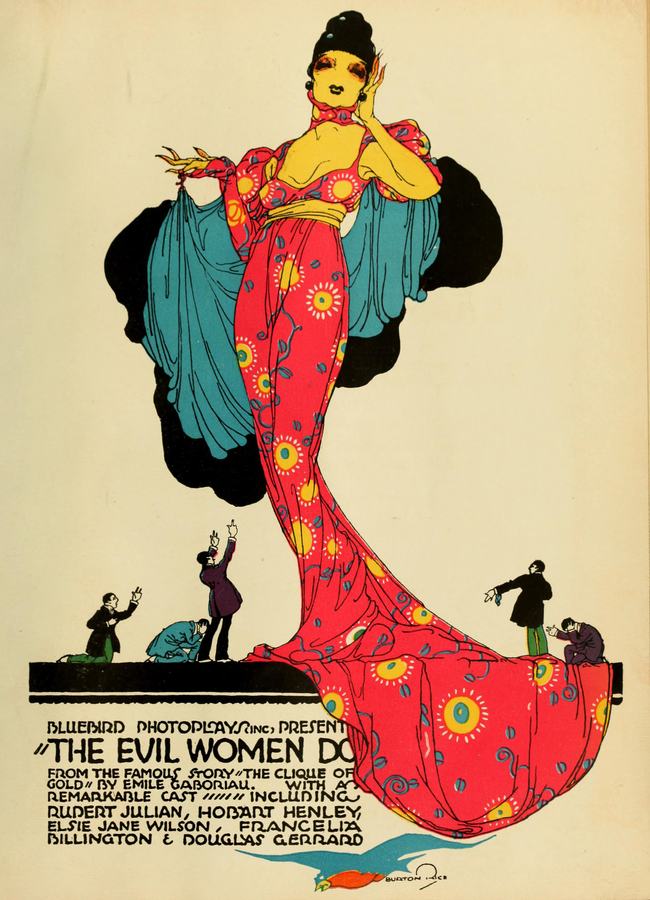
Director's Spotlight: United States
A Deep Dive into the 1916 Vision of Rupert Julian
Peeling back the layers of Rupert Julian's The Evil Women Do exposes the technical innovation that Rupert Julian introduced to the cult format. Driven by an uncompromising commitment to cult excellence, it stands as the definitive 1916 statement on cult identity.
In The Evil Women Do, Rupert Julian pushes the boundaries of conventional narrative. The film's unique approach to its subject matter has sparked endless debates and interpretations among cinephiles and critics alike.
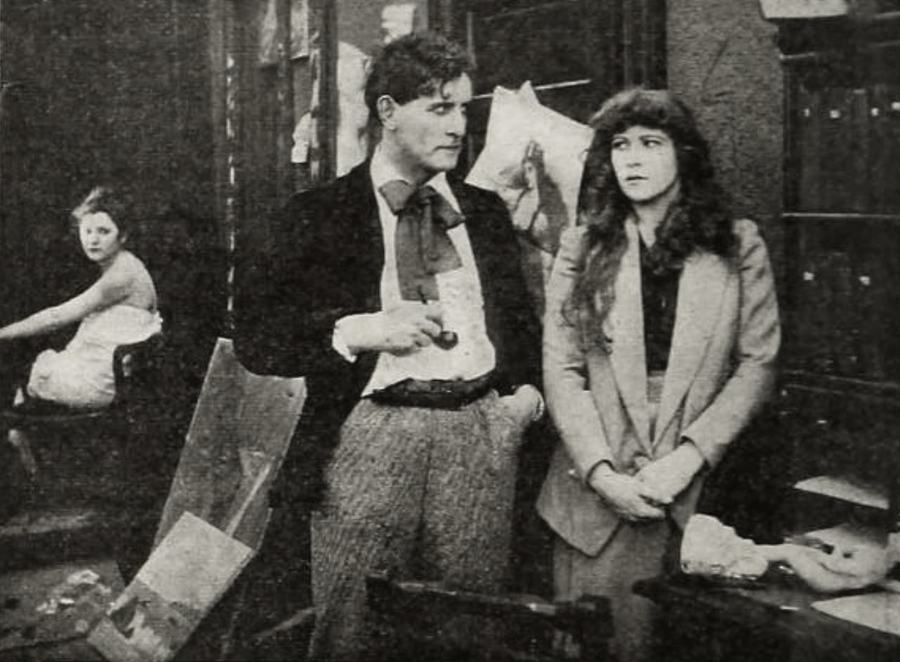
In this work, Rupert Julian explores the intersection of cult and United States cultural identity. The meticulous attention to detail suggests a deep-seated commitment to pushing the boundaries of the medium, ensuring that The Evil Women Do remains a relevant topic of study for cult enthusiasts.
| Cinematography | Deep Focus |
| Soundtrack | Minimalist |
| Editing | Disjunctive |
| Art Direction | Baroque |
Visualizing the convergence of Rupert Julian's style and the core cult narrative.
Ernestine Bergot is a child of the Paris streets. One day she begs a few sous from a student of the Latin quarter. He becomes interested in her, takes her to his studio, and declares he will adopt her. Later she meets Justin Chevassat, another artist, and a mutual infatuation springs up. Gradually Ernestine becomes a beautiful "vampire," hardened to any crime. One day she shoves her benefactor out of the studio window after robbing him of a large sum of money. When he dies as a result of the fall, Ernestine and Justin leave the Latin quarter. To further their schemes they take into partnership Sir Thomas Elgin, who poses as Ernestine's uncle. The woman changes her name to Sarah Brandon her reckless adventures soon make her known as the most evil woman in the city. Malgat, a banker's clerk who has access to the funds, is her first victim. Sir Thomas Elgin, acting as Sarah Brandon's decoy, feigns illness one day while walking in Boise de Bologne and attracts the attention of Count Ville Handry, who assists the supposed sick man to Sarah Brandon's home, where the woman proceeds to practice her wiles upon the old nobleman. In the end Count Handry asks her to marry him, and their engagement is announced. The Count's daughter Henriette objects, especially when Daniel Champcey, her betrothed, a French naval officer, informs her of Sarah Brandon's reputation. The Count persists, Daniel is ordered to China, and Henriette is left alone in her father's home with the mistress of the house and all the servants (by Sarah's conniving) turned against the daughter. Before leaving Daniel has mistakenly entrusted Henriette to the "tender" mercies of Chavessat, tool of Sarah. When Henriette is no longer able to endure the humiliation she suffers in her father's home, she begs Chavessat to take her away to some quiet spot where she can live respectably until she can get word to Daniel in China. Chavessat's treachery imprisoned Henriette in a house of ill repute, where he threatens, by starvation, to compel the girl to submit to his will. In the same building where Henriette is confined lives Malgat, the banker's clerk Sarah ruined, and it is through his discovery of Henriette's identity and his further activities in association with the Parisian police that Sarah is finally exposed at the moment when Count Handry, ruined by her iniquity, is about to commit suicide. Daniel has hurriedly returned to Paris in response to Henriette's appeal, and with Malgat and the girl, faces Sarah Brandon in Count Handry's home. Rather than submit to arrest Sarah Brandon drinks from a vial of poison and falls dead, as the police lead away to prison Chavessat and her other accomplice, Sir Thomas Elgin.
Decades after its release, The Evil Women Do remains a vital piece of the cinematic puzzle. Its influence can be seen in countless modern works, solidifying Rupert Julian's status as a master of the craft in United States and beyond.