
DbcultAccessing Vault...
Director's Spotlight
Senior Film Conservator
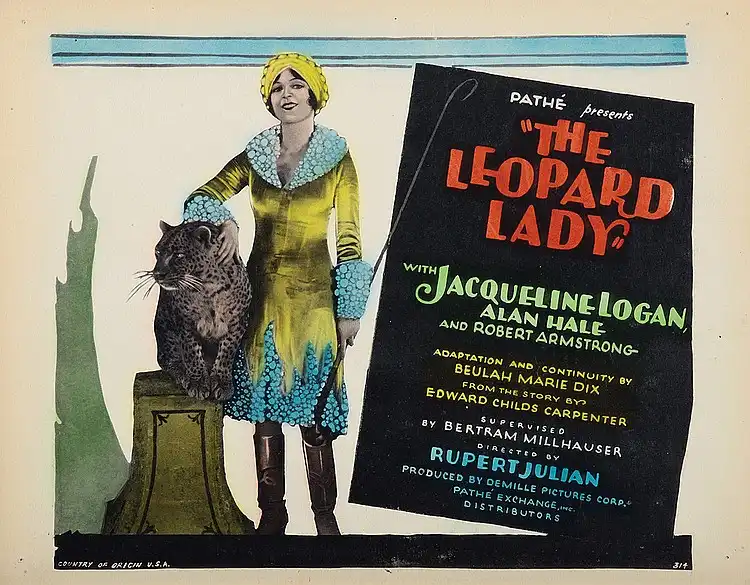
Director's Spotlight: United States
A Deep Dive into the 1928 Vision of Rupert Julian
Exploring the Drama underpinnings of The Leopard Lady leads us to the stylistic boundaries pushed by Rupert Julian during the production. Through a lens of existential fatalism and Drama tropes, it continues to spark endless debates among critics and cinephiles alike.
In The Leopard Lady, Rupert Julian pushes the boundaries of conventional narrative. The film's unique approach to its subject matter has sparked endless debates and interpretations among cinephiles and critics alike.
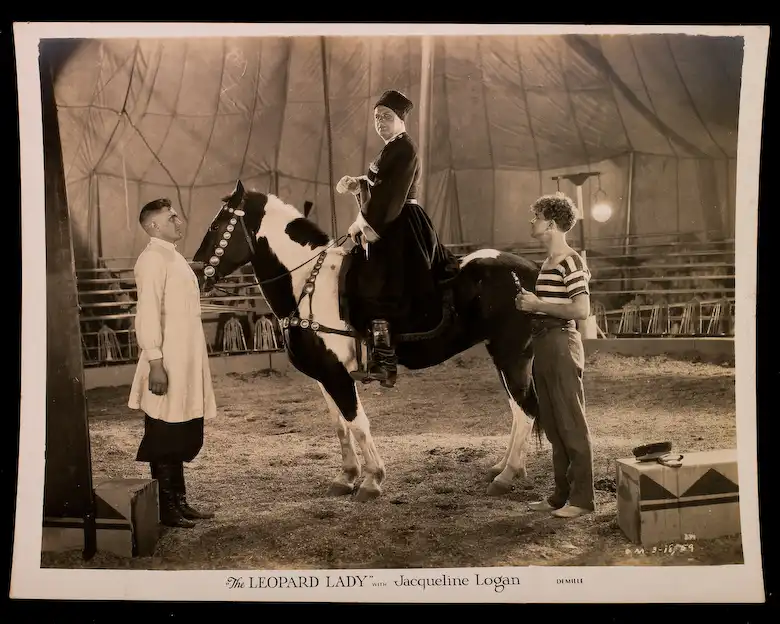
The visual language of The Leopard Lady is defined by its use of shadows and framing, a hallmark of Rupert Julian's style. By utilizing a 1928-era palette, the film creates an immersive experience that perfectly complements its Drama themes.
| Cinematography | Noir-Inspired |
| Soundtrack | Diegetic |
| Editing | Rhythmic |
| Art Direction | Naturalist |
Visualizing the convergence of Rupert Julian's style and the core Drama narrative.
Paula (Jacqueline Logan), a leopard trainer known as the Leopard Lady, is hired by police to join a circus and investigate a series of thefts and murders. She discovers that Caesar (Alan Hale), a Cossack, owns an ape trained by him to be a vicious killer. At first the Leopard Lady hesitates to expose Caesar because he once saved her life. Later, when the ape almost kills her fiance, she reveals the truth and sends for her chief to make the arrest.
Decades after its release, The Leopard Lady remains a vital piece of the cinematic puzzle. Its influence can be seen in countless modern works, solidifying Rupert Julian's status as a master of the craft in United States and beyond.