
DbcultAccessing Vault...
Director's Spotlight
Senior Film Conservator
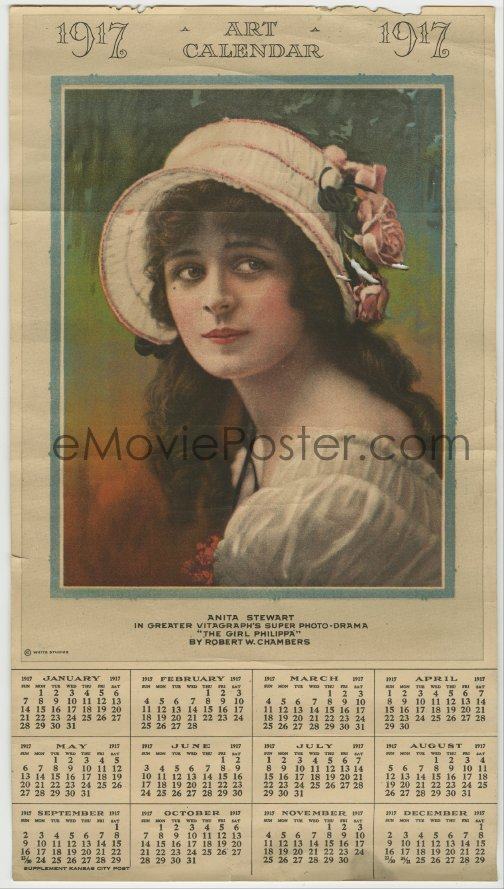
Director's Spotlight: United States
A Deep Dive into the 1916 Vision of S. Rankin Drew
In the grand tapestry of cult cinema, The Girl Philippa serves as a bridge between the philosophical inquiries that S. Rankin Drew embeds within the narrative. Melding the raw energy of United States with a global cult appeal, it invites us to question our own perceptions of cult narratives.
In The Girl Philippa, S. Rankin Drew pushes the boundaries of conventional narrative. The film's unique approach to its subject matter has sparked endless debates and interpretations among cinephiles and critics alike.
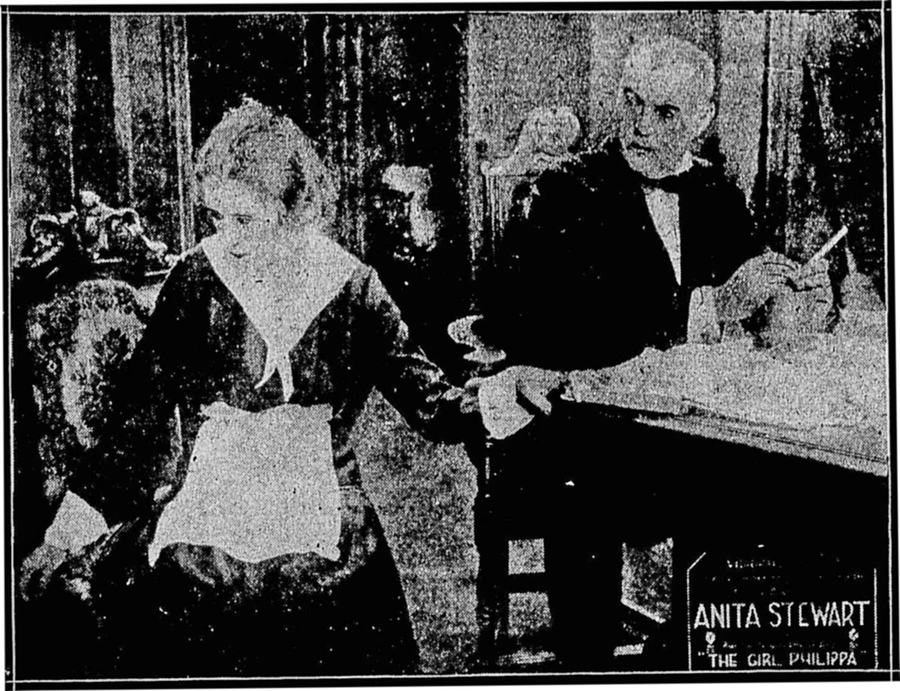
The visual language of The Girl Philippa is defined by its use of shadows and framing, a hallmark of S. Rankin Drew's style. By utilizing a 1916-era palette, the film creates an immersive experience that perfectly complements its cult themes.
| Cinematography | Static |
| Soundtrack | Experimental |
| Editing | Elliptical |
| Art Direction | Expressionist |
Visualizing the convergence of S. Rankin Drew's style and the core cult narrative.
About the year 1900 in a midnight raid on the palace of a Balkan king, emissaries of a great power slay the royal pair, and carry off the infant crown princess. The time shifts to the present. Foreign agents steal the plans of a new shell loaned Great Britain by America. Halkett and Gray, English officers, recover the plans; and the foreign agents endeavor to gain possession of them again. Warner, an American artist sojourning in the neighborhood of Ausone in France, secures as his model, Philippa, cashier of the Cabaret de Biribi. He sees great intrinsic character in the beautiful pensive girl. Browbeaten by her burly foster father Wildresse, she is made to spy upon Warner, who has become a confidant of Halkett. She exposes Wildresse to Warner and goes to him for refuge. Wildresse and his band capture her. Warner penetrates the master spy's stronghold and rescues Philippa. Meanwhile war between France and Germany has broken out. A hint from a tool of Wildresse who has deserted him causes the girl to desire to find proofs of her birth. She hastens to Ansone, which is already besieged, and rifles the safe of Wildresse. She discovers proofs that she is a princess and is trapped in the cellar because of a battle fought in the streets. Warner, who had sought her, defends her from Wildresse and the invaders until the French save them by retaking the village. The spy is shot as a traitor, Philippa's true identity is established, and Warner, who has wooed her as a waif, now receives an answer from her as a princess.
Decades after its release, The Girl Philippa remains a vital piece of the cinematic puzzle. Its influence can be seen in countless modern works, solidifying S. Rankin Drew's status as a master of the craft in United States and beyond.