
DbcultAccessing Vault...
Director's Spotlight
Senior Film Conservator
Director's Spotlight: United States
A Deep Dive into the 1916 Vision of S. Rankin Drew
Deciphering the layers of Thou Art the Man (1916) reveals the complex thematic architecture established by S. Rankin Drew. Utilizing a 1916-specific aesthetic that remains timeless, it stands as the definitive 1916 statement on cult identity.
In Thou Art the Man, S. Rankin Drew pushes the boundaries of conventional narrative. The film's unique approach to its subject matter has sparked endless debates and interpretations among cinephiles and critics alike.
To fully appreciate Thou Art the Man, one must consider the cinematic climate of 1916. During this period, United States was undergoing significant artistic shifts, and S. Rankin Drew was at the forefront of this cult movement, often challenging established norms.
| Cinematography | Noir-Inspired |
| Soundtrack | Experimental |
| Editing | Elliptical |
| Art Direction | Expressionist |
Visualizing the convergence of S. Rankin Drew's style and the core cult narrative.
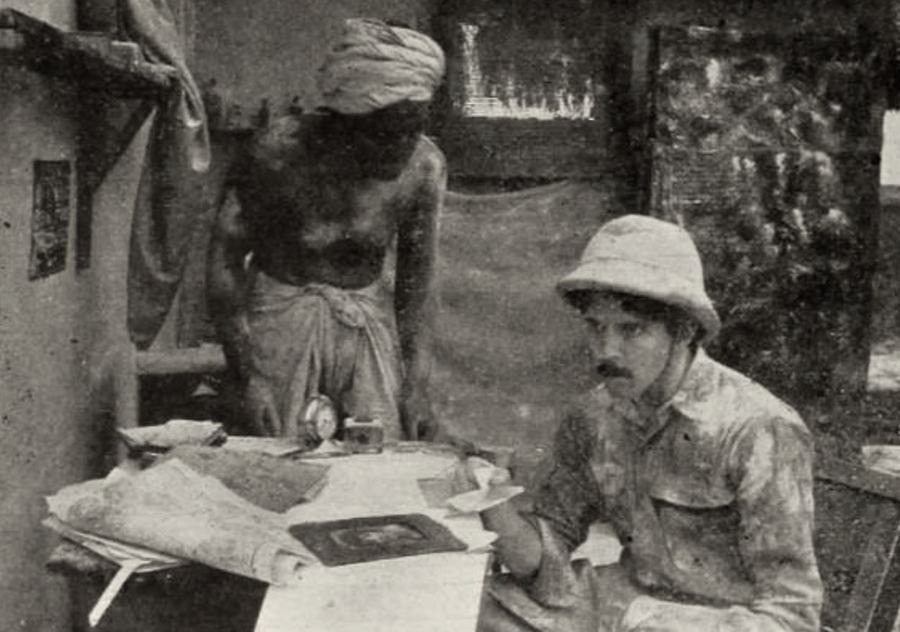
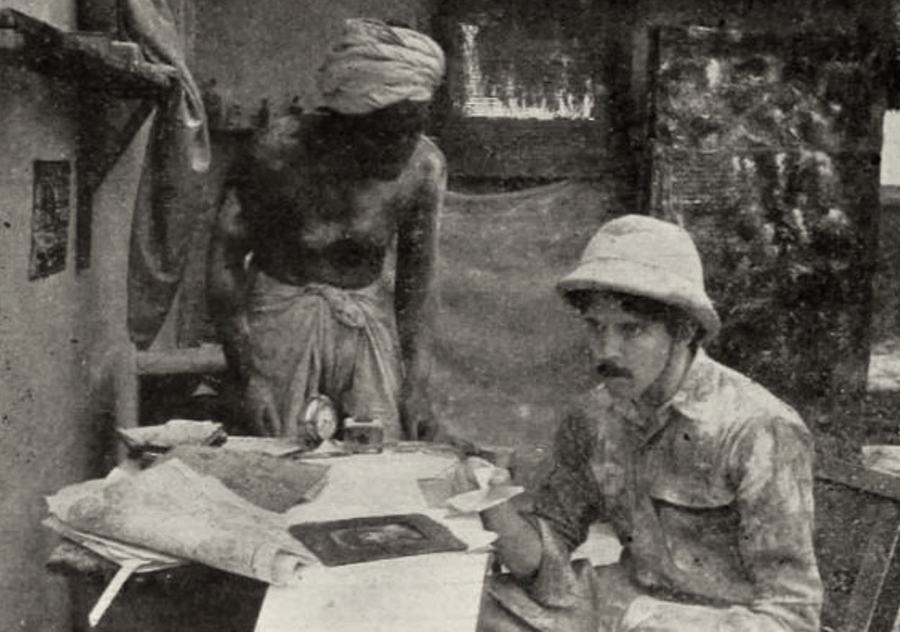
A clerk in the British Civil Service stationed in India, Gilbert Raynor sends for his wife Emily after a long period of diligent saving. Shortly after her arrival, Emily becomes ill, and Raynor requests a transfer to a gentler climate. Marner, Raynor's superior, refuses the request until he meets Emily and falls in love with her, after which he moves Raynor to a high-paying but dangerous post. Inevitably, Raynor contracts the fever which is endemic to the district where he is stationed. Marner, who follows Emily to the mountain area where she goes to recover, learns of Raynor's illness but does not transfer him. Finally, after Emily, who has backed off Marner's advances, learns of her husband's plight, Marner has an attack of conscience and journeys with Emily to rescue Raynor in the nick of time. Remaining in the fever zone, Marner reads the story of David and Uriah in Raynor's Bible, recognizes the parallel to his own wrongdoing, and dies from fever, while husband and wife are restored to happiness.
Decades after its release, Thou Art the Man remains a vital piece of the cinematic puzzle. Its influence can be seen in countless modern works, solidifying S. Rankin Drew's status as a master of the craft in United States and beyond.