
DbcultAccessing Vault...
Director's Spotlight
Senior Film Conservator
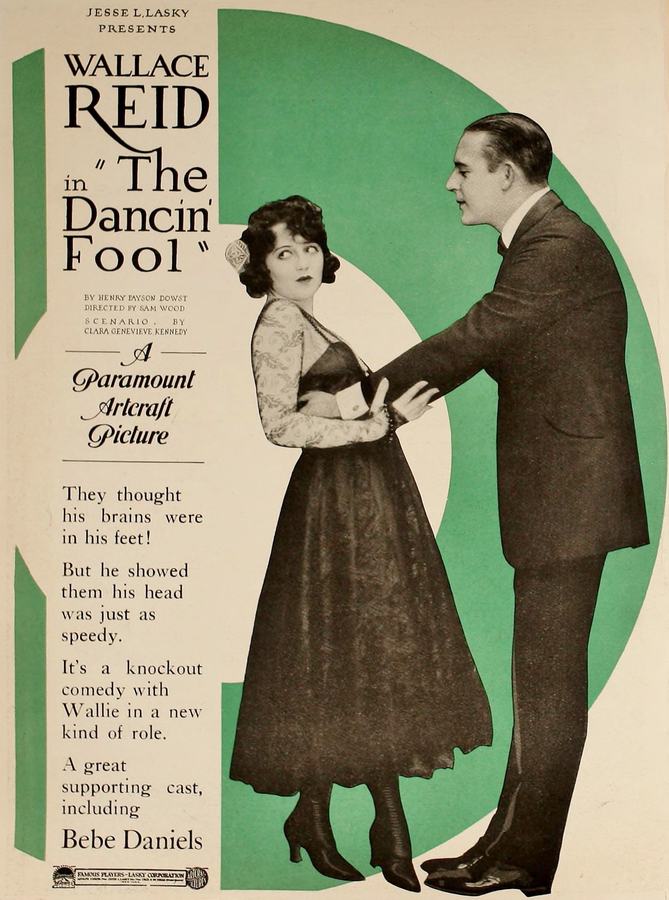
Director's Spotlight: United States
A Deep Dive into the 1920 Vision of Sam Wood
Peeling back the layers of Sam Wood's The Dancin' Fool exposes the technical innovation that Sam Wood introduced to the Romance format. Driven by an uncompromising commitment to Romance excellence, it stands as the definitive 1920 statement on Romance identity.
In The Dancin' Fool, Sam Wood pushes the boundaries of conventional narrative. The film's unique approach to its subject matter has sparked endless debates and interpretations among cinephiles and critics alike.

While deeply rooted in United States, The Dancin' Fool has achieved a global reach, influencing directors from various backgrounds. Its ability to translate Romance tropes into a universal cinematic language is why it remains a cult staple decades after its 1920 release.
| Cinematography | Noir-Inspired |
| Soundtrack | Minimalist |
| Editing | Slow-Burn |
| Art Direction | Brutalist |
Visualizing the convergence of Sam Wood's style and the core Romance narrative.
Fresh from the country, Sylvester Tibble secures a six dollar-a-week job at his Uncle Enoch Jones's antiquated jug business. One night he drifts into a cabaret and meets dancer Junie Budd who teaches him her profession. They become dancing partners and make a big hit on Broadway. Returning home from a prolonged business trip, Sylvester discovers that Harkins, a rival jug manufacturer, is about to buy out his uncle. Previously denounced as a "dancin' fool" by his Uncle Enoch, Sylvester now saves the business with an influx of new orders gained through his modern business techniques. Sylvester then enters into business partnership with his uncle and a marriage partnership with Junie.
Decades after its release, The Dancin' Fool remains a vital piece of the cinematic puzzle. Its influence can be seen in countless modern works, solidifying Sam Wood's status as a master of the craft in United States and beyond.