
Cult Cinema
The Sapphire Subversion: Decoding the Primal Weirdness and Genre Defiance of the Silent Underground
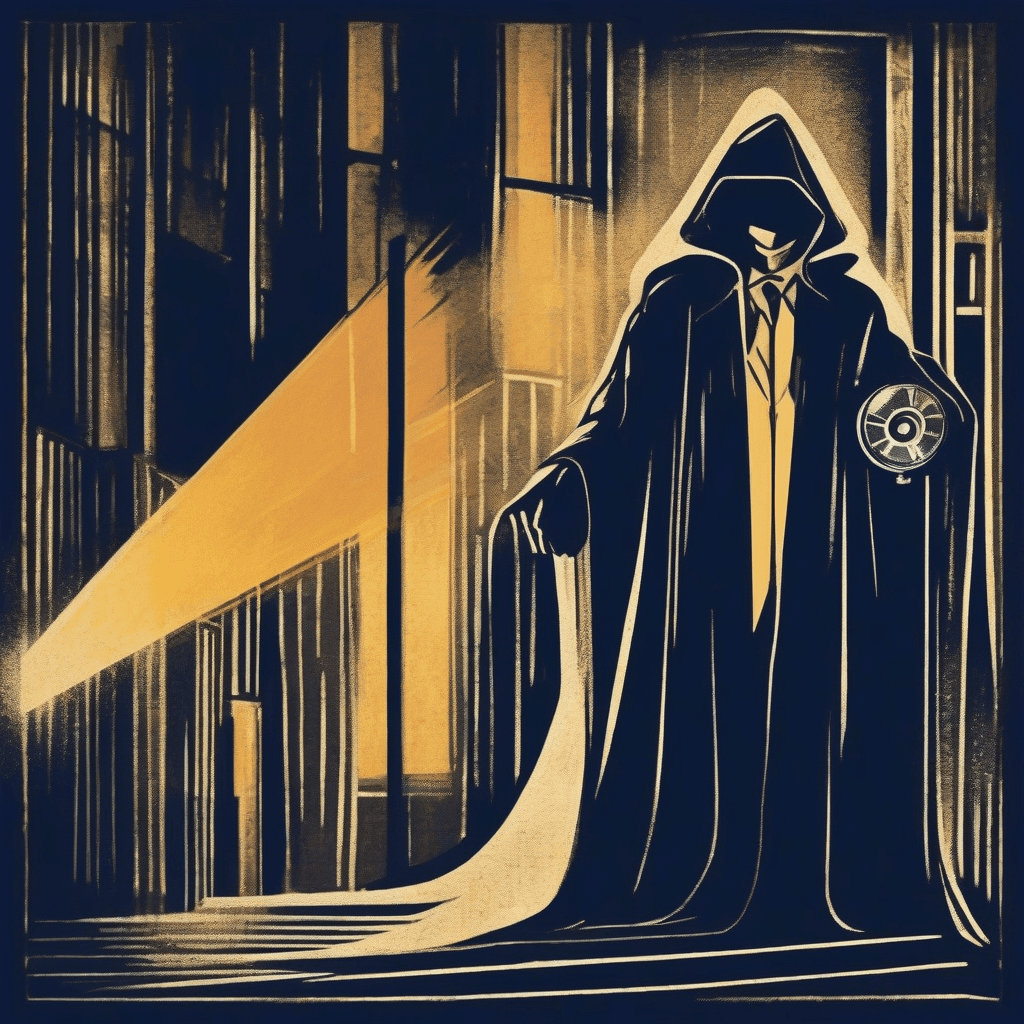
“A deep dive into the transgressive roots of cult cinema, exploring how the silent era's genre-bending misfits and moral outcasts laid the foundation for modern midnight movie obsession.”
The history of cinema is often told through the lens of the victors—the massive studios, the lauded auteurs, and the technical pioneers who refined the medium into a global industry. However, beneath the polished surface of Hollywood’s golden age and the European avant-garde lies a darker, more chaotic lineage. This is the realm of the cult film, a genre that existed long before the term was coined in the smoky midnight screenings of the 1970s. To understand the true DNA of the cinematic outlier, we must travel back to the silent era, where films like Flirting with Fate (1916) and Whispering Shadows (1921) first dared to challenge the moral and narrative status quo.
The Macabre Origins of Dark Comedy
One of the defining characteristics of cult cinema is its willingness to find humor in the horrific. Today, we might look to the works of John Waters or the Coen Brothers, but the seeds of this transgressive wit were planted in the 1910s. Take, for instance, Flirting with Fate. The premise is pure cult gold: a man, overwhelmed by emotional depression, hires a professional assassin to end his life. When his despair lifts, he finds himself trapped in a deadly game of cat and mouse with the very killer he commissioned. This narrative subversion—turning a suicidal impulse into a slapstick chase—prefigures the dark, existential comedies that would later define the underground circuit.
Similarly, the short animation Felix Lends a Hand (1922) showcases a surrealism that would make David Lynch proud. Felix the Cat, trudging through the snow, offers up his literal lives to escape the cold for Egypt. This casual treatment of mortality and the elastic nature of reality in early animation provided a blueprint for the visual anarchy that cult audiences crave. These films weren't just entertainment; they were experiments in how much the audience could endure and how far a narrative could bend before it broke.
Genre Anarchy: The Western as a Transgressive Space
While the Western is often viewed as the most traditional of American genres, the silent era’s fringe contributions were anything but standard. In Riding with Death (1921), we see the archetype of the vengeful Texas Ranger, but it is infused with a primal intensity that borders on the nihilistic. The quest for vengeance becomes an all-consuming fire, a theme echoed in The Broken Spur (1921). Here, the conflict between a railroad builder and a territorial bandit named Jacques Durand isn't just a battle of progress versus lawlessness; it’s a clash of ideologies that feels surprisingly modern.
The Outlaw Hero and the Moral Grey Zone
Cult cinema thrives in the grey zones of morality. In Baree, Son of Kazan (1918), the protagonist is a man who has already committed murder—albeit in defense of his father’s legacy—and flees to the Canadian Northwest. This "hero as a fugitive" trope is a cornerstone of cult narratives, where the protagonist is often an outsider forced to operate beyond the boundaries of polite society. Whether it’s the gambler George Forrester in The Fatal Card (1915) or the war veteran Bill Perkins in Headin' West (1922), these characters represent a rejection of the mainstream, a sentiment that resonates deeply with the cult film devotee.
Shadows and Séances: The Birth of the Supernatural Cult
Before the explosion of horror in the 1930s, the silent era was obsessed with the thin veil between the living and the dead. Whispering Shadows (1921) is a masterclass in atmospheric dread. When Helen Bransby and her sweetheart attend a séance, the film transitions from a standard drama into something far more unsettling. The warning issued during the ritual—that Stephen is in danger—hangs over the film like a shroud. This use of spiritualism and the occult as a narrative engine is a direct ancestor to films like *The Wickerman* or *Hereditary*.
The fascination with the macabre extends to international titles like the German Das rote Plakat (1920) and the Hungarian Méltóságos rab asszony (1920). These films explored crime and imprisonment with a visual flair that was often too intense for general audiences of the time. They were the "video nasties" of their day, whispered about in back alleys and eventually rediscovered by film historians who recognized their transgressive power.
Social Deviance and the Female Rebel
Cult cinema has always been a sanctuary for stories of rebellion against social norms, particularly regarding the role of women. The Food Gamblers (1917) features a reporter named June Justice who investigates food riots and the rebellion of tenement women. This is a far cry from the submissive heroines often associated with the era. Instead, we see a woman taking on the systemic corruption of the food industry, a theme that feels incredibly relevant in our modern age of corporate skepticism.
Then there is Peck's Bad Girl (1918), featuring the "village scamp" Minnie Penelope Peck. Minnie’s refusal to adhere to the expectations of her small town and her willingness to challenge authority (including a bank president) makes her a proto-punk icon. These characters—alongside the scandalous Madeline Grey in Beatrice Fairfax Episode 9: Outside the Law (1916)—broke the mold of the "damsel in distress," providing a template for the fierce, independent women of later cult classics.
The Aesthetics of the Absurd
No discussion of cult cinema is complete without acknowledging the sheer weirdness of the medium’s early years. On the Fire (1919) features a chef (Harold) who uses bizarre labor-saving devices, turning a kitchen into a site of mechanical chaos. Golfing (1917) takes this further, showing a family wrecking their parlor while being taught to play golf indoors. This brand of "nut comedy" relies on a logic of escalation that is central to the cult experience—the idea that if something is worth doing, it’s worth doing to an absurd, destructive extreme.
The Alchemical Transformation: From Flop to Cult Icon
Why do these films endure? Many of them, such as The Crimson Gardenia (1919) or The Dollar-a-Year Man (1921), were not necessarily blockbusters. In fact, many were misunderstood by critics of their time. The Crimson Gardenia, with its plot about a millionaire mistaken for a secret agent during Mardi Gras, is a dizzying mix of romance, adventure, and identity crisis. It is exactly the kind of "beautiful mess" that cult fans adore—a film that tries to do everything at once and, in its failure to be a standard genre piece, becomes something entirely unique.
The process of cultification is an alchemical one. It takes the lead of a forgotten or maligned film and, through the devotion of a niche audience, transforms it into the gold of a cinematic relic. We see this in the survival of The Adventures of Robinson Crusoe (1913), a film that stripped the adventure genre down to its primal roots of survival and isolation, or The Keys of the Righteous (1918), which explored the darkness of family secrets in the Wisconsin woods. These films were the outliers, the misfits, and the rebels of their time.
Conclusion: The Eternal Midnight
The cult cinema we celebrate today—the midnight movies, the grindhouse throwbacks, the transgressive indies—all owe a debt to the silent pioneers who refused to play by the rules. From the drug-fueled miners of Big Jim Garrity (1916) to the doomed voyage of The Port of Doom (1913), the early 20th century was a hotbed of narrative experimentation and moral defiance.
When we watch The Death-Bell or Mustered Out, we are not just looking at historical artifacts; we are looking at the blueprints of our own obsession. We are looking at the first flickers of the midnight soul, a spirit that remains as vibrant and subversive today as it was a century ago. The sapphire subversion continues, as every new generation of cinephiles digs through the vaults to find the next forgotten masterpiece that speaks to the outsider in all of us.
In the end, the true power of cult cinema lies in its ability to build a community around the unconventional. Whether it's the strange labor-saving devices of Harold the chef or the dark, suicidal pacts of Flirting with Fate, these films remind us that cinema is at its best when it is daring, dangerous, and just a little bit weird. The silent era’s fringe was not a footnote; it was the foundation. And as long as there are shadows on the screen, the cult will continue to worship at the altar of the strange.
Community
Comments
Log in to comment.
Loading comments…