Summary
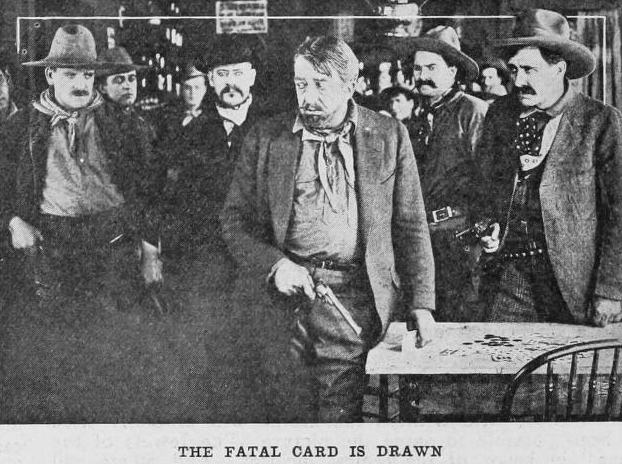
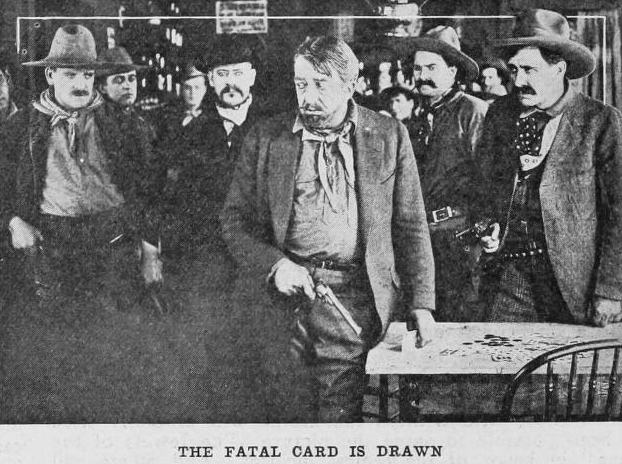
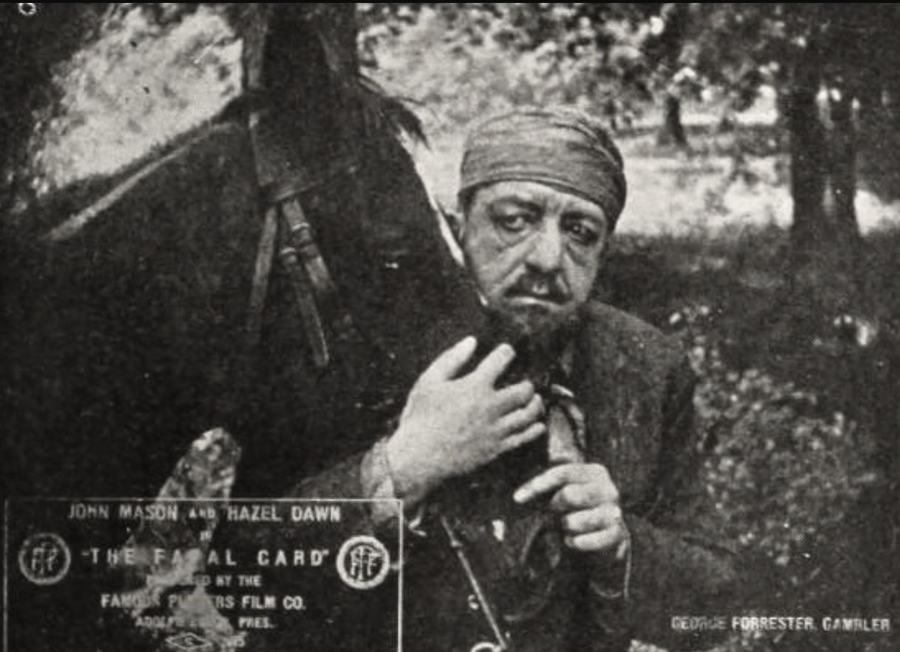
In the dusty, lawless periphery of the American frontier, George Forrester operates as a Machiavellian cardsharp, exerting a stranglehold over a small mining community through sheer intimidation and sleight of hand. His reign of petty tyranny is momentarily fractured when the local populace, weary of his chicanery, attempts a lynching—only for Forrester’s loyal cohorts to orchestrate a violent reprieve. Parallel to this moral vacuum is the ascent of Gerald Austen, a man who fled the suffocating paternalistic despotism of the East to carve out a legitimate fortune in the West. Their destinies collide when Forrester’s gang intercepts Austen’s payroll. Captured and facing the gallows, Forrester is unexpectedly spared by Austen’s intervention. In a moment of genuine, albeit fleeting, pathos, Forrester bisects a playing card, bequeathing half to his savior as a covenant of future recompense. The narrative then shifts to the urban artifice of the East, where Forrester has reinvented himself as the respectable 'Marrable,' living for the sake of his daughter, Margaret. When Austen returns home and falls for Margaret, the past returns as a spectral threat in the form of Forrester’s old criminal associates. They demand his complicity in a heist against Austen’s father. A fatal confrontation ensues, leaving the elder Austen dead and the younger Austen framed by a confluence of circumstantial evidence. The resolution hinges on that severed scrap of pasteboard—the fatal card—which forces a final, transformative sacrifice from a man who spent his life cheating fate, only to find that blood and honor demand a higher stake than any poker game.
Synopsis
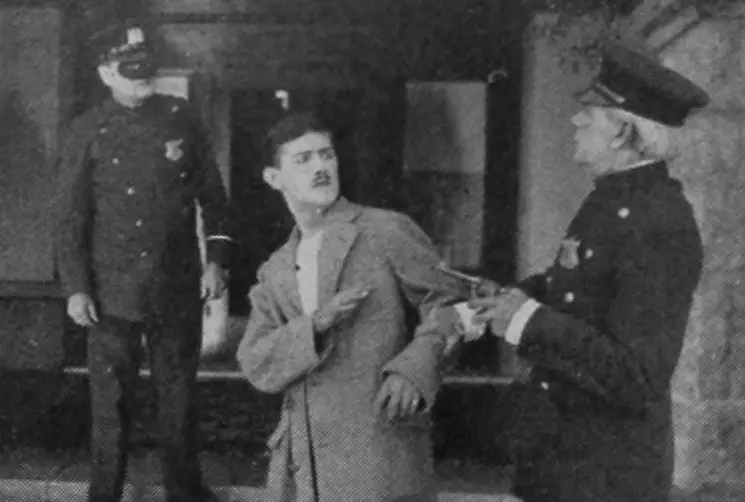
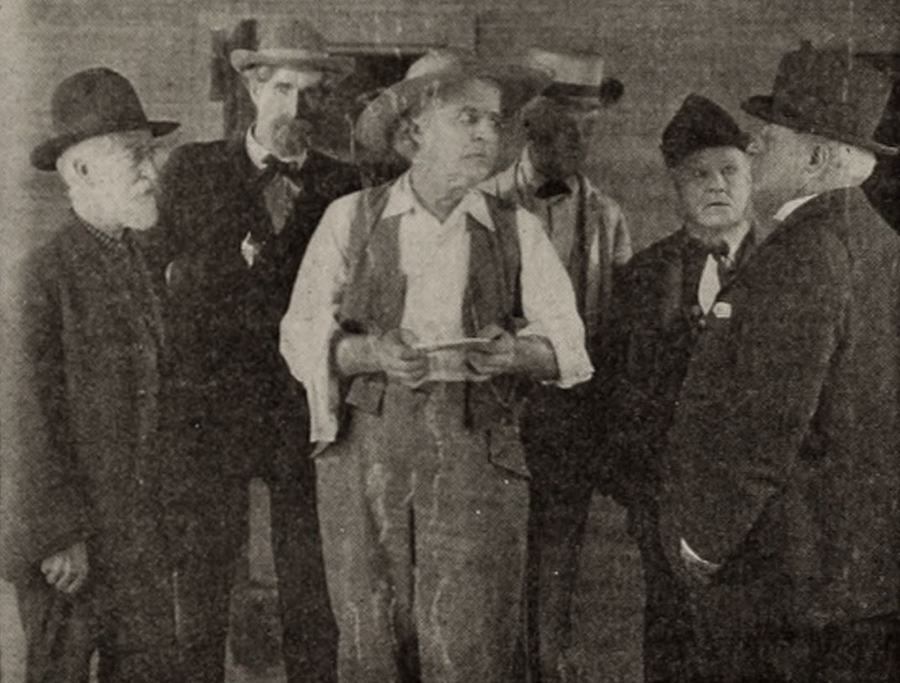
A notorious gambler and card cheat, George Forrester, rules a little western town with an iron hand. The men of the town plot to catch him cheating and do, but his men save him from danger. In the same town lives Gerald Austen, or Aitkens, who had left his tyrannical father in the east and made good in the west. Later, Forrester and his men rob a payroll messenger for Austen's enterprise. Forrester is apprehended and is about to be hung when Austen saves his life. The man has just been scribbling a message to his daughter who lives in the east and who believes her father a prosperous mine operator. On being saved he tears the card in two and gives half to Austen, saying that if he ever needs a friend that will be his passport. Forrester then returns east, rejoins his daughter and assumes his real name of Marrable. Austen also goes east under his real name of Aitkens and the men later meet but do not recognize each other. Austen falls in love with Margaret Marrable. Marrable's happiness, however, is curtailed by the arrival of his former western associates who threaten to expose his identity if he does not aid them in robbing Austen's father of a shipment of English bonds. He is forced to consent. The gang rents offices opposite those of Austen and await the day of shipment, July 4. Fortune plays into their hands when the boy visits his father to obtain consent for marriage to Margaret. The father refuses and a stormy quarrel ensues, which employees overhear. The son leaves his walking stick. The conspirators enter the office. In order to quiet the elder Austen they hit him over the head with the stick. The blow kills him. The boy returns to make up, finds the door locked and leaves. The others then escape, taking the key with them. Later, the son overhears the gang dividing the spoils. He makes his presence known. They tell him that his death is inevitable. He asks Marrable to take a card out of his pocketbook. Marrable finds it. It is the fatal card. He now knows that Margaret's fiancé is the man who saved his life. In gratitude he takes upon himself responsibility for the crime and makes a supreme sacrifice, paving the way for the lovers' ultimate happiness.
Review Excerpt
"
The Duality of the American Soul: A Review of The Fatal Card
Cinema in 1915 was an art form in the throes of a violent adolescence, shedding the skin of theatrical artifice to embrace a more kinetic, visual language. The Fatal Card, directed with a palpable sense of escalating dread, stands as a quintessential artifact of this era. It is a film that refuses to be pigeonholed, beginning as a dusty, sweat-stained Western before transmuted into a high-stakes social tragedy set against the backdr..."