
DbcultAccessing Vault...
Director's Spotlight
Senior Film Conservator
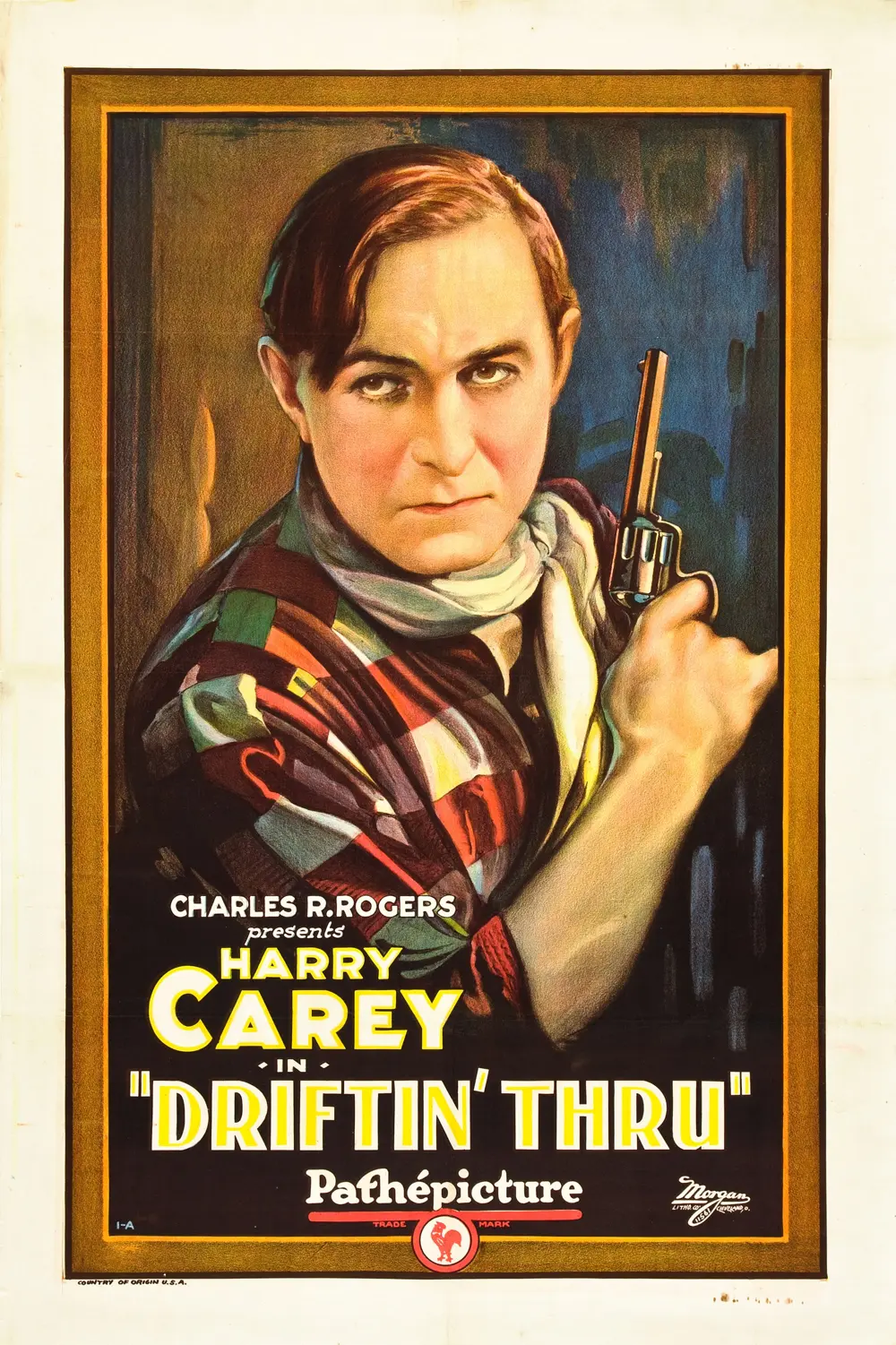
Director's Spotlight: United States
A Deep Dive into the 1926 Vision of Scott R. Dunlap
As we revisit the 1926 masterpiece Driftin' Thru, we are struck by the meticulous attention to detail that Scott R. Dunlap applied to every frame. Anchored by a narrative that is both personal and universal, it bridges the gap between traditional Western and contemporary vision.
In Driftin' Thru, Scott R. Dunlap pushes the boundaries of conventional narrative. The film's unique approach to its subject matter has sparked endless debates and interpretations among cinephiles and critics alike.
To fully appreciate Driftin' Thru, one must consider the cinematic climate of 1926. During this period, United States was undergoing significant artistic shifts, and Scott R. Dunlap was at the forefront of this Western movement, often challenging established norms.
| Cinematography | Static |
| Soundtrack | Orchestral |
| Editing | Slow-Burn |
| Art Direction | Brutalist |
Visualizing the convergence of Scott R. Dunlap's style and the core Western narrative.
Drifting through the Southwest with "Kentuck," his donkey companion, Daniel Brown stops in a town to get bullets to put down the wounded animal. Stopping in a gambling parlor, he is unjustly accused of murdering the proprietor, "Bull" Dunn. Dan escapes from the sheriff, steals a horse, jumps from the steed onto a train, and is hidden by a girl in her Pullman compartment. He later takes refuge with a prospector and learns that the girl who so generously helped him on the train owns a nearby ranch, which, unknown to her, holds rich gold deposits. Joe Walters, the ranch foreman, is plotting with Stella Dunn, the widow of the murdered gambler, to buy the girl's ranch for a pittance. With the help of the old prospector, Dan prevents the sale; and, when he is about to be arrested by the sheriff, the widow Dunn confesses to having murdered her husband.
Decades after its release, Driftin' Thru remains a vital piece of the cinematic puzzle. Its influence can be seen in countless modern works, solidifying Scott R. Dunlap's status as a master of the craft in United States and beyond.