
DbcultAccessing Vault...
Director's Spotlight
Senior Film Conservator
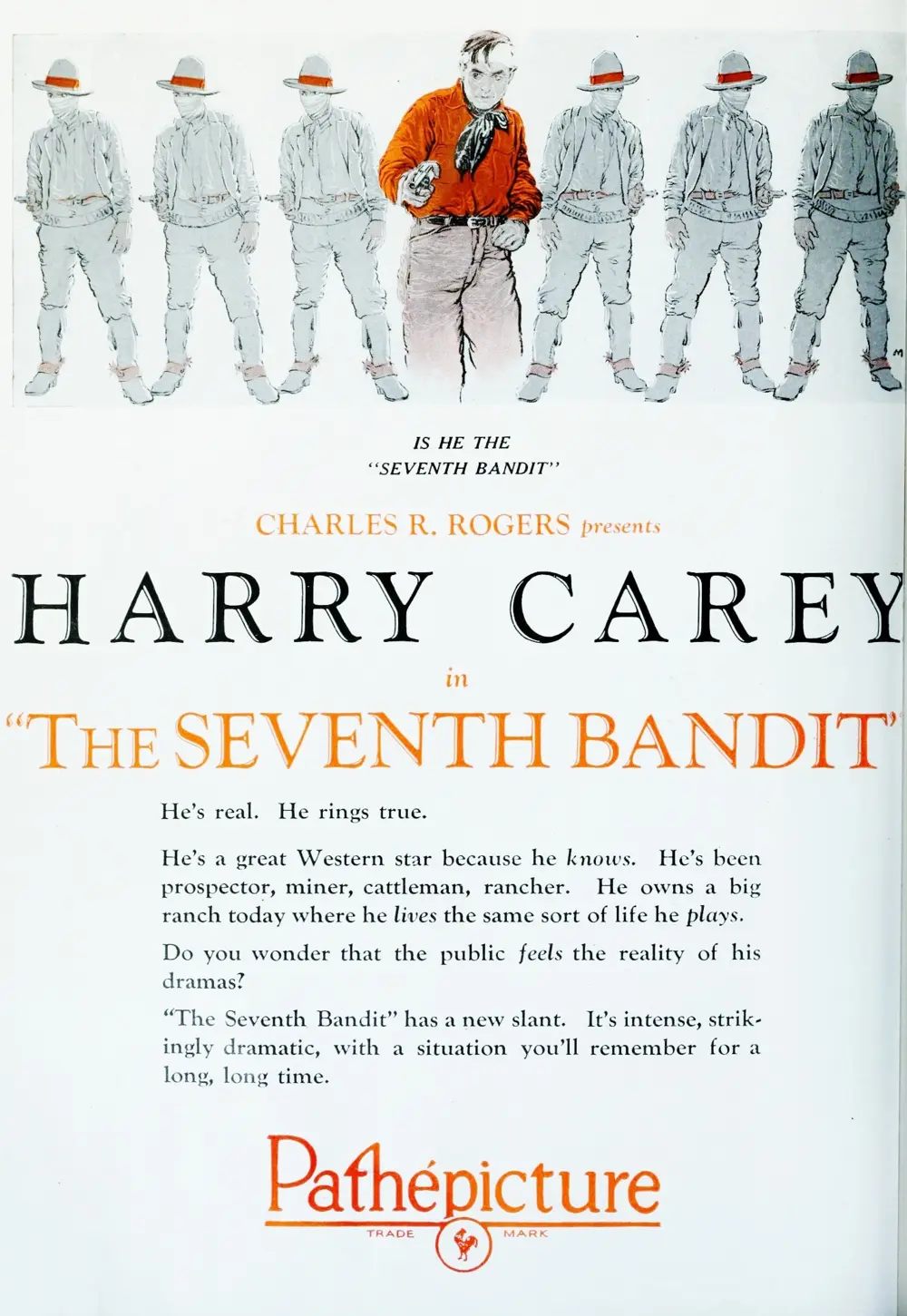
Director's Spotlight: United States
A Deep Dive into the 1926 Vision of Scott R. Dunlap
As we revisit the 1926 masterpiece The Seventh Bandit, we are struck by the atmospheric immersion that Scott R. Dunlap achieves throughout The Seventh Bandit. Exploring the nuances of the human condition with Drama flair, it solidifies Scott R. Dunlap's reputation as a master of the craft.
In The Seventh Bandit, Scott R. Dunlap pushes the boundaries of conventional narrative. The film's unique approach to its subject matter has sparked endless debates and interpretations among cinephiles and critics alike.
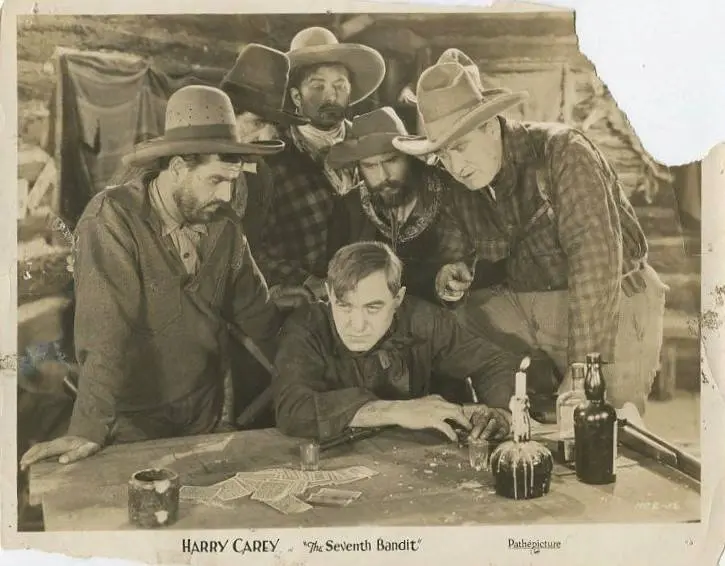
The visual language of The Seventh Bandit is defined by its use of shadows and framing, a hallmark of Scott R. Dunlap's style. By utilizing a 1926-era palette, the film creates an immersive experience that perfectly complements its Drama themes.
| Cinematography | Static |
| Soundtrack | Diegetic |
| Editing | Elliptical |
| Art Direction | Expressionist |
Visualizing the convergence of Scott R. Dunlap's style and the core Drama narrative.
David Scanlon and his brother, Paul, leave their farm and go to California during the gold rush. Paul falls in love with Ann Drath, a dance hall pianist, and is murdered by jealous Ben Goring. David swears revenge and, working on a tip from Ann, poses as an outlaw, joining Goring's bandit band. During a raid on the town bank, David is wounded. Goring abducts Shirley Chalmette, the town doctor, to care for David's head wound, but despite her care David begins to lose his sight. He manages to force Goring to sign a confession, however, and then, although completely blind, kills him in a gunfight. With careful treatment by Dr. Chalmette, his new wife, David recovers full use of his sight.
Decades after its release, The Seventh Bandit remains a vital piece of the cinematic puzzle. Its influence can be seen in countless modern works, solidifying Scott R. Dunlap's status as a master of the craft in United States and beyond.