
DbcultAccessing Vault...
Director's Spotlight
Senior Film Conservator
Director's Spotlight: United States
A Deep Dive into the 1922 Vision of Scott R. Dunlap
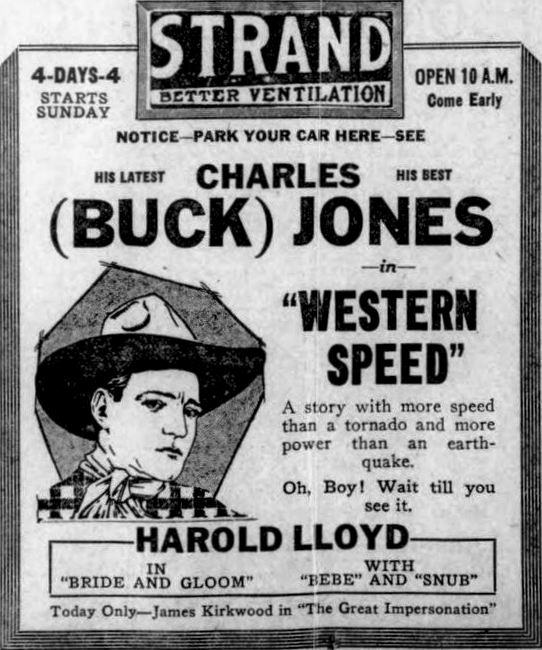
Deciphering the layers of Western Speed (1922) reveals the complex thematic architecture established by Scott R. Dunlap. Utilizing a 1922-specific aesthetic that remains timeless, it stands as the definitive 1922 statement on Western identity.
In Western Speed, Scott R. Dunlap pushes the boundaries of conventional narrative. The film's unique approach to its subject matter has sparked endless debates and interpretations among cinephiles and critics alike.
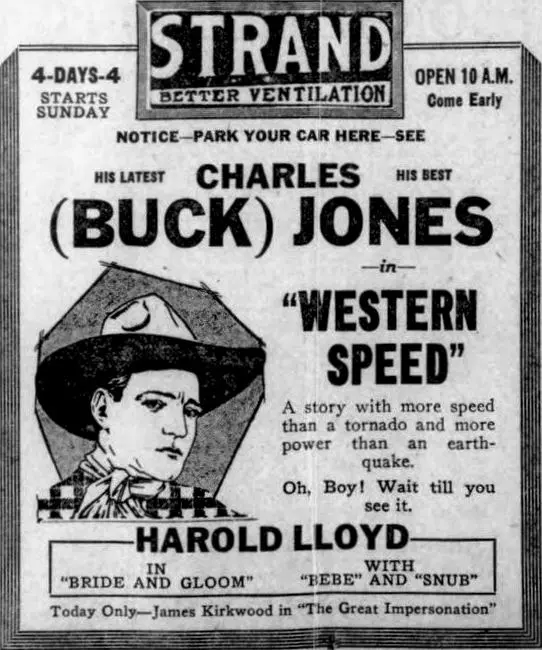
The visual language of Western Speed is defined by its use of shadows and framing, a hallmark of Scott R. Dunlap's style. By utilizing a 1922-era palette, the film creates an immersive experience that perfectly complements its Western themes.
| Cinematography | Noir-Inspired |
| Soundtrack | Experimental |
| Editing | Elliptical |
| Art Direction | Expressionist |
Visualizing the convergence of Scott R. Dunlap's style and the core Western narrative.
Ben Lorimer and his daughter, Dot, are received with suspicion in a western town; when "Red" Kane rescues Dot, however, he wins her confidence and learns that Lorimer has adopted a new name and is wanted for a crime in Colorado for which he is not guilty. Trying to protect them from the sheriff and his posse, Red is wounded, but Dot nurses him. "Spunk" Lemm circulates rumors that Red is hiding behind a woman's skirts; Red engages in a fight with Spunk and, thinking he has killed him, returns to the hills; there he discovers the men who robbed the express office and gets a confession that clears Lorimer of the crime in Colorado. After resolving his difficulties, Red claims Dot as his future wife.
Decades after its release, Western Speed remains a vital piece of the cinematic puzzle. Its influence can be seen in countless modern works, solidifying Scott R. Dunlap's status as a master of the craft in United States and beyond.