
DbcultAccessing Vault...
Director's Spotlight
Senior Film Conservator
Director's Spotlight: United States
A Deep Dive into the 1924 Vision of Scott Sidney
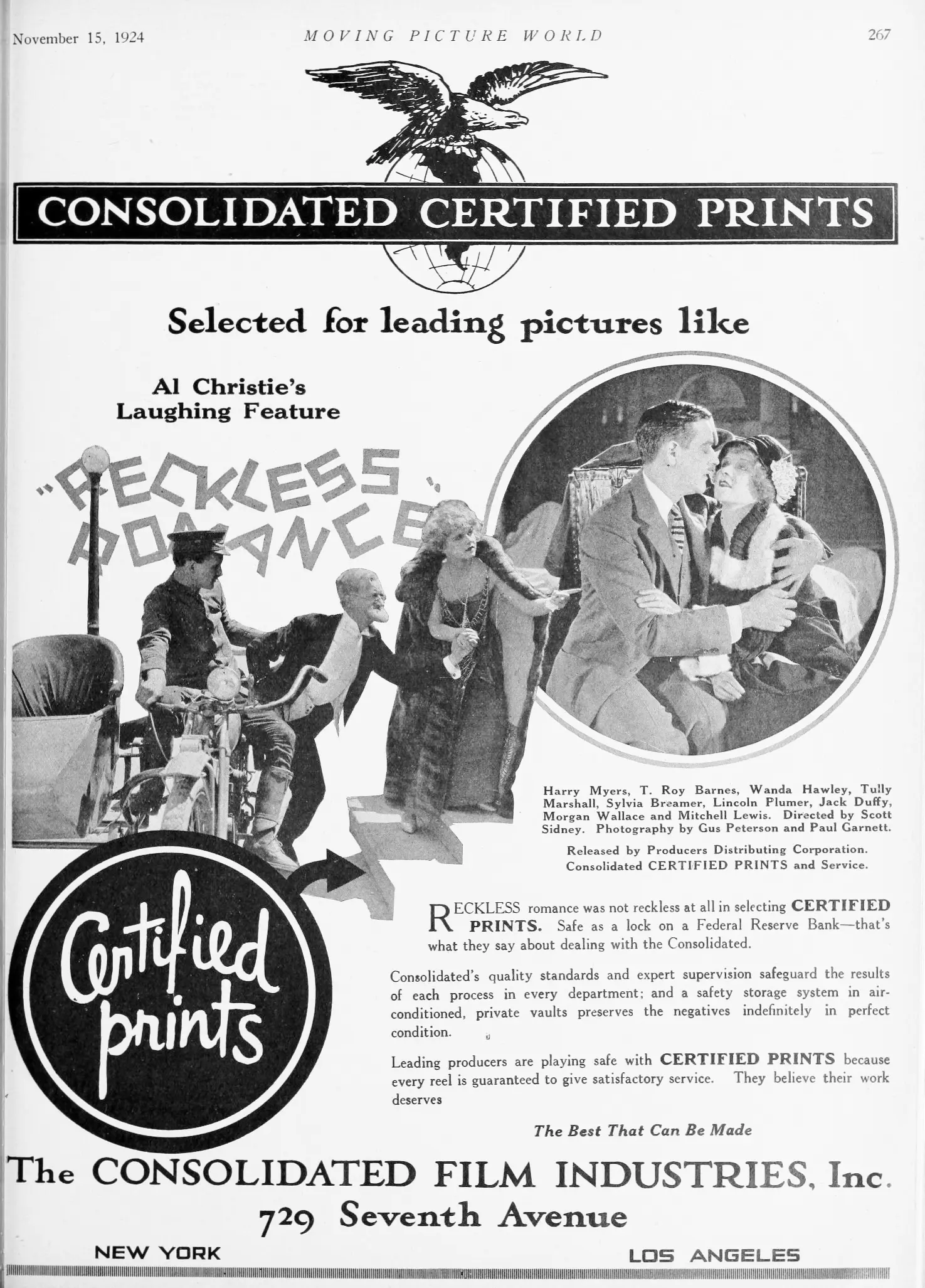
Analyzing Reckless Romance (1924) requires a deep dive into the defining moment in Comedy history that Scott Sidney helped create. Defining a new era of United States artistic expression, it transcends regional boundaries to tell a universal story.
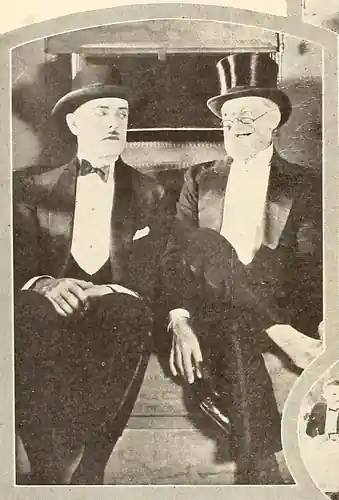
In Reckless Romance, Scott Sidney pushes the boundaries of conventional narrative. The film's unique approach to its subject matter has sparked endless debates and interpretations among cinephiles and critics alike.
| Cinematography | High-Contrast |
| Soundtrack | Minimalist |
| Editing | Disjunctive |
| Art Direction | Baroque |
Visualizing the convergence of Scott Sidney's style and the core Comedy narrative.
Jerry Warner falls in love with Edith Somers but cannot obtain her father's permission to marry her. Jerry is given $10,000 by his uncle, however, and makes a proposition to Edith's father: if Jerry can retain the money for 30 days, Edith's father will withdraw his objections to the marriage. Edith's father agrees. Jerry immediately invests half of the money in an apparently worthless stock and lends the other half to a friend. Desperate for money, Jerry then accepts the offer made by his friends, Beatrice and Christopher Skinner, that he act as the corespondent in a temporary divorce they must obtain in order to prevent Christopher's disinheritance. After numerous complications, the Skinners manage to stay married, and the value of Jerry's stock doubles, enabling him to claim Edith for his own.
Decades after its release, Reckless Romance remains a vital piece of the cinematic puzzle. Its influence can be seen in countless modern works, solidifying Scott Sidney's status as a master of the craft in United States and beyond.