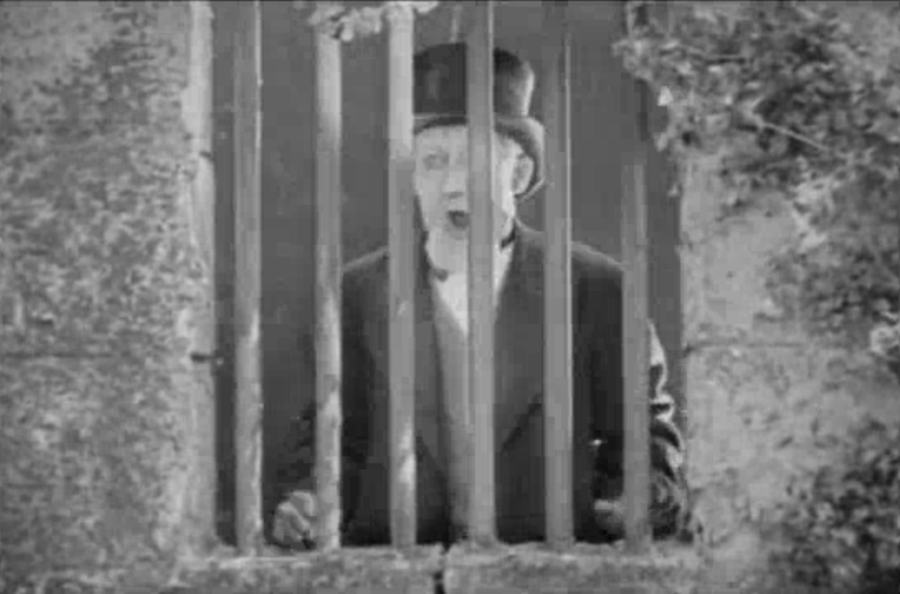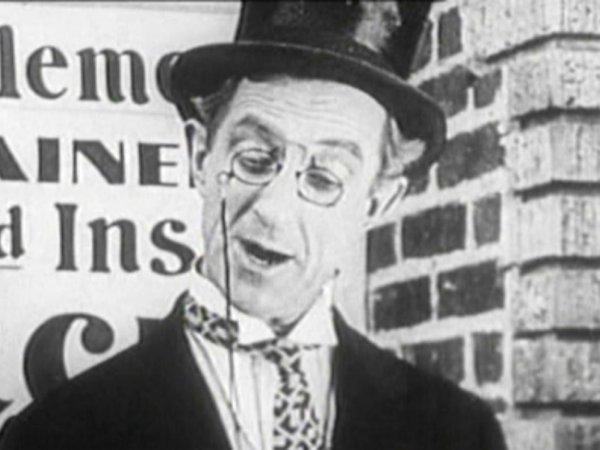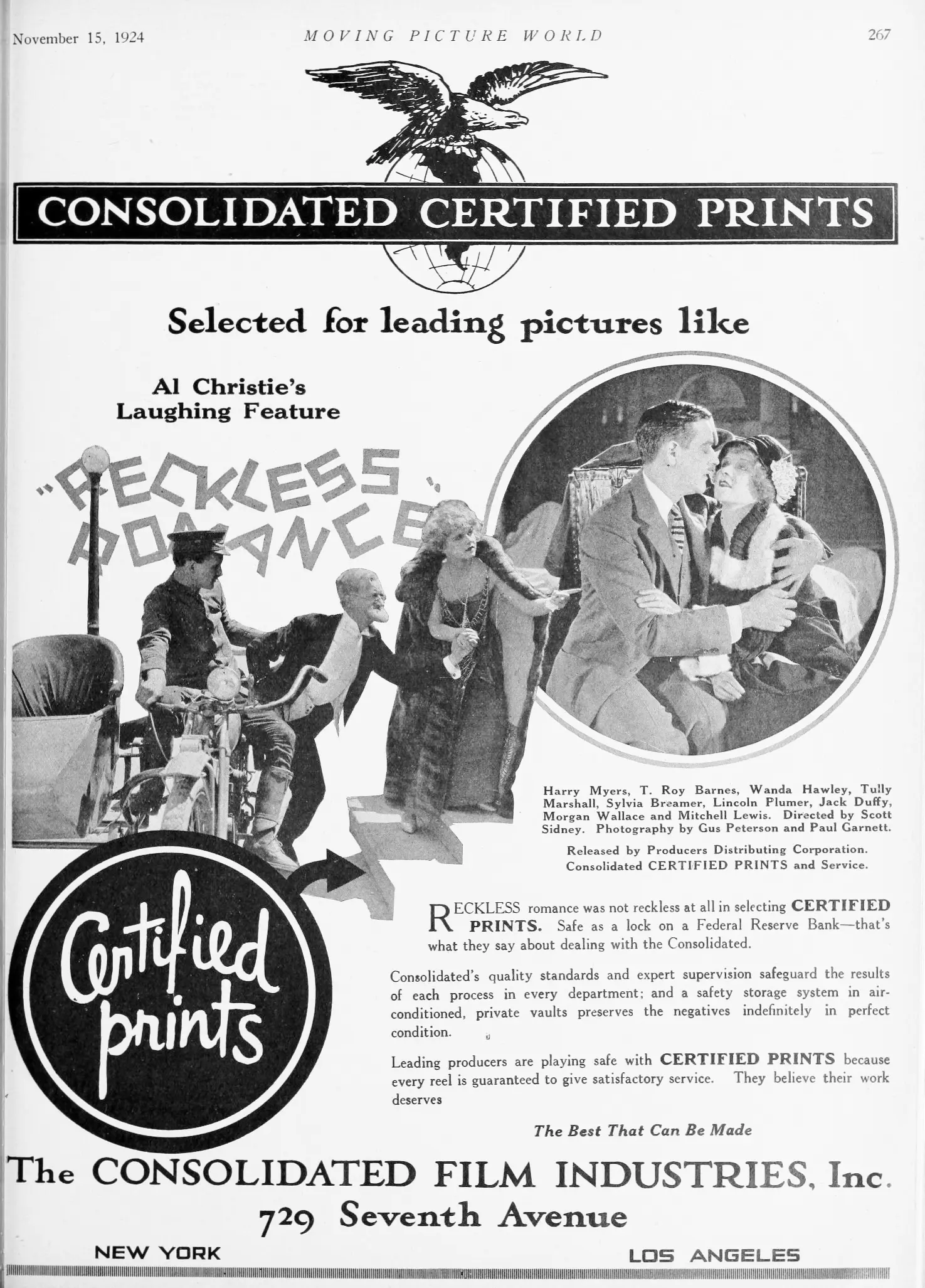
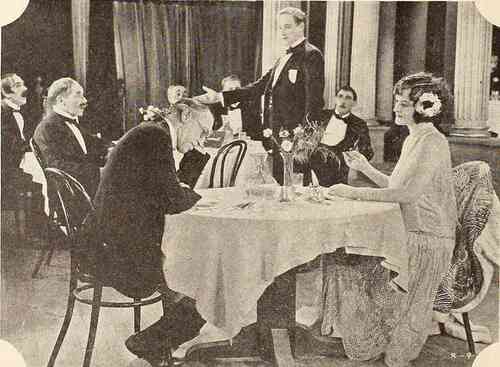
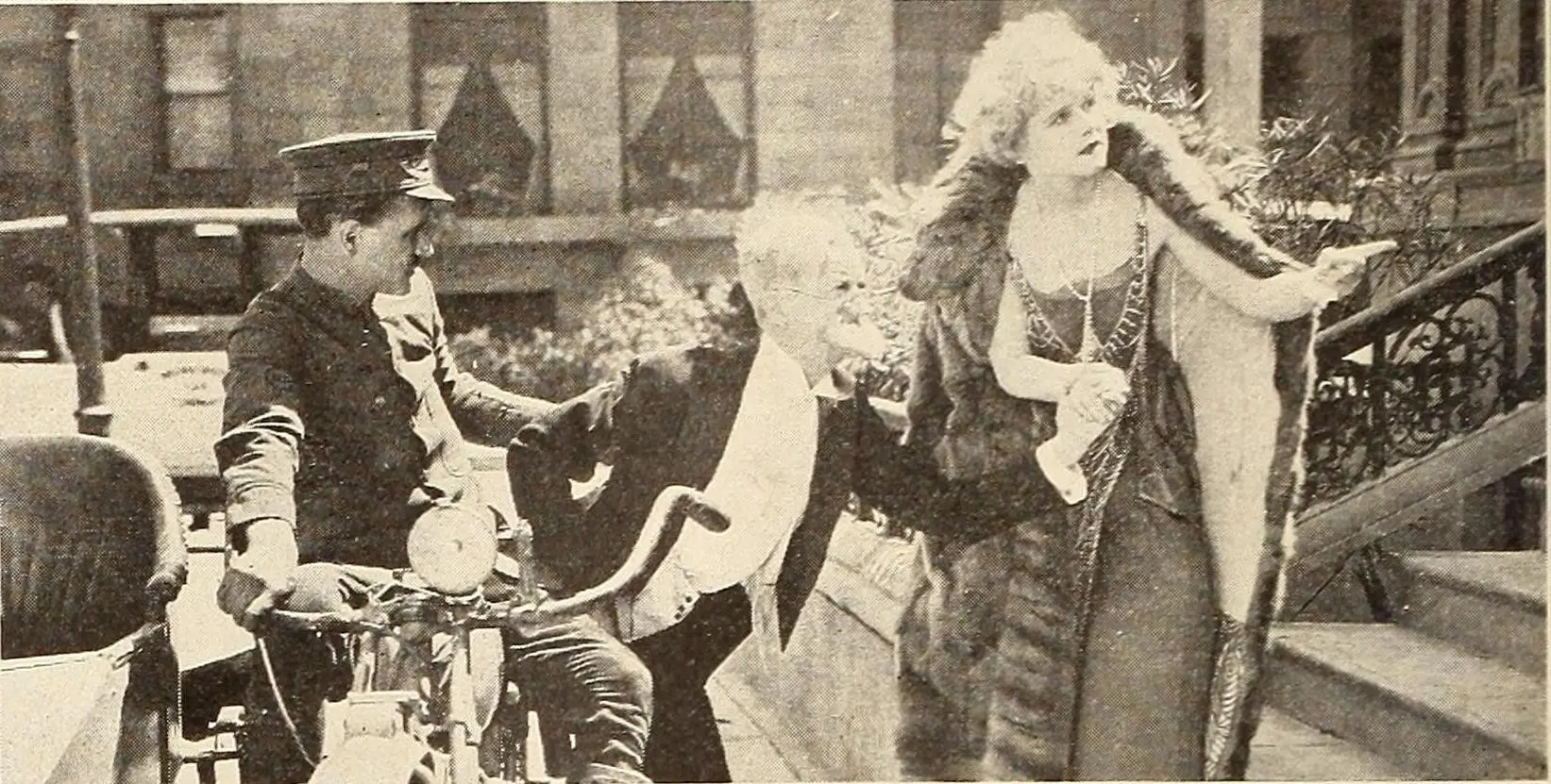
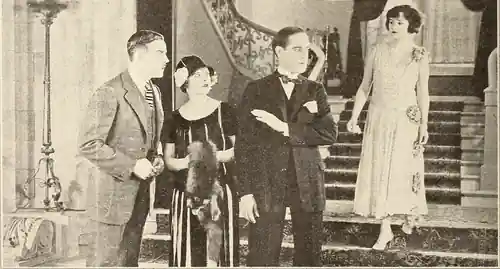
Jerry Warner falls in love with Edith Somers but cannot obtain her father's permission to marry her. Jerry is given $10,000 by his uncle, however, and makes a proposition to Edith's father: if Jerry can retain the money for 30 days, Edith's father will withdraw his objections to the marriage.
The silent era was a crucible for the frantic, the absurd, and the profoundly optimistic. In the 1924 production of Reckless Romance, we find a cinematic artifact that perfectly encapsulates the nervous energy of the post-war boom. It is a film that treats marriage not as a romantic ideal, but as a bureaucratic hurdl...
still_frame
still_frame
still_frame
still_frame
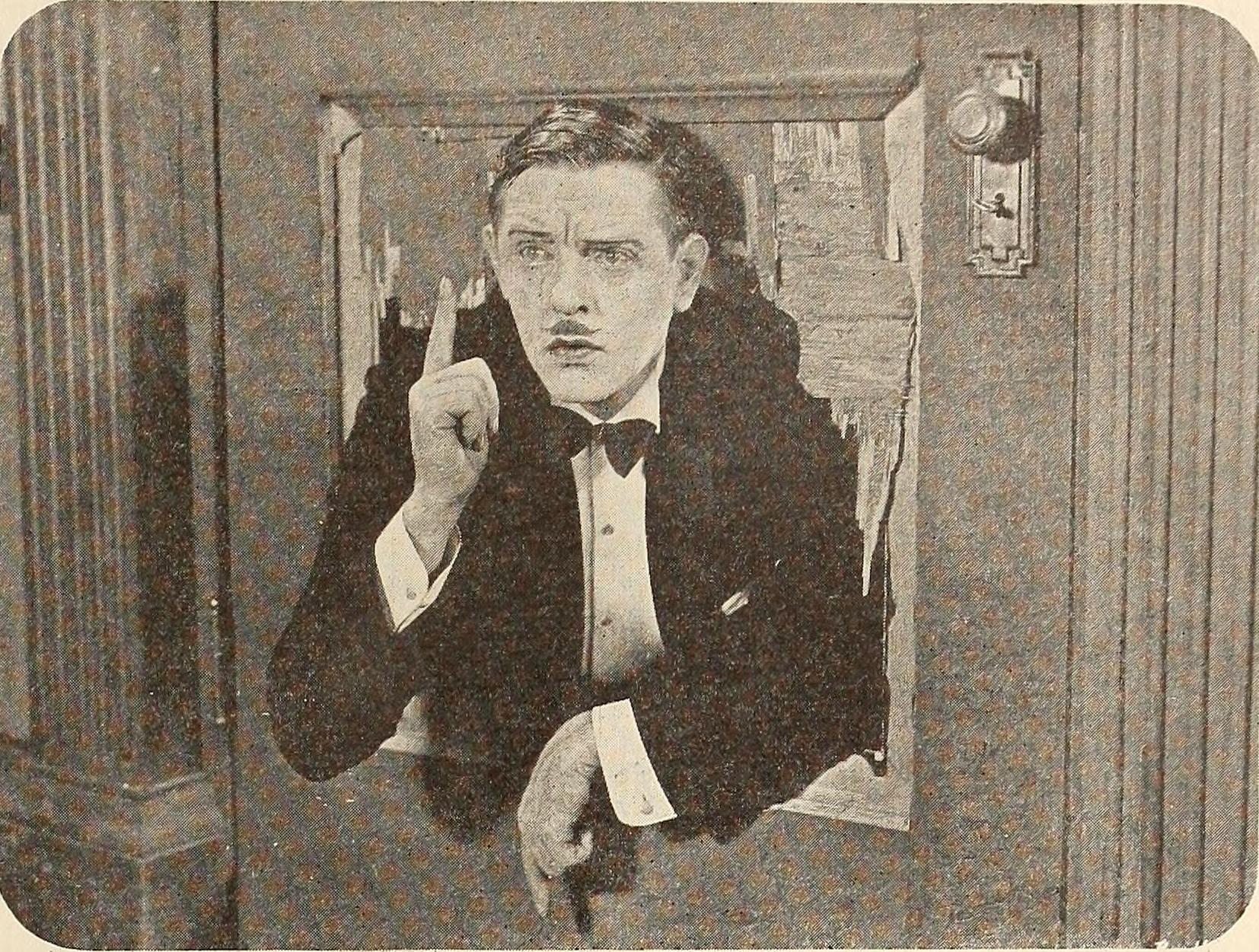
still_frame
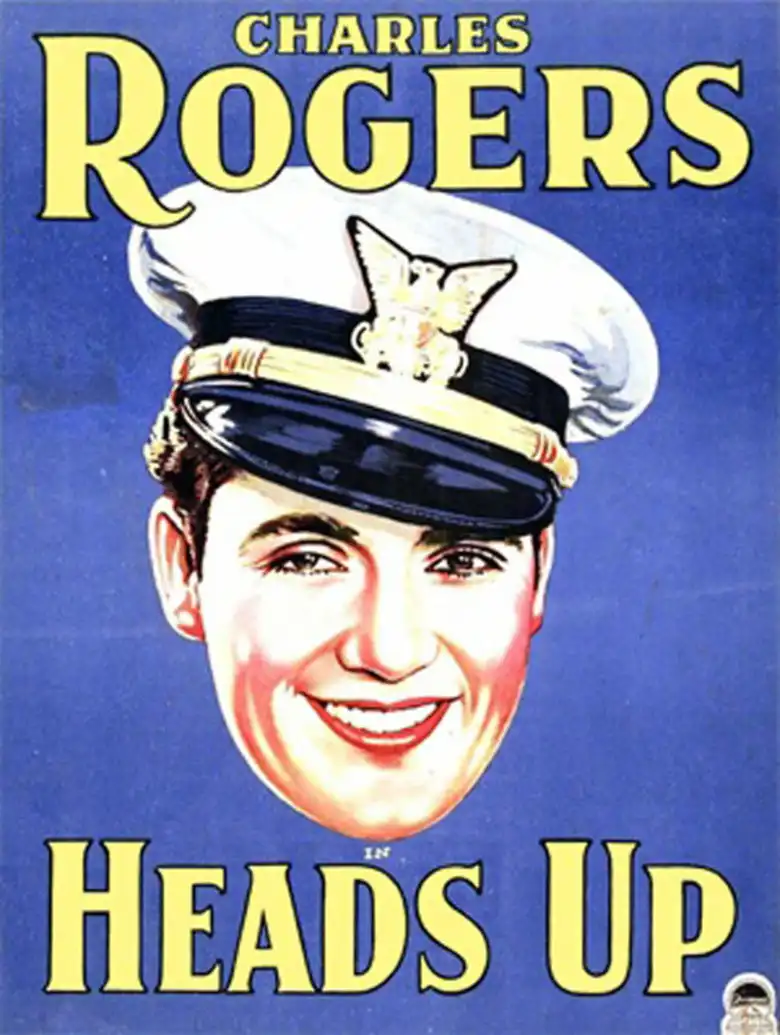
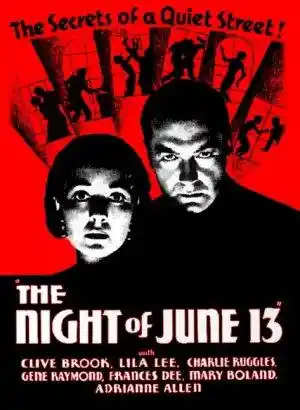
Comparing the cinematic DNA and archive impact of two defining moments in cult history.
Scott Sidney

Scott Sidney
Community
Log in to comment.
" The silent era was a crucible for the frantic, the absurd, and the profoundly optimistic. In the 1924 production of Reckless Romance, we find a cinematic artifact that perfectly encapsulates the nervous energy of the post-war boom. It is a film that treats marriage not as a romantic ideal, but as a bureaucratic hurdle, and wealth not as a steady state, but as a volatile liquid that must be contained within the vessel of a thirty-day bet. As a critic who has waded through the heavy moralism of ..."
Joseph Farnham, Herbert Hall Winslow, Walter Woods, Emil Nyitray, F. McGrew Willis
United States