
DbcultAccessing Vault...
Director's Spotlight
Senior Film Conservator
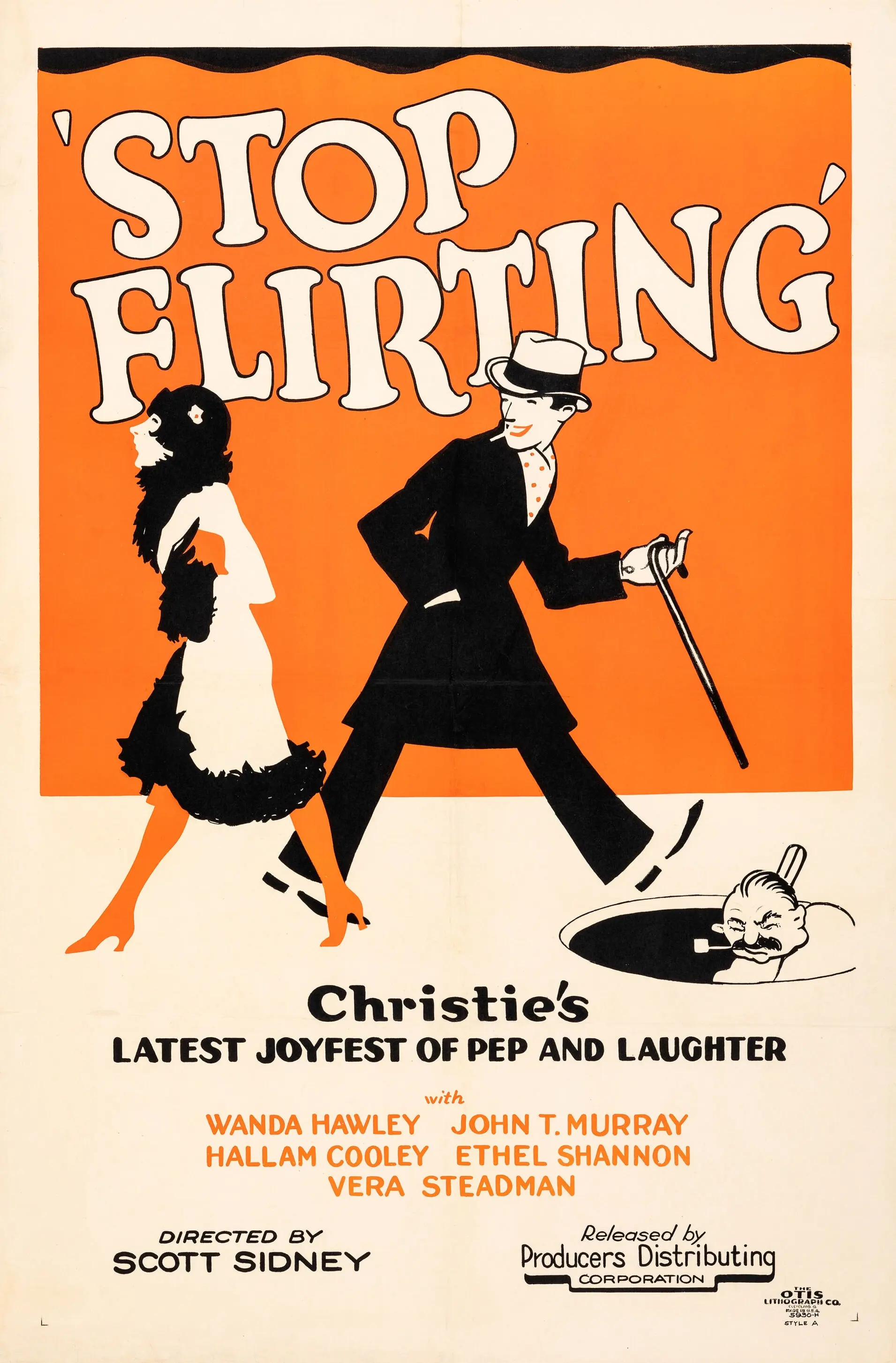
Director's Spotlight: United States
A Deep Dive into the 1925 Vision of Scott Sidney
Exploring the Comedy underpinnings of Stop Flirting leads us to the stylistic boundaries pushed by Scott Sidney during the production. Through a lens of existential fatalism and Comedy tropes, it continues to spark endless debates among critics and cinephiles alike.
In Stop Flirting, Scott Sidney pushes the boundaries of conventional narrative. The film's unique approach to its subject matter has sparked endless debates and interpretations among cinephiles and critics alike.
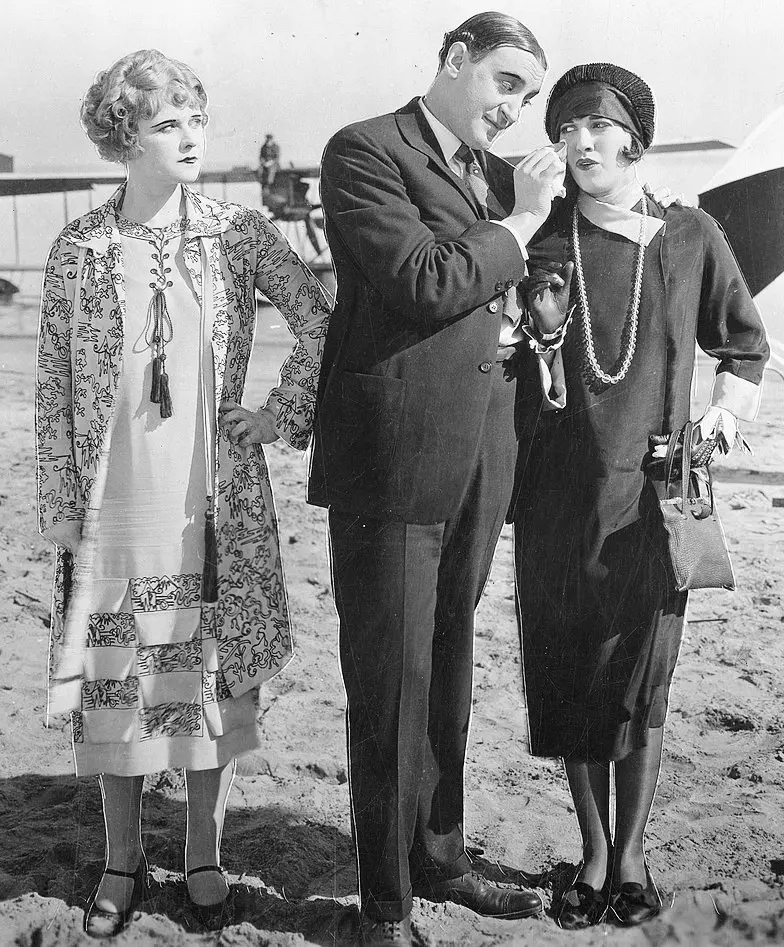
The visual language of Stop Flirting is defined by its use of shadows and framing, a hallmark of Scott Sidney's style. By utilizing a 1925-era palette, the film creates an immersive experience that perfectly complements its Comedy themes.
| Cinematography | Static |
| Soundtrack | Minimalist |
| Editing | Slow-Burn |
| Art Direction | Brutalist |
Visualizing the convergence of Scott Sidney's style and the core Comedy narrative.
Perry and Vivian Reynolds are on their honeymoon when Vivian finds Perry with a girl in his arms; he explains that he merely caught her when she slipped, and Vivian is satisfied about his fidelity. Shortly thereafter, Vivian finds Perry with a girl sitting on his lap and quickly decides to teach him a lesson, flirting with everything in pants, including a Scotsman. Perry is enraged and, on the advice of his friend, Geoffrey, boards a small plane bound for Hawaii. Geoffrey follows the plane in a boat, and Perry jumps out, returning to land and hiding in his own boathouse. The plane on which Perry was riding crashes, and Vivian is disconsolate. She later discovers that Perry is alive, and she resumes her mad flirting. A policeman reports that there is a lunatic on the loose, and Perry, disguising himself as the Hunchback of Notre Dame, crashes one of Vivian's wild parties. After some confusion, Perry and Vivian are reconciled.
Decades after its release, Stop Flirting remains a vital piece of the cinematic puzzle. Its influence can be seen in countless modern works, solidifying Scott Sidney's status as a master of the craft in United States and beyond.