
DbcultAccessing Vault...
Director's Spotlight
Senior Film Conservator
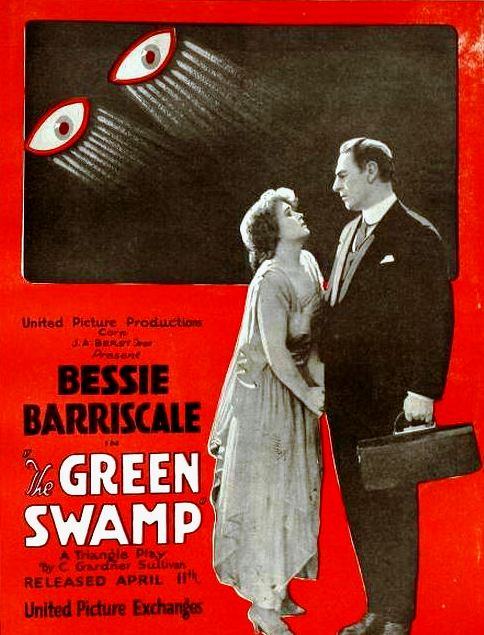
Director's Spotlight: United States
A Deep Dive into the 1916 Vision of Scott Sidney
The thematic gravity of The Green Swamp (1916) is rooted in the artistic risks taken by Scott Sidney that eventually paid off. Defining a new era of United States artistic expression, it demands to be seen by anyone who cares about the art of film.
In The Green Swamp, Scott Sidney pushes the boundaries of conventional narrative. The film's unique approach to its subject matter has sparked endless debates and interpretations among cinephiles and critics alike.
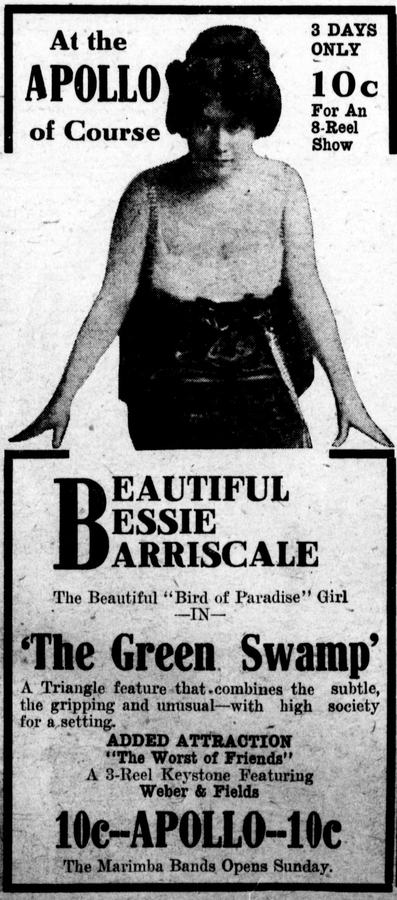
While deeply rooted in United States, The Green Swamp has achieved a global reach, influencing directors from various backgrounds. Its ability to translate cult tropes into a universal cinematic language is why it remains a cult staple decades after its 1916 release.
| Cinematography | Static |
| Soundtrack | Experimental |
| Editing | Elliptical |
| Art Direction | Expressionist |
Visualizing the convergence of Scott Sidney's style and the core cult narrative.
Most of the patients of Dr. Ward Allison are women, and his wife Margery is becoming increasingly jealous of all the time he spends with them. One day he tells her that he has been called out of town, but she is told that he is really staying at the house of a friend and colleague, Dr. Hendon, and the two are planning wild parties with their female patients. What she finds out, however, is even more shocking than what she expected.
Decades after its release, The Green Swamp remains a vital piece of the cinematic puzzle. Its influence can be seen in countless modern works, solidifying Scott Sidney's status as a master of the craft in United States and beyond.