
DbcultAccessing Vault...
Director's Spotlight
Senior Film Conservator
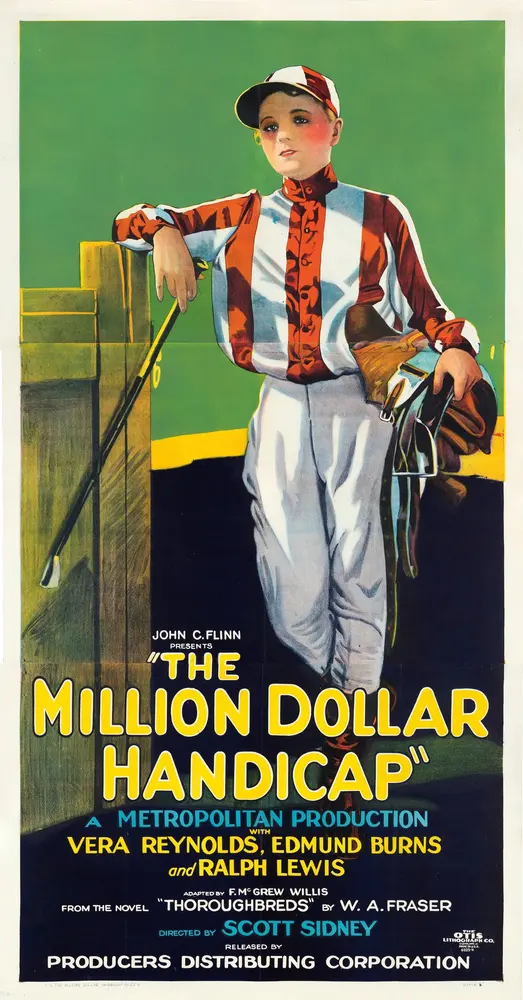
Director's Spotlight: United States
A Deep Dive into the 1926 Vision of Scott Sidney
Exploring the Comedy underpinnings of The Million Dollar Handicap leads us to the stylistic boundaries pushed by Scott Sidney during the production. Through a lens of existential fatalism and Comedy tropes, it continues to spark endless debates among critics and cinephiles alike.
In The Million Dollar Handicap, Scott Sidney pushes the boundaries of conventional narrative. The film's unique approach to its subject matter has sparked endless debates and interpretations among cinephiles and critics alike.
| Cinematography | Handheld |
| Soundtrack | Experimental |
| Editing | Elliptical |
| Art Direction | Expressionist |
Visualizing the convergence of Scott Sidney's style and the core Comedy narrative.
John Porter, a southern horse breeder, buys a filly named Dixie after she puts up a strong showing in a race, discovering later that the animal had been doped for the contest. Porter is paralyzed later from a fall from a horse, and his son, Alan, embezzles a sum of money from the bank in order to straighten out the family finances. George Mortimer, who is in love with Alan's sister, Alis, takes the blame for the crime and is discharged from his job. Alis enters Dixie in a race and, disguised as a boy, rides the horse to victory. Alis' father is cured by the excitement, Alan's accounts are balanced, and George looks forward to a life with Alis.
Decades after its release, The Million Dollar Handicap remains a vital piece of the cinematic puzzle. Its influence can be seen in countless modern works, solidifying Scott Sidney's status as a master of the craft in United States and beyond.