
DbcultAccessing Vault...
Director's Spotlight
Senior Film Conservator
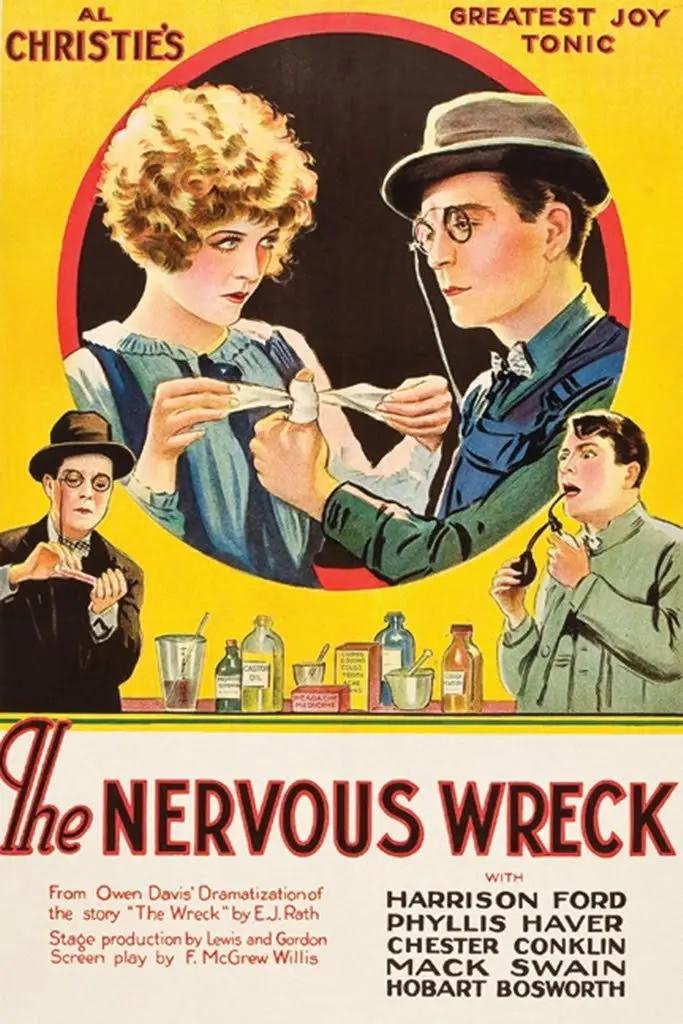
Director's Spotlight: United States
A Deep Dive into the 1926 Vision of Scott Sidney
Witnessing the stylistic transformation of Adventure through The Nervous Wreck reveals the global recognition that Scott Sidney garnered after the release of The Nervous Wreck. Serving as a mirror to the anxieties of a changing world, offering layers of thematic complexity that demand repeated viewing.
In The Nervous Wreck, Scott Sidney pushes the boundaries of conventional narrative. The film's unique approach to its subject matter has sparked endless debates and interpretations among cinephiles and critics alike.
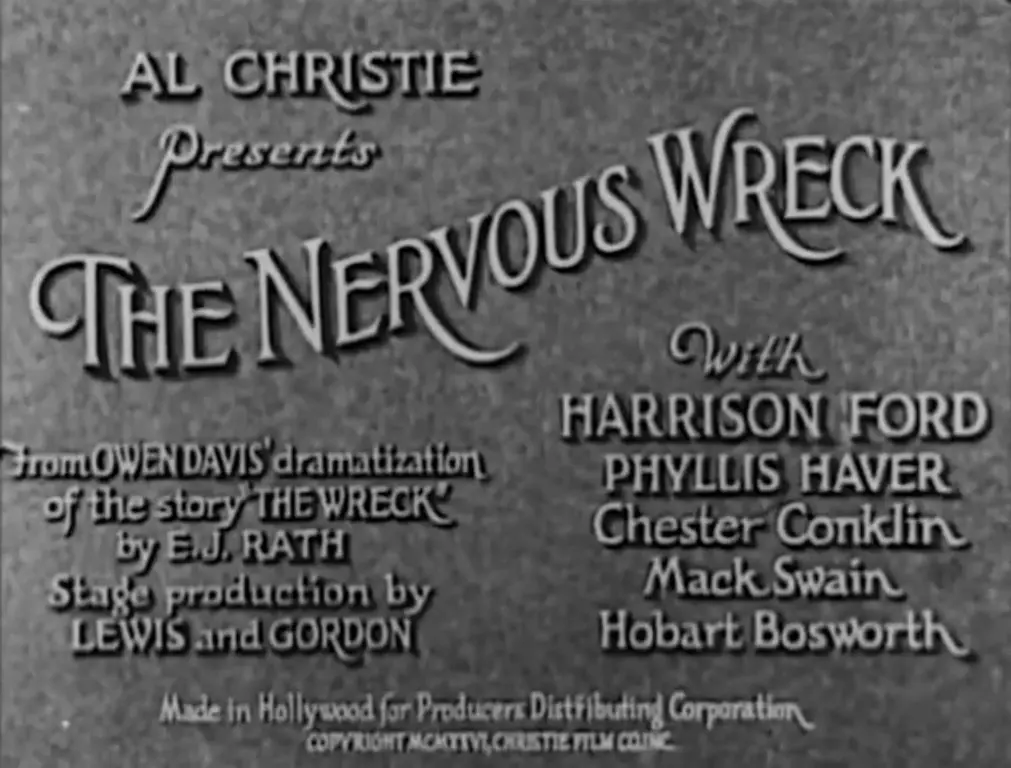
The visual language of The Nervous Wreck is defined by its use of shadows and framing, a hallmark of Scott Sidney's style. By utilizing a 1926-era palette, the film creates an immersive experience that perfectly complements its Adventure themes.
| Cinematography | High-Contrast |
| Soundtrack | Synth-Heavy |
| Editing | Disjunctive |
| Art Direction | Baroque |
Visualizing the convergence of Scott Sidney's style and the core Adventure narrative.
Henry Williams, out in Arizona looking for a cure for his imaginary ills, stops at the ranch of Jud Morgan, and decides to stay. Jud's daughter, Sally, attracts his attention, although she is engaged to be married to Sheriff Bob Wells. Henry rides with her to town, where she wants to go shopping for her wedding clothes, but they run out of gas. No, problem' Henry holds up a passing motorist, with a monkey-wrench, and takes gasoline out of his car. They stop at a ranch where the foreman makes them become the cook and dishwasher. Then Jerome Underwood and his daughter, Harriet, arrive and they recognize Henry and Sally as the ones who held them up for gas. The jealous sheriff adds to the complications.
Decades after its release, The Nervous Wreck remains a vital piece of the cinematic puzzle. Its influence can be seen in countless modern works, solidifying Scott Sidney's status as a master of the craft in United States and beyond.