
DbcultAccessing Vault...
Director's Spotlight
Senior Film Conservator
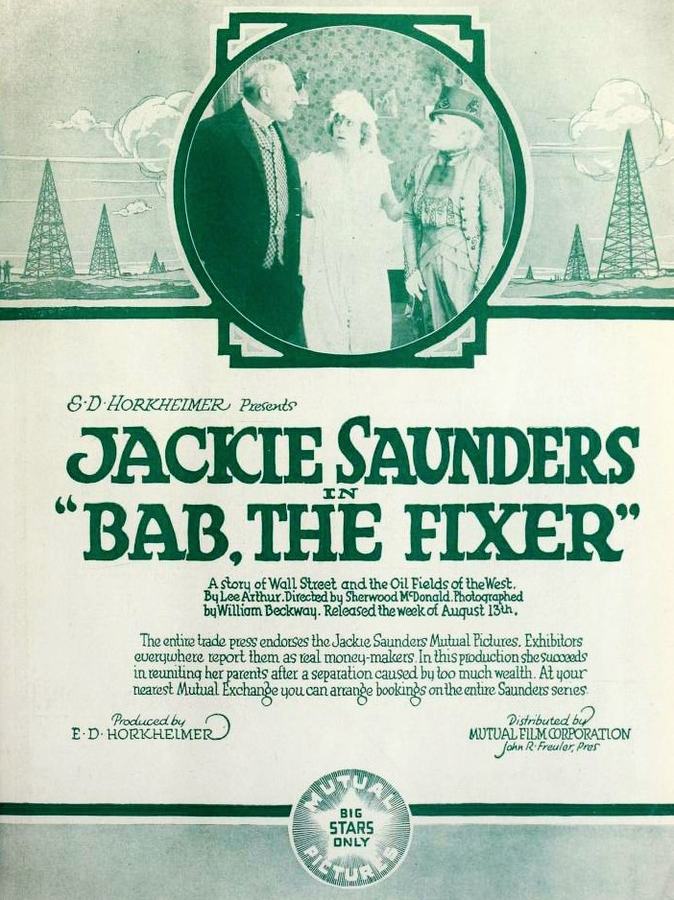
Director's Spotlight: United States
A Deep Dive into the 1917 Vision of Sherwood MacDonald
Witnessing the stylistic transformation of cult through Bab the Fixer reveals the provocative questions that Sherwood MacDonald poses to the United States audience. Exploring the nuances of the human condition with cult flair, it showcases the power of cult as a tool for social commentary.
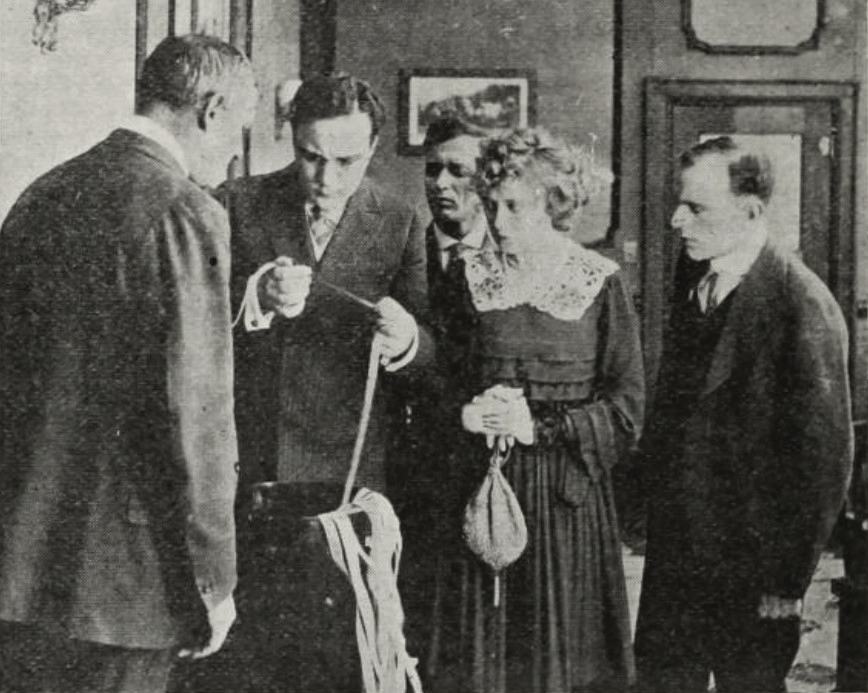
In Bab the Fixer, Sherwood MacDonald pushes the boundaries of conventional narrative. The film's unique approach to its subject matter has sparked endless debates and interpretations among cinephiles and critics alike.
| Cinematography | High-Contrast |
| Soundtrack | Diegetic |
| Editing | Elliptical |
| Art Direction | Expressionist |
Visualizing the convergence of Sherwood MacDonald's style and the core cult narrative.
Having lost his fortune through poor speculation, stockbroker John Porter goes West with his wife and young daughter Bab. After ten years on the ranch, Bab develops into the real cowgirl and falls in love with neighboring ranch owner Richard Sterling, a former clerk who, through shrewd maneuvering, struck it rich. Bab's mother, who has social ambitions, frowns upon the affair, and when oil is discovered on their ranch, she seizes the opportunity to send her daughter back East to finishing school. Returning home for vacation, Bab discovers that her mother and father have separated. Bab then decides to fix everything up, beginning with her parents' marriage and ending with her own wedding to Sterling.
Decades after its release, Bab the Fixer remains a vital piece of the cinematic puzzle. Its influence can be seen in countless modern works, solidifying Sherwood MacDonald's status as a master of the craft in United States and beyond.