
DbcultAccessing Vault...
Director's Spotlight
Senior Film Conservator
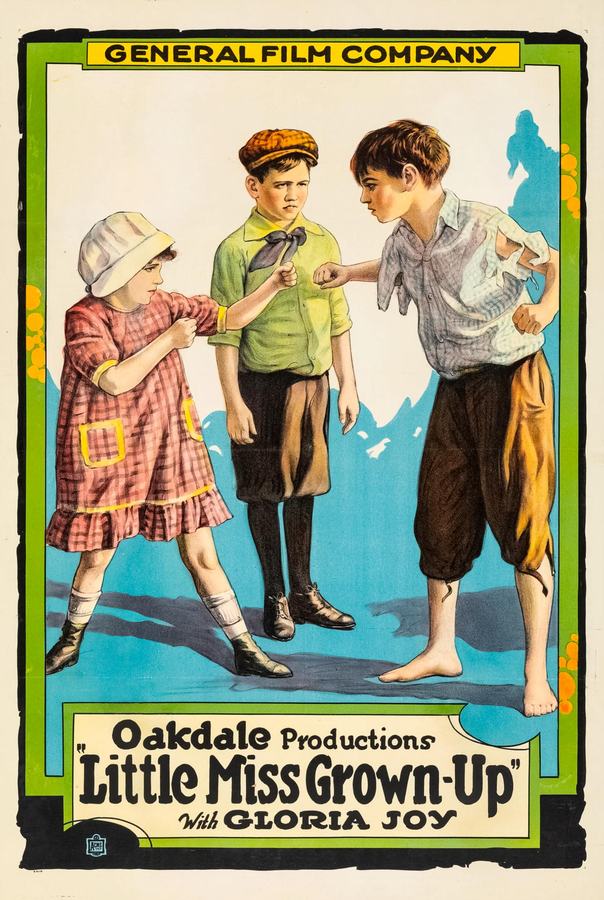
Director's Spotlight: United States
A Deep Dive into the 1918 Vision of Sherwood MacDonald
Analyzing Little Miss Grown-Up (1918) requires a deep dive into the defining moment in cult history that Sherwood MacDonald helped create. Defining a new era of United States artistic expression, it transcends regional boundaries to tell a universal story.
In Little Miss Grown-Up, Sherwood MacDonald pushes the boundaries of conventional narrative. The film's unique approach to its subject matter has sparked endless debates and interpretations among cinephiles and critics alike.
The visual language of Little Miss Grown-Up is defined by its use of shadows and framing, a hallmark of Sherwood MacDonald's style. By utilizing a 1918-era palette, the film creates an immersive experience that perfectly complements its cult themes.
| Cinematography | Handheld |
| Soundtrack | Minimalist |
| Editing | Disjunctive |
| Art Direction | Baroque |
Visualizing the convergence of Sherwood MacDonald's style and the core cult narrative.
Little Nan Griffing whiles away the hours on her parents' farm with Simple Simon Magee, an adult with the mind of a child. While rummaging through the attic one day, Nan discovers a costume that was worn by her mother Ethel when she was on the stage and begs to be taught to dance. Ethel complies, but the lessons are soon interrupted by several horrified members of the local church society. Next, Nan, accompanied by Simple Simon, visits her grandmother Anna and Aunt Grace in the city. Hidden in the orchard, Simon frightens the servants, who mistake him for a ghost. Nan becomes infatuated with Grace's fiancé, Morgan Thornton, and proposes, but when she steals away to his house intending to elope, Morgan summons her aunt and grandmother. Nan demands that he choose between her and Grace, and when he picks the latter, she decides to forsake city life and return to her parents.
Decades after its release, Little Miss Grown-Up remains a vital piece of the cinematic puzzle. Its influence can be seen in countless modern works, solidifying Sherwood MacDonald's status as a master of the craft in United States and beyond.