
DbcultAccessing Vault...
Director's Spotlight
Senior Film Conservator
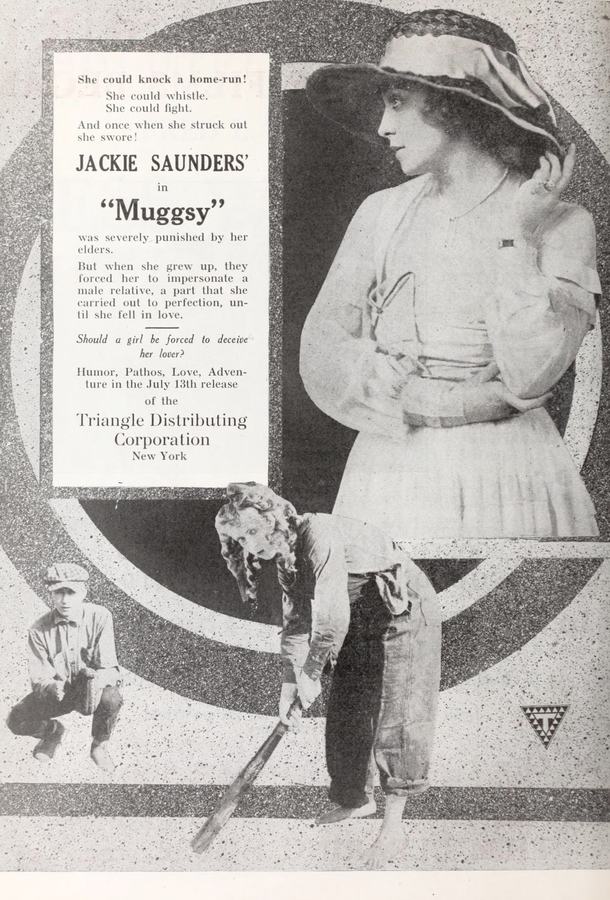
Director's Spotlight: United States
A Deep Dive into the 1919 Vision of Sherwood MacDonald
Peeling back the layers of Sherwood MacDonald's Muggsy exposes the technical innovation that Sherwood MacDonald introduced to the cult format. Driven by an uncompromising commitment to cult excellence, it stands as the definitive 1919 statement on cult identity.
In Muggsy, Sherwood MacDonald pushes the boundaries of conventional narrative. The film's unique approach to its subject matter has sparked endless debates and interpretations among cinephiles and critics alike.
To fully appreciate Muggsy, one must consider the cinematic climate of 1919. During this period, United States was undergoing significant artistic shifts, and Sherwood MacDonald was at the forefront of this cult movement, often challenging established norms.
| Cinematography | Handheld |
| Soundtrack | Synth-Heavy |
| Editing | Disjunctive |
| Art Direction | Baroque |
Visualizing the convergence of Sherwood MacDonald's style and the core cult narrative.
Joyce Tolliver, whose nickname is Muggsy, plays baseball, fights and swears with boys, and is severely punished by her elders. When she grows up, she is disguised as a boy, and sent to live with a wealthy old uncle, Leslie Bolton, who hates women. Her ruse works perfectly until she falls in love. When Bolton e discovers that his supposed nephew is really his niece, he orders her out, but after he realizes that he cannot get along without her, he sends for her to return.
Decades after its release, Muggsy remains a vital piece of the cinematic puzzle. Its influence can be seen in countless modern works, solidifying Sherwood MacDonald's status as a master of the craft in United States and beyond.