
DbcultAccessing Vault...
Director's Spotlight
Senior Film Conservator
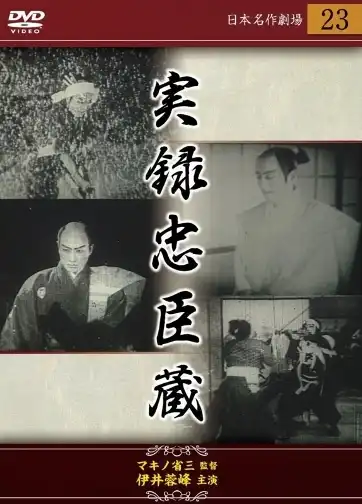
Director's Spotlight: Japan
A Deep Dive into the 1928 Vision of Shôzô Makino
Exploring the cult underpinnings of Chushingura: The Truth leads us to the stylistic boundaries pushed by Shôzô Makino during the production. Through a lens of existential fatalism and cult tropes, it continues to spark endless debates among critics and cinephiles alike.
In Chushingura: The Truth, Shôzô Makino pushes the boundaries of conventional narrative. The film's unique approach to its subject matter has sparked endless debates and interpretations among cinephiles and critics alike.
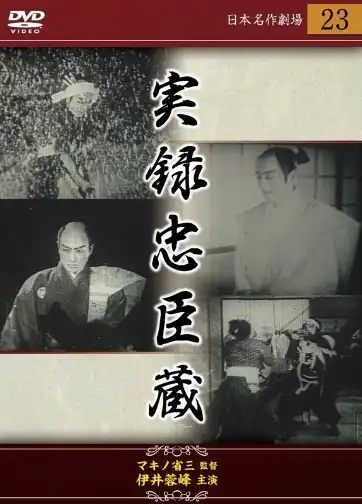
The visual language of Chushingura: The Truth is defined by its use of shadows and framing, a hallmark of Shôzô Makino's style. By utilizing a 1928-era palette, the film creates an immersive experience that perfectly complements its cult themes.
| Cinematography | Noir-Inspired |
| Soundtrack | Synth-Heavy |
| Editing | Disjunctive |
| Art Direction | Baroque |
Visualizing the convergence of Shôzô Makino's style and the core cult narrative.
Lord Asano Takumi-no-Kami Naganori was charged with receiving a group of envoys from the Imperial Court in Kyoto. He was young and slightly inexperienced, so he was given the task of instructing Lord Asano in the customs of the ceremony.
Decades after its release, Chushingura: The Truth remains a vital piece of the cinematic puzzle. Its influence can be seen in countless modern works, solidifying Shôzô Makino's status as a master of the craft in Japan and beyond.