
DbcultAccessing Vault...
Director's Spotlight
Senior Film Conservator
Director's Spotlight: United States
A Deep Dive into the 1919 Vision of Sidney Drew
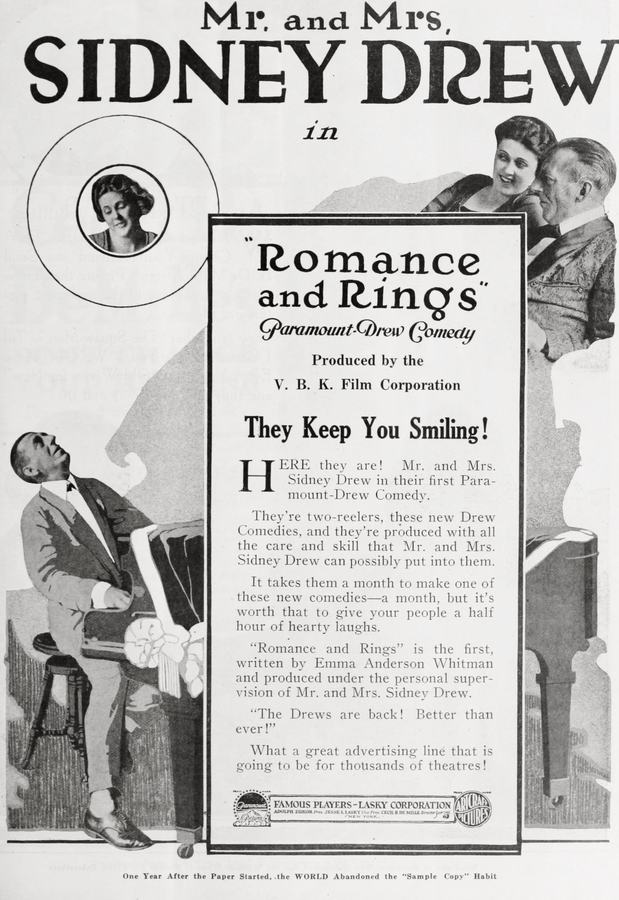
The 1919 release of Romance and Rings marked a significant moment for the enduring legacy of Sidney Drew's artistic contribution to the genre. By challenging the status quo of 1919 cinema, it has cemented its place in the global cult cinema archive.
In Romance and Rings, Sidney Drew pushes the boundaries of conventional narrative. The film's unique approach to its subject matter has sparked endless debates and interpretations among cinephiles and critics alike.
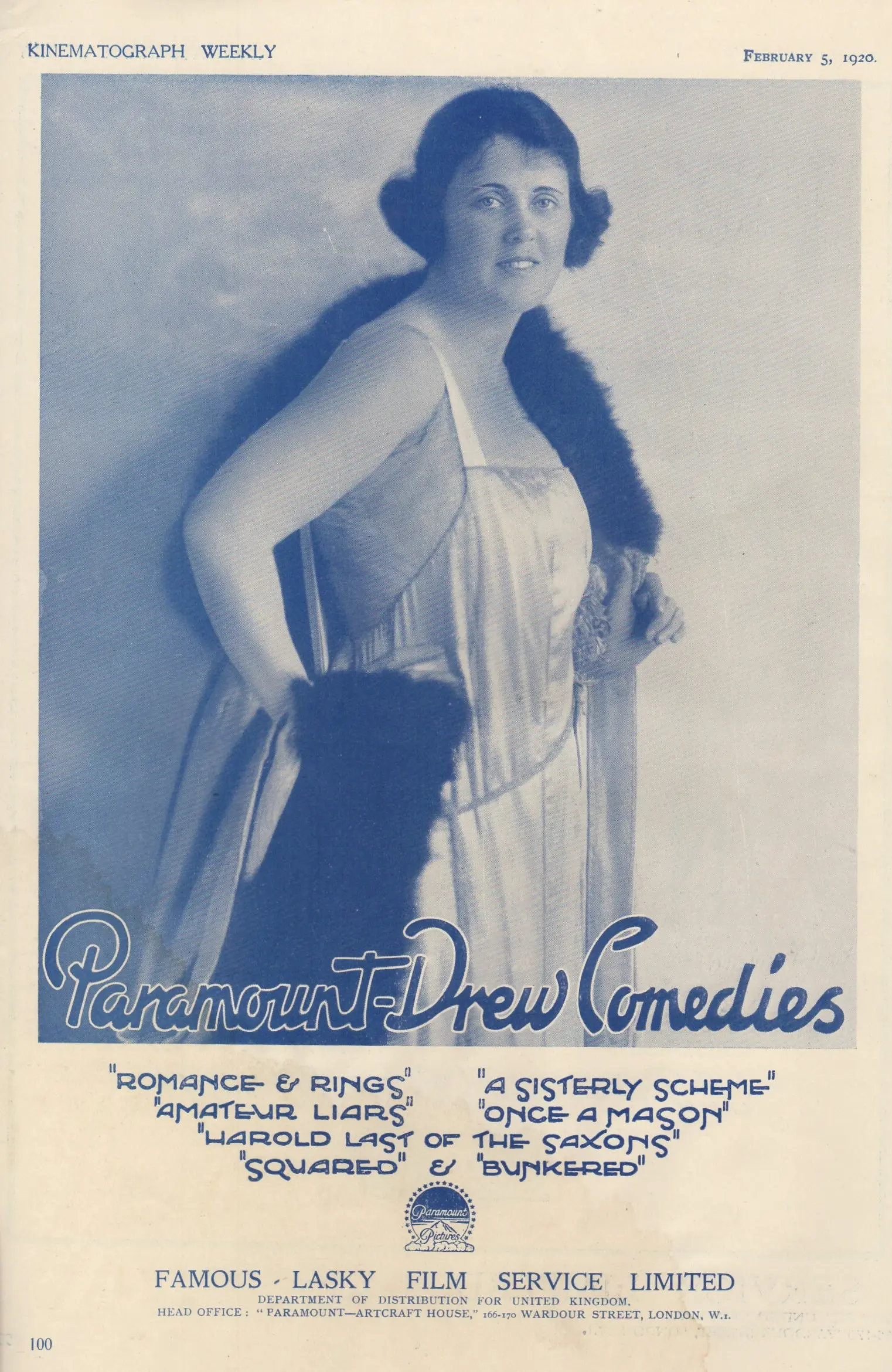
The visual language of Romance and Rings is defined by its use of shadows and framing, a hallmark of Sidney Drew's style. By utilizing a 1919-era palette, the film creates an immersive experience that perfectly complements its cult themes.
| Cinematography | Handheld |
| Soundtrack | Experimental |
| Editing | Invisible |
| Art Direction | Kitsch |
Visualizing the convergence of Sidney Drew's style and the core cult narrative.
At the wedding of Henry and Polly, Henry, with characteristic forgetfulness, discovers at the last moment that he has left the wedding ring behind, but his old friend, Jimmy Teasdale, comes to the rescue and prevails upon his wife to loan hers for the occasion. But when the ring is placed on Polly's finger it is there for keeps, and the efforts of Henry and Jimmy to placate Mrs. Teasdale and at the same time keep Polly in ignorance of her husband's neglect are productive of much merriment.
Decades after its release, Romance and Rings remains a vital piece of the cinematic puzzle. Its influence can be seen in countless modern works, solidifying Sidney Drew's status as a master of the craft in United States and beyond.