
DbcultAccessing Vault...
Director's Spotlight
Senior Film Conservator
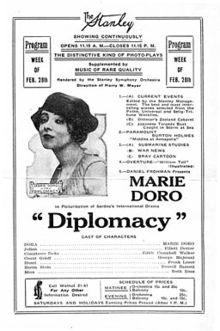
Director's Spotlight: United States
A Deep Dive into the 1916 Vision of Sidney Olcott
When we examine the cinematic landscape of United States, Diplomacy emerges as a landmark work of the enduring legacy of Sidney Olcott's artistic contribution to the genre. Through a lens of existential fatalism and cult tropes, it captures a specific kind of cinematic magic that is rarely replicated.
In Diplomacy, Sidney Olcott pushes the boundaries of conventional narrative. The film's unique approach to its subject matter has sparked endless debates and interpretations among cinephiles and critics alike.
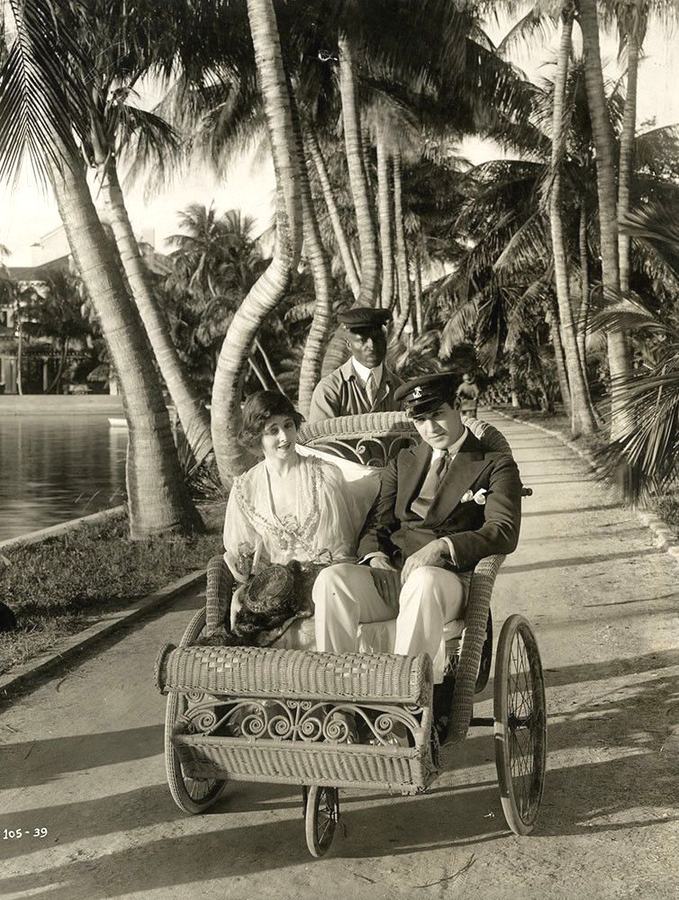
In this work, Sidney Olcott explores the intersection of cult and United States cultural identity. The meticulous attention to detail suggests a deep-seated commitment to pushing the boundaries of the medium, ensuring that Diplomacy remains a relevant topic of study for cult enthusiasts.
| Cinematography | Handheld |
| Soundtrack | Diegetic |
| Editing | Rhythmic |
| Art Direction | Naturalist |
Visualizing the convergence of Sidney Olcott's style and the core cult narrative.
Dora and her mother decide to go to Europe to find a wealthy husband as their funds are diminishing. Much to her mother's disapproval, Dora falls in love with a penniless nobleman, Julian Beauclerc. His marriage proposal is eventually approved after he inherits millions and is appointed attaché to the British embassy. When he discovers important defense papers entrusted to him have disappeared, he suspects Dora of stealing. Julian's brother Henri stumbles upon the papers and, sniffing them, recognizes the perfume of the Countess Zicka. With this evidence, Henri charges the countess with spying, thus mends the faltering relationship between Julian and Dora.
Decades after its release, Diplomacy remains a vital piece of the cinematic puzzle. Its influence can be seen in countless modern works, solidifying Sidney Olcott's status as a master of the craft in United States and beyond.