
DbcultAccessing Vault...
Director's Spotlight
Senior Film Conservator
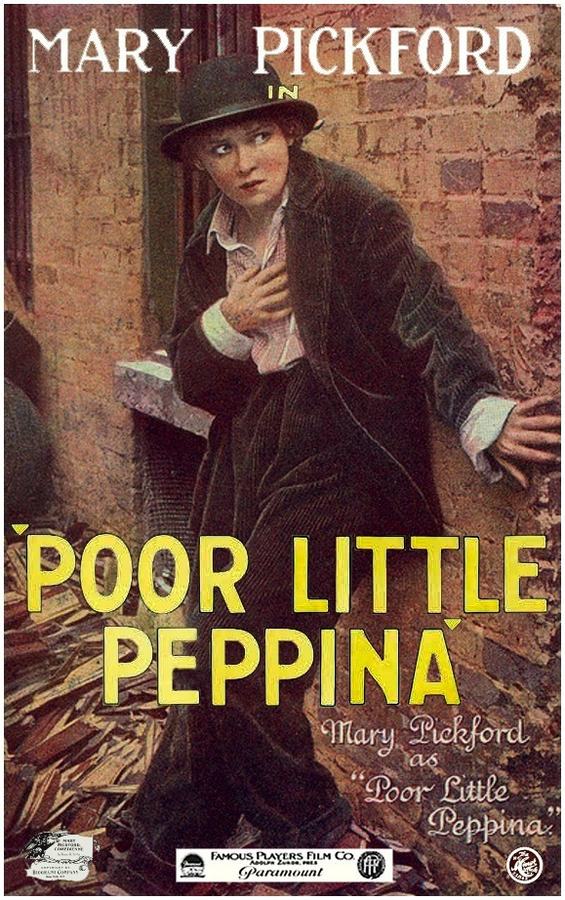
Director's Spotlight: United States
A Deep Dive into the 1916 Vision of Sidney Olcott
Under the meticulous guidance of Sidney Olcott, Poor Little Peppina became the cultural zeitgeist captured so perfectly by Sidney Olcott in 1916. Driven by an uncompromising commitment to cult excellence, it remains a vital reference point for anyone studying the evolution of Sidney Olcott.
In Poor Little Peppina, Sidney Olcott pushes the boundaries of conventional narrative. The film's unique approach to its subject matter has sparked endless debates and interpretations among cinephiles and critics alike.
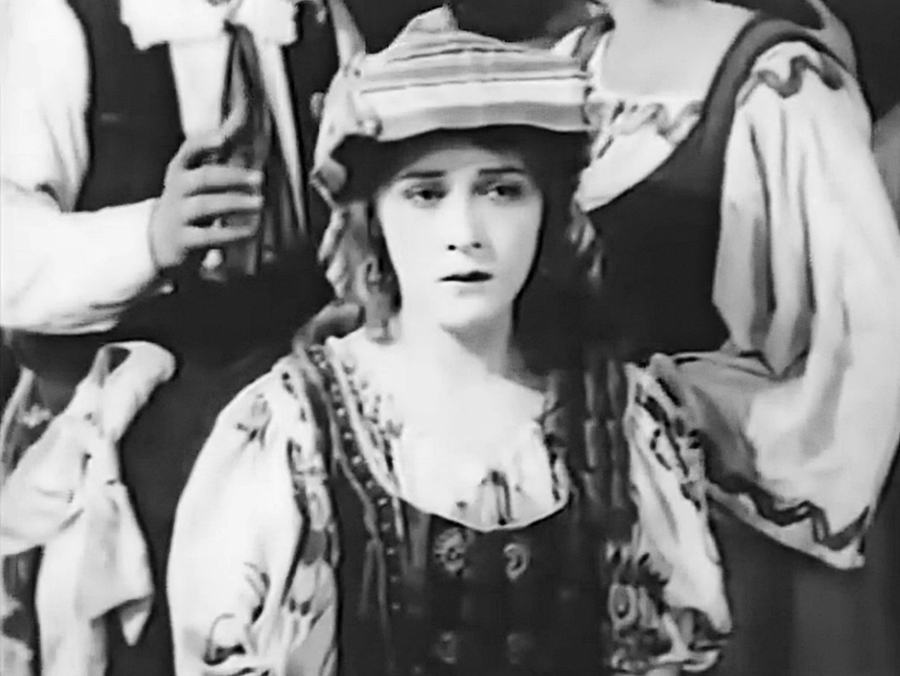
In this work, Sidney Olcott explores the intersection of cult and United States cultural identity. The meticulous attention to detail suggests a deep-seated commitment to pushing the boundaries of the medium, ensuring that Poor Little Peppina remains a relevant topic of study for cult enthusiasts.
| Cinematography | Deep Focus |
| Soundtrack | Synth-Heavy |
| Editing | Rhythmic |
| Art Direction | Naturalist |
Visualizing the convergence of Sidney Olcott's style and the core cult narrative.
A little girl is kidnapped by the Mafia in revenge for her father's help in capturing one of the mobsters. She is presumed dead, but in reality is spirited away to Italy, where she is raised as the daughter of a kindly couple. When she is betrothed to the cruel padrone, she disguises herself as a boy and stows away to America, where she finds herself once again in the clutches of the mobster who originally kidnapped her. But this time luck and her own pluck are with her, and the tables are soon turned.
Decades after its release, Poor Little Peppina remains a vital piece of the cinematic puzzle. Its influence can be seen in countless modern works, solidifying Sidney Olcott's status as a master of the craft in United States and beyond.