
DbcultAccessing Vault...
Director's Spotlight
Senior Film Conservator
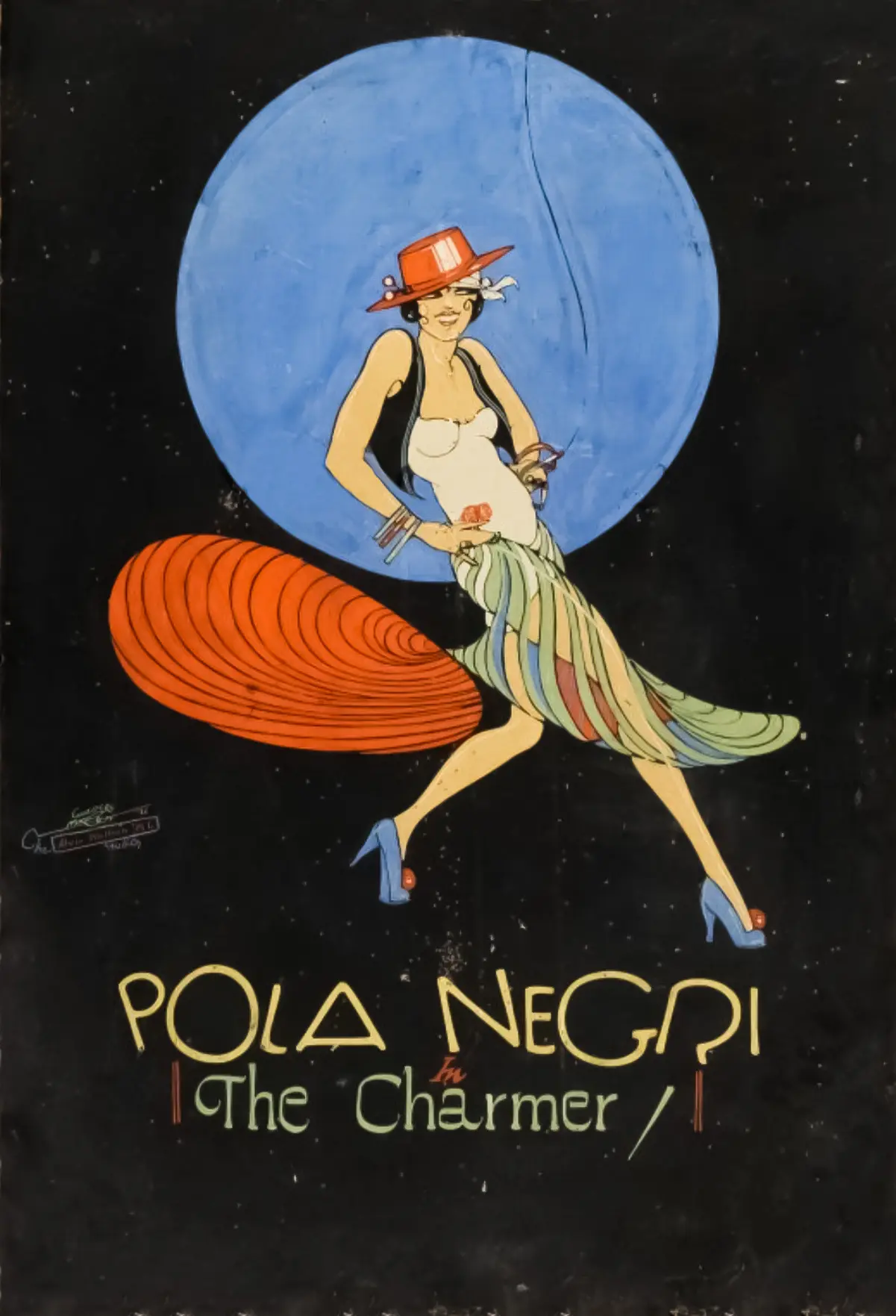
Director's Spotlight: United States
A Deep Dive into the 1925 Vision of Sidney Olcott
Exploring the Drama underpinnings of The Charmer leads us to the stylistic boundaries pushed by Sidney Olcott during the production. Through a lens of existential fatalism and Drama tropes, it continues to spark endless debates among critics and cinephiles alike.
In The Charmer, Sidney Olcott pushes the boundaries of conventional narrative. The film's unique approach to its subject matter has sparked endless debates and interpretations among cinephiles and critics alike.
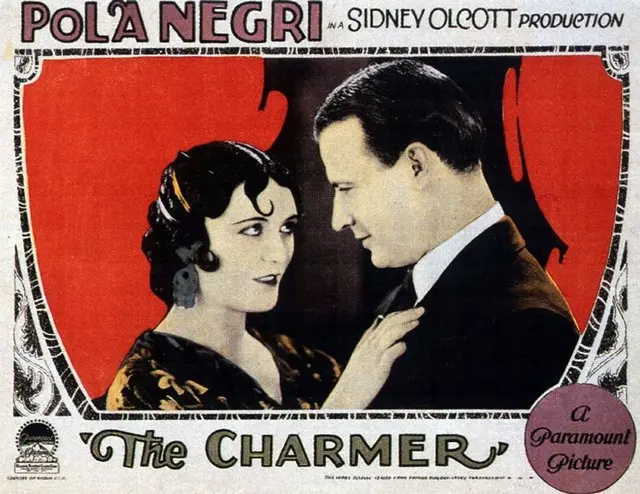
To fully appreciate The Charmer, one must consider the cinematic climate of 1925. During this period, United States was undergoing significant artistic shifts, and Sidney Olcott was at the forefront of this Drama movement, often challenging established norms.
| Cinematography | Static |
| Soundtrack | Synth-Heavy |
| Editing | Disjunctive |
| Art Direction | Baroque |
Visualizing the convergence of Sidney Olcott's style and the core Drama narrative.
Mariposa, a wild dancer in a cheap Seville cafe, is taken to New York by Señor Sprott, a prominent theatrical producer. Billed as "The Charmer," Mariposa becomes the toast of two continents. Among her most ardent admirers are millionaire playboy Ralph Bayne and his chauffeur Dan Murray, who both first met her in Spain. Madly in love with Bayne, Mrs. Sedgwick invites Mariposa and her mother to a weekend party in a deliberate attempt to humiliate the beautiful dancer. Bayne quickly realizes that Mariposa is out of place in high society, and, determining to make her his mistress, takes her home with him. Mrs. Sedgwick unexpectedly arrives at Bayne's swank suite (followed by her suspicious husband), and Mariposa protects the society woman's reputation at the cost of her own. Murray arrives and attempts at gunpoint to force Bayne to marry Mariposa, but Mariposa objects and declares her intention of marrying Murray instead.
Decades after its release, The Charmer remains a vital piece of the cinematic puzzle. Its influence can be seen in countless modern works, solidifying Sidney Olcott's status as a master of the craft in United States and beyond.