
DbcultAccessing Vault...
Director's Spotlight
Senior Film Conservator
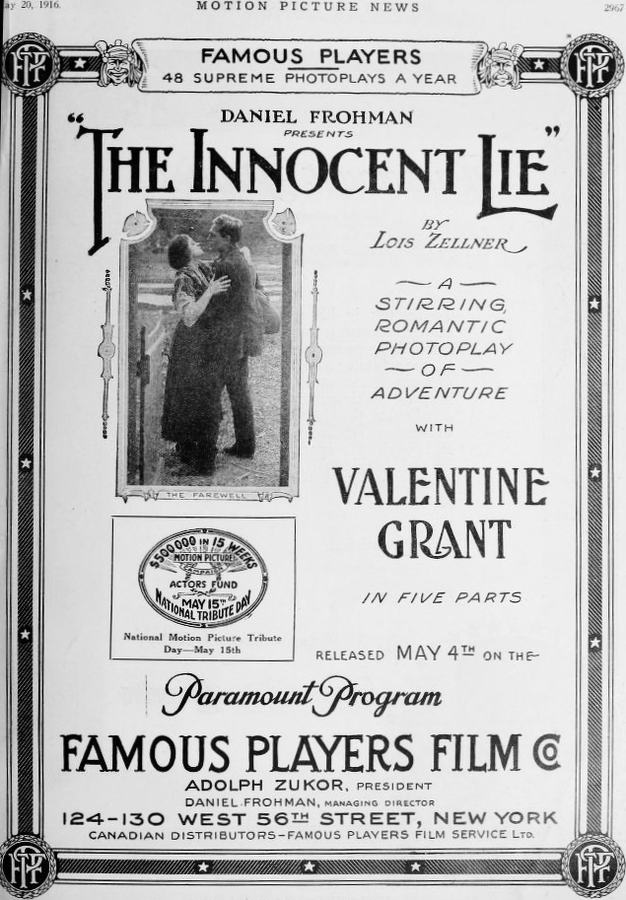
Director's Spotlight: United States
A Deep Dive into the 1916 Vision of Sidney Olcott
Peeling back the layers of Sidney Olcott's The Innocent Lie exposes the technical innovation that Sidney Olcott introduced to the cult format. Driven by an uncompromising commitment to cult excellence, it stands as the definitive 1916 statement on cult identity.
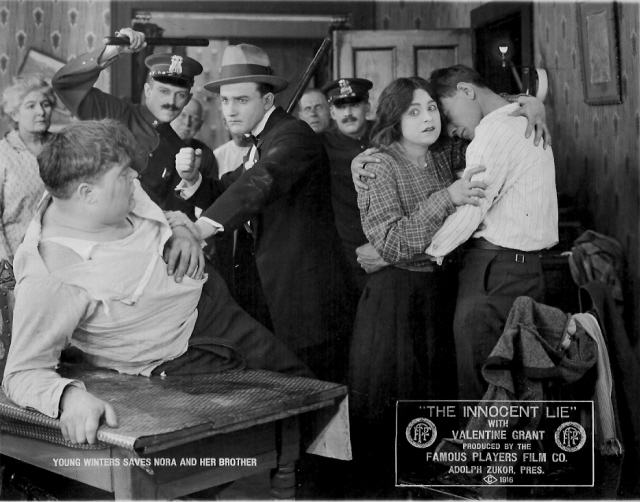
In The Innocent Lie, Sidney Olcott pushes the boundaries of conventional narrative. The film's unique approach to its subject matter has sparked endless debates and interpretations among cinephiles and critics alike.
| Cinematography | High-Contrast |
| Soundtrack | Minimalist |
| Editing | Slow-Burn |
| Art Direction | Brutalist |
Visualizing the convergence of Sidney Olcott's style and the core cult narrative.
Nora O'Brien leaves Ireland to visit her brother in America. On the trip she suffers a concussion, and soon is mistaken for another Irish girl named Nora who is on her way to visit her aunt in the US, Mrs. Watson, who has not seen her niece in many years. Nora, still somewhat dazed from her injury, is taken to the Watsons' home, and when Mrs. Watson's son Jack returns from college, he falls in love with her but cannot express it to her because he believes she is his cousin. Complications ensue.
Decades after its release, The Innocent Lie remains a vital piece of the cinematic puzzle. Its influence can be seen in countless modern works, solidifying Sidney Olcott's status as a master of the craft in United States and beyond.