
DbcultAccessing Vault...
Director's Spotlight
Senior Film Conservator
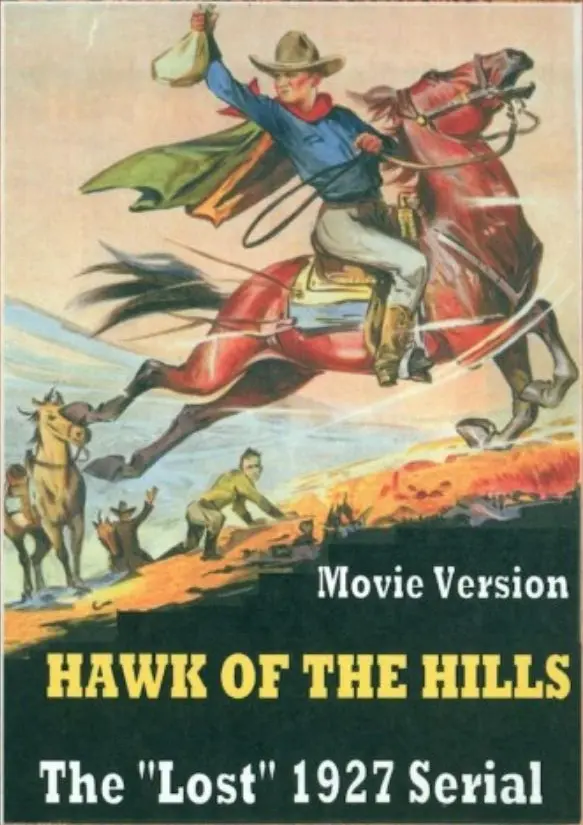
Director's Spotlight: United States
A Deep Dive into the 1927 Vision of Spencer Gordon Bennet
Few works in United States cinema carry the same weight as Hawk of the Hills, especially regarding the technical innovation that Spencer Gordon Bennet introduced to the Action format. Subverting the expectations of the typical 1927 audience, it bridges the gap between traditional Action and contemporary vision.
In Hawk of the Hills, Spencer Gordon Bennet pushes the boundaries of conventional narrative. The film's unique approach to its subject matter has sparked endless debates and interpretations among cinephiles and critics alike.
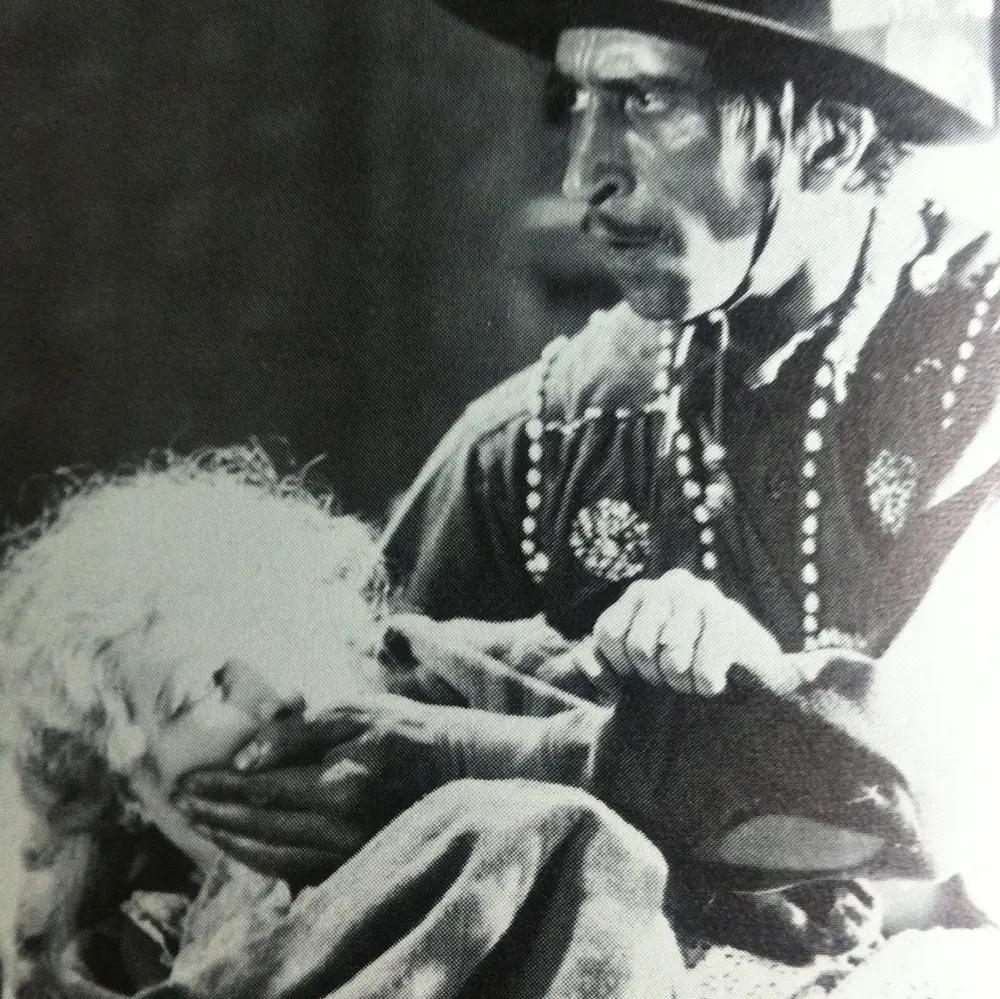
The visual language of Hawk of the Hills is defined by its use of shadows and framing, a hallmark of Spencer Gordon Bennet's style. By utilizing a 1927-era palette, the film creates an immersive experience that perfectly complements its Action themes.
| Cinematography | Handheld |
| Soundtrack | Minimalist |
| Editing | Disjunctive |
| Art Direction | Baroque |
Visualizing the convergence of Spencer Gordon Bennet's style and the core Action narrative.
Newhall, California. A band of renegade Indians led by the half-breed "The Hawk" terrorizes prospectors in a valley. When the old prospector Clyde Selby hits the mother lode, The Hawk plans to kidnap his pretty blond daughter Mary Selby. This kidnapping actually proves one of the lesser of the perils faced by the poor Mary. Laramie, a government agent, wants with the help of his friendly Shoshone Indian friends to extricate Mary.
Decades after its release, Hawk of the Hills remains a vital piece of the cinematic puzzle. Its influence can be seen in countless modern works, solidifying Spencer Gordon Bennet's status as a master of the craft in United States and beyond.