
DbcultAccessing Vault...
Director's Spotlight
Senior Film Conservator
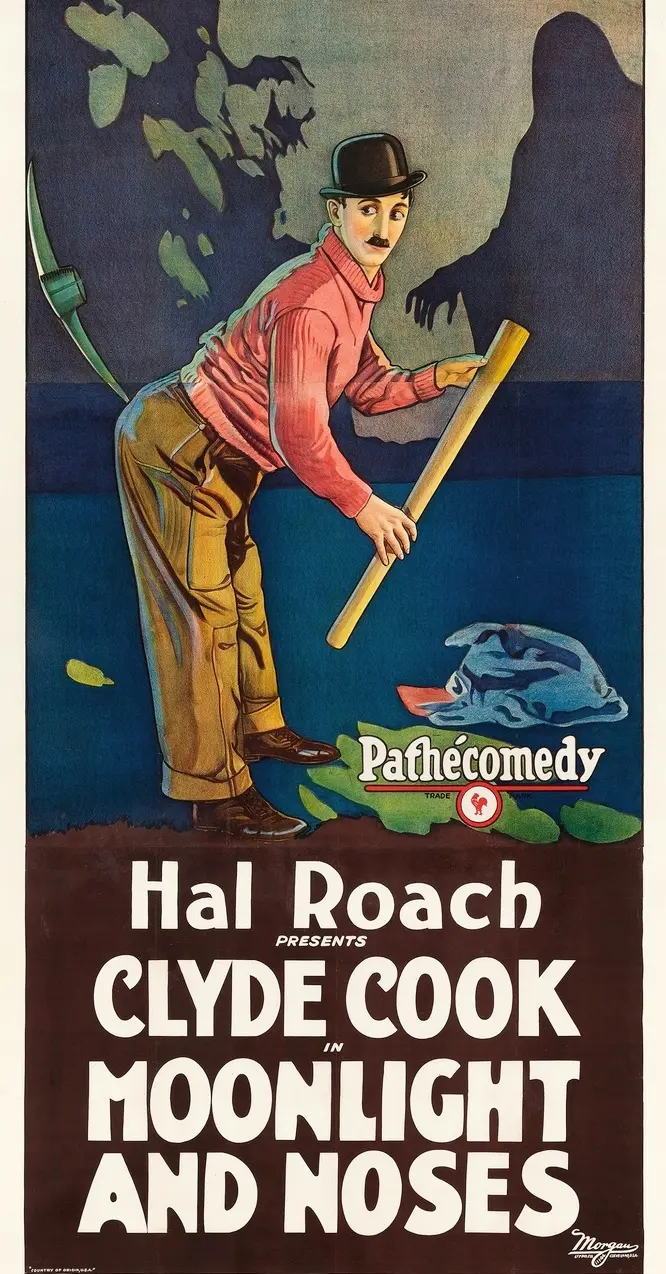
Director's Spotlight: United States
A Deep Dive into the 1925 Vision of Stan Laurel
In the grand tapestry of Short cinema, Moonlight and Noses serves as a bridge between the philosophical inquiries that Stan Laurel embeds within the narrative. Melding the raw energy of United States with a global Short appeal, it invites us to question our own perceptions of Short narratives.
In Moonlight and Noses, Stan Laurel pushes the boundaries of conventional narrative. The film's unique approach to its subject matter has sparked endless debates and interpretations among cinephiles and critics alike.
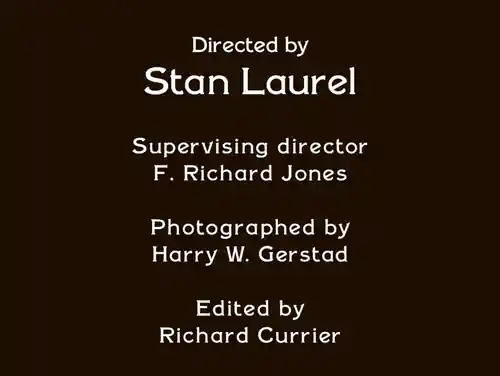
While deeply rooted in United States, Moonlight and Noses has achieved a global reach, influencing directors from various backgrounds. Its ability to translate Short tropes into a universal cinematic language is why it remains a cult staple decades after its 1925 release.
| Cinematography | Handheld |
| Soundtrack | Experimental |
| Editing | Invisible |
| Art Direction | Kitsch |
Visualizing the convergence of Stan Laurel's style and the core Short narrative.
An eccentric doctor captures two burglars who enter his house. He promises them freedom and a reward of $1,000 if they will go to the cemetery and obtain for him the body of a man whom the doctor contends died of water on the brain. They agree. A suitor for the hand of the doctor's daughter, who has been forbidden to enter the house, passes himself off as a corpse and is carried to the doctor. The suitor escapes and, in order to obtain the reward, Cook is forced to act as the "body." An attempt to carve him up leads to the greatest activity on the part of the "body" to escape the knives and saws of the doctor.
Decades after its release, Moonlight and Noses remains a vital piece of the cinematic puzzle. Its influence can be seen in countless modern works, solidifying Stan Laurel's status as a master of the craft in United States and beyond.