
DbcultAccessing Vault...
Director's Spotlight
Senior Film Conservator
Director's Spotlight: United States
A Deep Dive into the 1926 Vision of Stephen Roberts
In the grand tapestry of Comedy cinema, Kiss Papa serves as a bridge between the bold experimentation that has become synonymous with Stephen Roberts. Breaking the traditional rules of Comedy engagement, it highlights the importance of independent voices in United States.
In Kiss Papa, Stephen Roberts pushes the boundaries of conventional narrative. The film's unique approach to its subject matter has sparked endless debates and interpretations among cinephiles and critics alike.
The visual language of Kiss Papa is defined by its use of shadows and framing, a hallmark of Stephen Roberts's style. By utilizing a 1926-era palette, the film creates an immersive experience that perfectly complements its Comedy themes.
| Cinematography | Handheld |
| Soundtrack | Diegetic |
| Editing | Rhythmic |
| Art Direction | Naturalist |
Visualizing the convergence of Stephen Roberts's style and the core Comedy narrative.
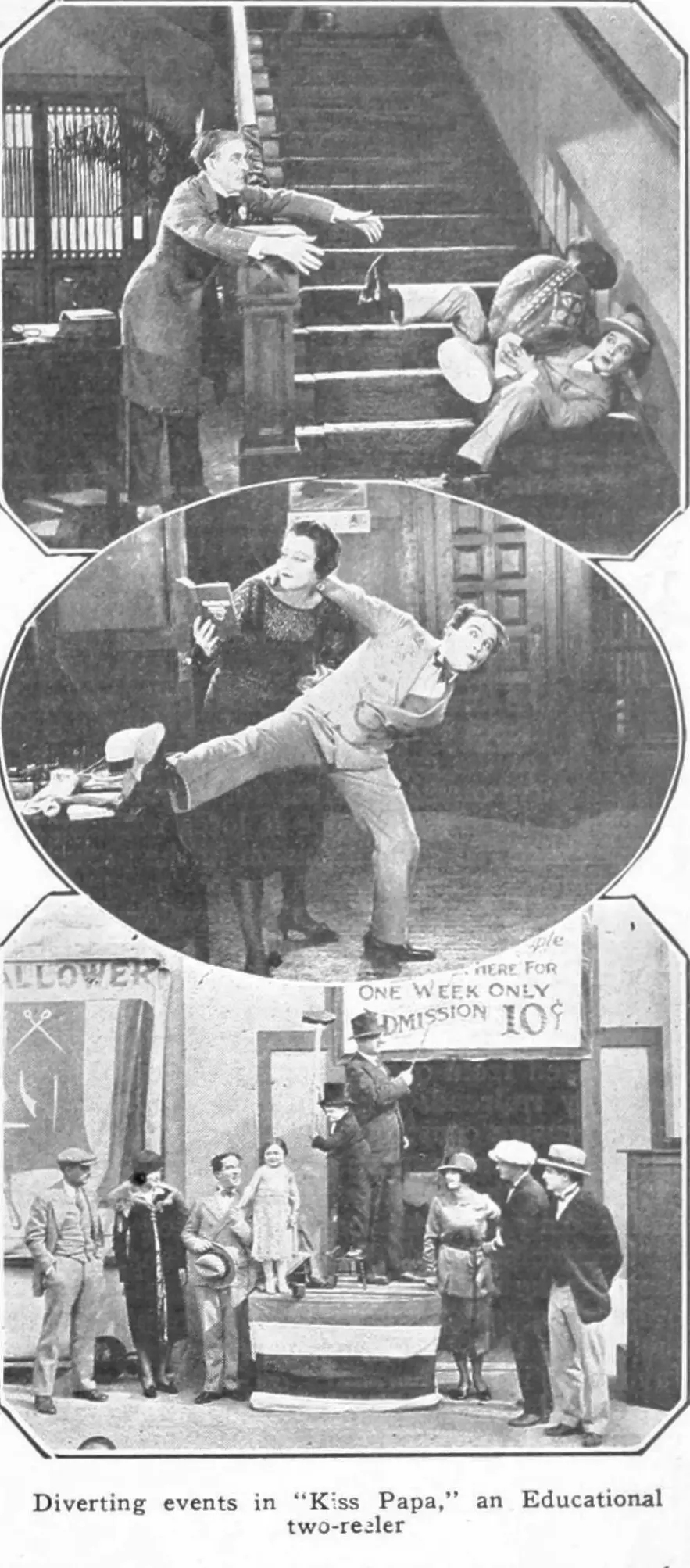
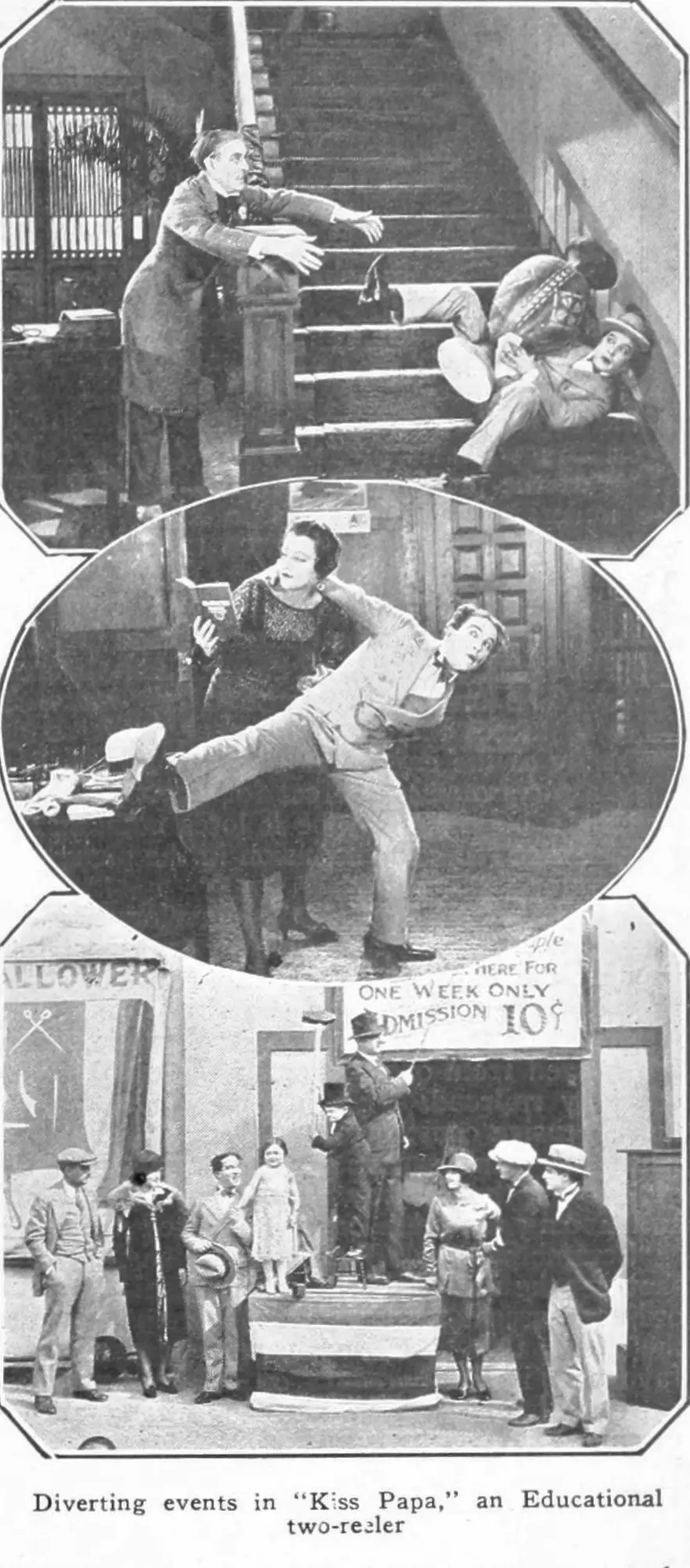
Lige and Estelle have been married three years and the novelty is wearing off. They are about to separate when Lige gets a telegram from the attorneys of his late uncle, saying that a representative is on the way, and if he finds Lige and Estelle happily married, Lige will inherit a huge fortune. Lige can't find Estelle and he gets Nita, the neighbor's wife, to be his temporary wife, and a midget from the circus to be their baby. Estelle has also gotten the telegram, so he gets neighbor Clem for her husband and, also, another circus midget as the baby. The attorney arrives and all concerned are together in the same room. Confusion follows.
Decades after its release, Kiss Papa remains a vital piece of the cinematic puzzle. Its influence can be seen in countless modern works, solidifying Stephen Roberts's status as a master of the craft in United States and beyond.