
DbcultAccessing Vault...
Director's Spotlight
Senior Film Conservator
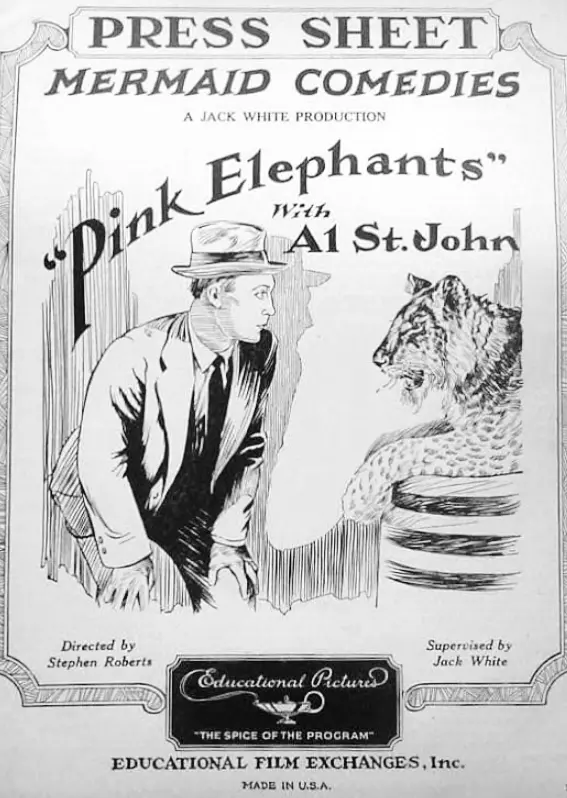
Director's Spotlight: United States
A Deep Dive into the 1926 Vision of Stephen Roberts
Exploring the Romance underpinnings of Pink Elephants leads us to the uncompromising vision of Stephen Roberts that defines this Romance masterpiece. Melding the raw energy of United States with a global Romance appeal, it echoes the profound changes occurring in United States during that era.
In Pink Elephants, Stephen Roberts pushes the boundaries of conventional narrative. The film's unique approach to its subject matter has sparked endless debates and interpretations among cinephiles and critics alike.
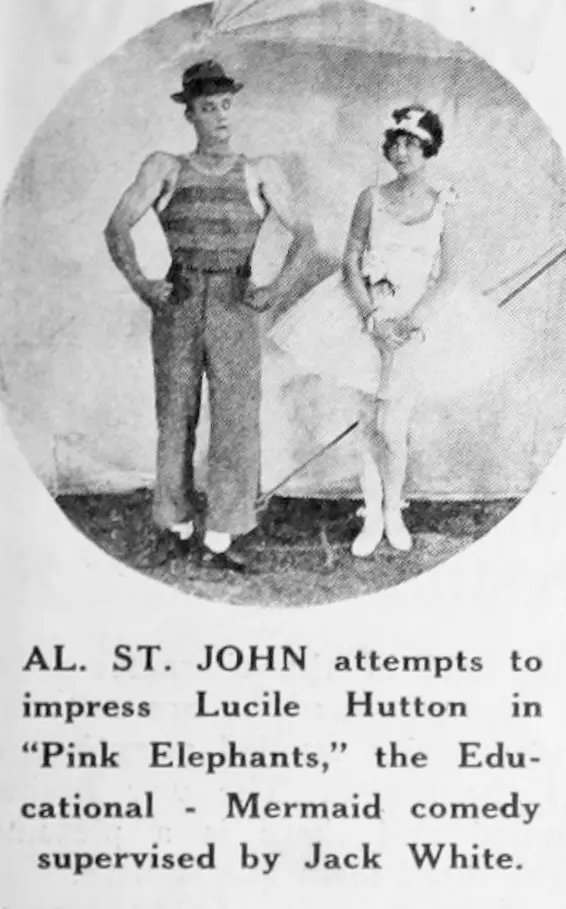
While deeply rooted in United States, Pink Elephants has achieved a global reach, influencing directors from various backgrounds. Its ability to translate Romance tropes into a universal cinematic language is why it remains a cult staple decades after its 1926 release.
| Cinematography | High-Contrast |
| Soundtrack | Minimalist |
| Editing | Slow-Burn |
| Art Direction | Brutalist |
Visualizing the convergence of Stephen Roberts's style and the core Romance narrative.
Al is the circus ticket-seller, and the former ticket-seller, Phil, and the villainous ring-master are planning to get him into trouble. Al is in love with Lucille, the beautiful bare-back rider and so is the ringmaster. The latter and Phil dress in lion skins to scare Al, but a real lion has escaped. Al and "Moonlight," the circus handyman, try to escape. Al tries to rescue Lucille on a bicycle, but Lucille falls off and the real lion joins Al on the bicycle.
Decades after its release, Pink Elephants remains a vital piece of the cinematic puzzle. Its influence can be seen in countless modern works, solidifying Stephen Roberts's status as a master of the craft in United States and beyond.