
DbcultAccessing Vault...
Director's Spotlight
Senior Film Conservator
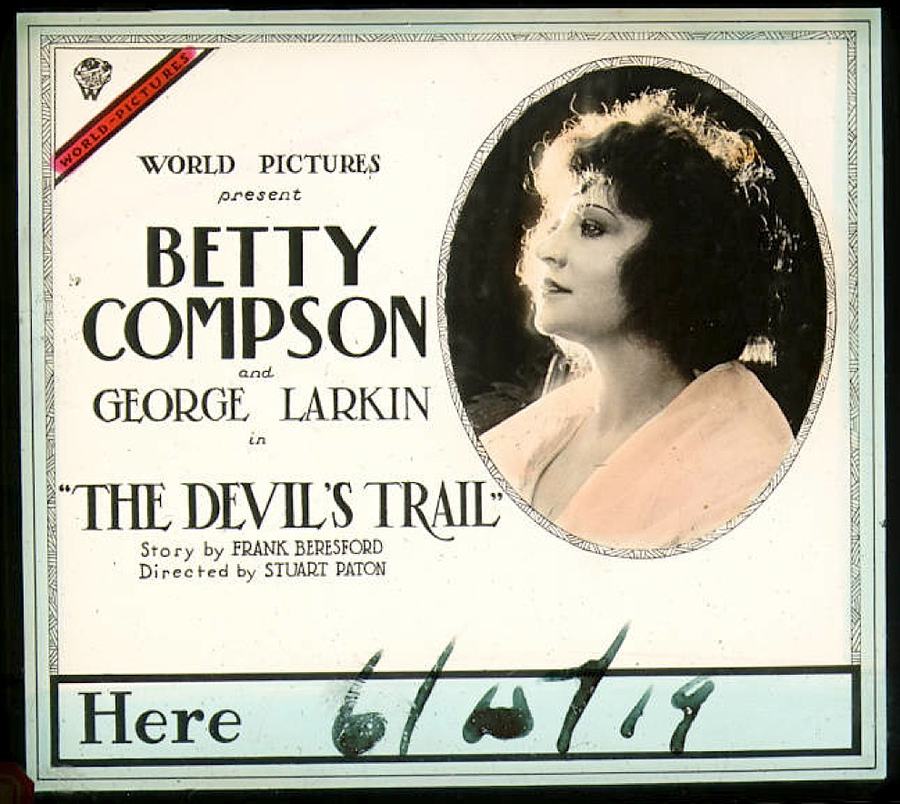
Director's Spotlight: United States
A Deep Dive into the 1919 Vision of Stuart Paton
The thematic gravity of The Devil's Trail (1919) is rooted in the artistic risks taken by Stuart Paton that eventually paid off. Defining a new era of United States artistic expression, it demands to be seen by anyone who cares about the art of film.
In The Devil's Trail, Stuart Paton pushes the boundaries of conventional narrative. The film's unique approach to its subject matter has sparked endless debates and interpretations among cinephiles and critics alike.
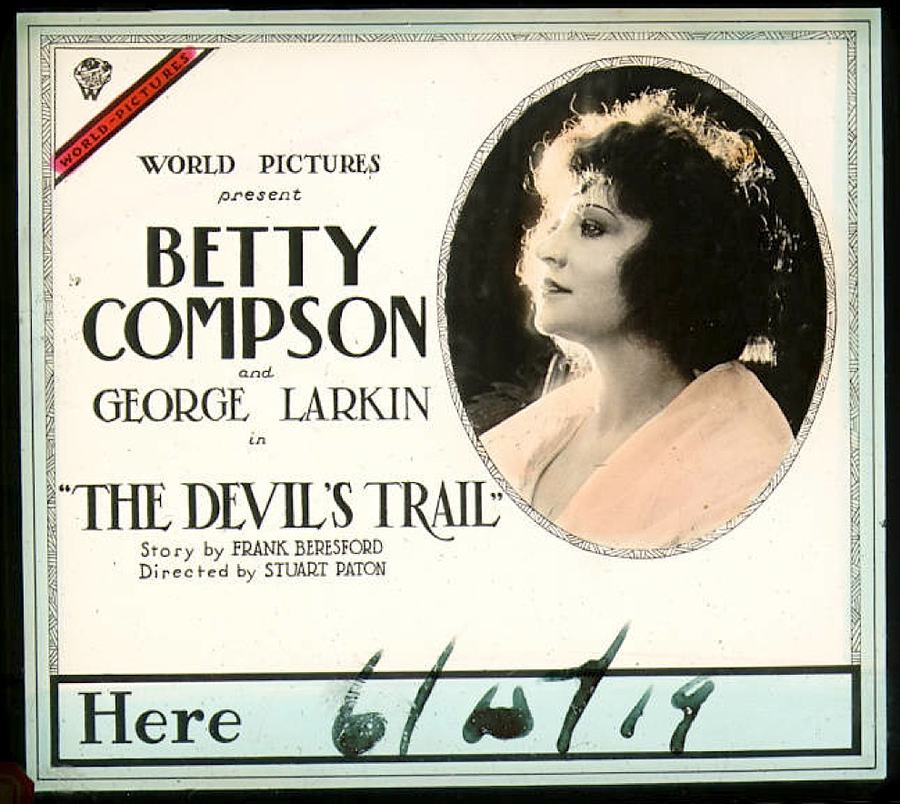
In this work, Stuart Paton explores the intersection of cult and United States cultural identity. The meticulous attention to detail suggests a deep-seated commitment to pushing the boundaries of the medium, ensuring that The Devil's Trail remains a relevant topic of study for cult enthusiasts.
| Cinematography | Static |
| Soundtrack | Orchestral |
| Editing | Invisible |
| Art Direction | Kitsch |
Visualizing the convergence of Stuart Paton's style and the core cult narrative.
Whiskey smuggler Dubec, trades liquor to the Indians, takes revenge on the Royal North West Mounted Police pursuing him by killing the wife of post commander Sergeant Delisle and abducting his teen-aged daughter Nonette. After twelve years of futile searches, the eighteenth birthday celebration of Delisle's other daughter Julie is disrupted when Sergeant MacNair arrives to replace Delisle because Delisle cannot control the lawlessness in the camp. MacNair falls in love with Julie though she scorns him. When Dubec and Nonette, now his wife, return from the Klondike with a dance hall troupe of women, Delisle, not recognizing Dubec but resenting his flirtations with Julie, orders them to leave. Dubec captures Julie and MacNair, forcing Julie to dance, and offers her to the highest bidder. MacNair saves her just as Delisle, warned by Nonette of Dubec, arrives. Nonette is reunited with her father, and MacNair and Julie, now in love, embrace.
Decades after its release, The Devil's Trail remains a vital piece of the cinematic puzzle. Its influence can be seen in countless modern works, solidifying Stuart Paton's status as a master of the craft in United States and beyond.